Full name: Santa Gertrudis
Founding date: July 15, 1752 Mission #15
Catholic Order: Jesuit
Founded by: Padre Georg Retz
Condition: Stone church construction completed in 1796
Closing date: Closed in 1822
GPS: 28.051117, -113.085325
Access: Mex. #1 Km. 189 (north of Santa Rosalia), east 47 miles.
Read more: CLICK HERE
>>To see where Mission Santa Gertrudis is, see maps and directions at bottom of page<<
This mission has a unique and sometimes confused history as it had originally been planned to be named Dolores del Norte. That name appeared on Jesuit records and maps of the early to mid 1700s. Padre Fernando Consag (of Mission San Ignacio, 1733-1759) was responsible for the first baptisms recorded for Dolores del Norte, a mission that only existed on paper. After Consag’s second expedition, in May 1751, and not finding a better mission location, the oasis here (that he named La Piedad) was chosen. Consag, with help from from a highly skilled, but blind Cochimí named Andrés Comanají (who liked to be called ‘Sistiaga’ for his affection of the Jesuit he once served, at Mulegé), began building at La Piedad.
To be a true mission, the chosen location had to have a financial sponsor and a full-time priest. The funds came from the Marqués de Villapuente, who had sponsored Mission San José del Cabo. When the Jesuits closed that mission, in 1748, the funds were soon made available. In honor of the marqués wishes, the mission would be named for his wife, Gertrudis. A Jesuit, Padre Georg Retz, was available following many months training and learning the Native tongue at San Ignacio. Retz arrived at La Piedad on July 15, 1752 to open the new mission of Santa Gertrudis.
2017 photos by David Kier
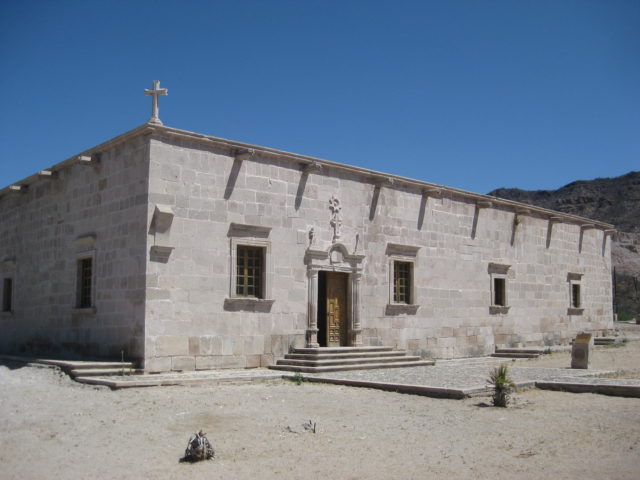


2012 photos by David Kier


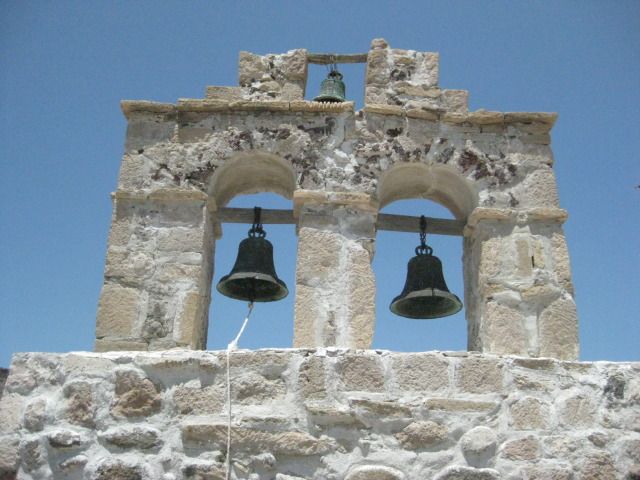

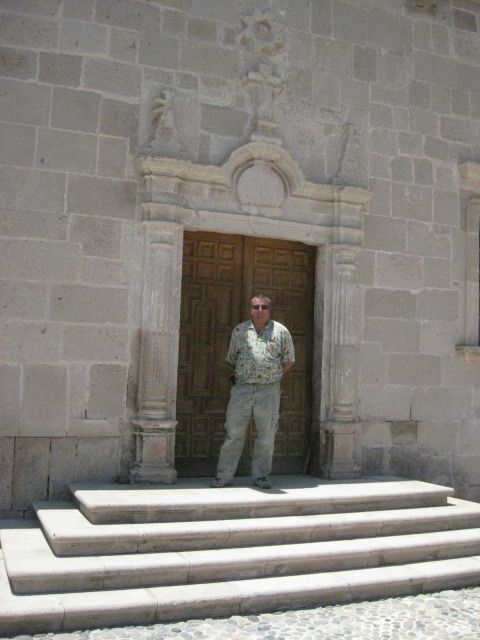


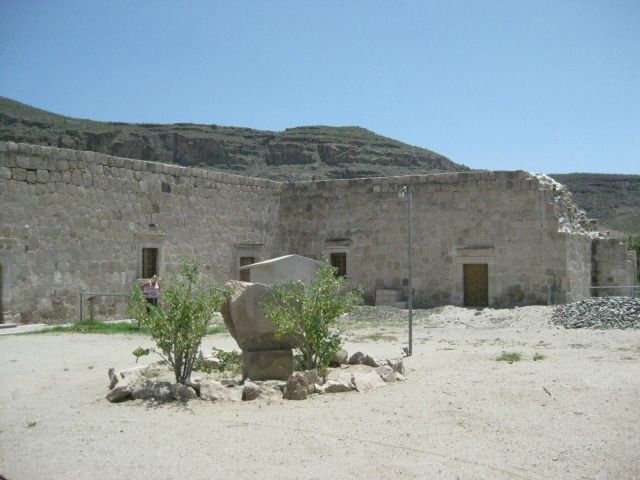
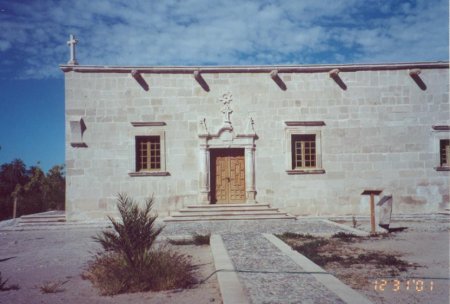
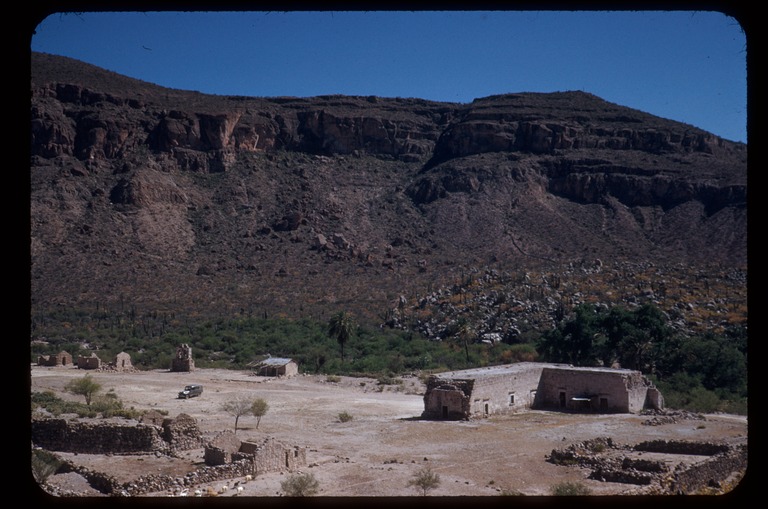
The mission church was locked and there seemed to be nobody in the village. A Mexican family with their SUV was parked at the oasis having lunch as we drove by. I guessed them to be visitors, as well. I took lots of photos of the stone church, and its unique separate bell tower. The present church was completed by the Dominicans in 1796. The Franciscans were here 5 years, before moving on to Alta California in 1773. The mission founding Jesuits were here until 1768, when the king of Spain ordered them all removed from New Spain. This mission was planned at least as far back as 1744 to be called Dolores del Norte, but when funds were available in 1748 with the closing of Mission San Jose del Cabo, the name was changed to honor the benefactor’s wife. Construction of the first adobe buildings started in 1751, a year before a priest was available to man the new mission. The mission was abandoned in 1822, but some families continued to live here.
In 1997, the mission was greatly renovated, and some of its historic charm was lost, on the interior changes. Today there are displays and exhibits on the area history, including a mine cart, perhaps from Pozo Alemán.
Dec. 31, 2001 photos by David Kier

1972-1974 photos by Harry Crosby
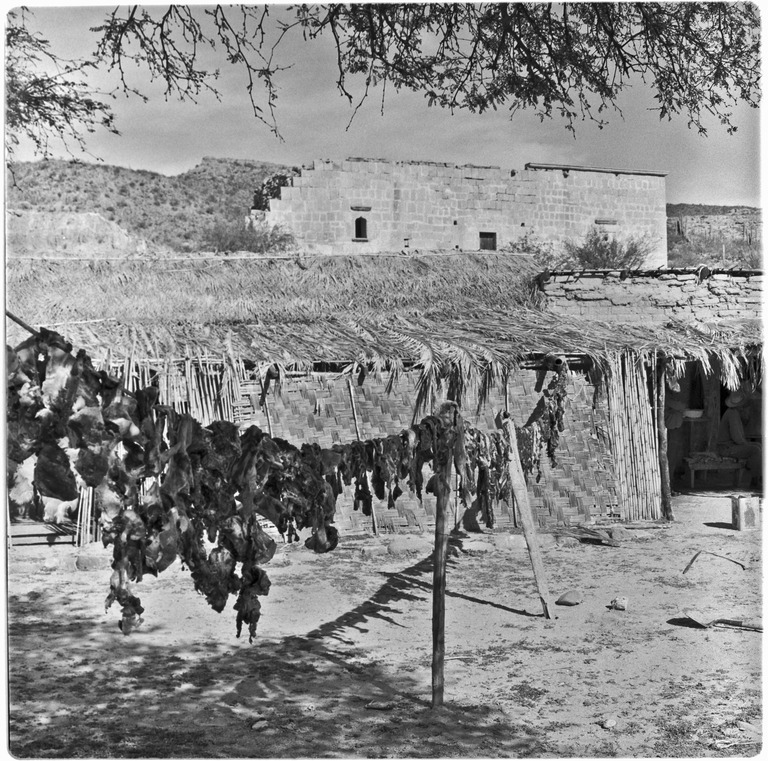
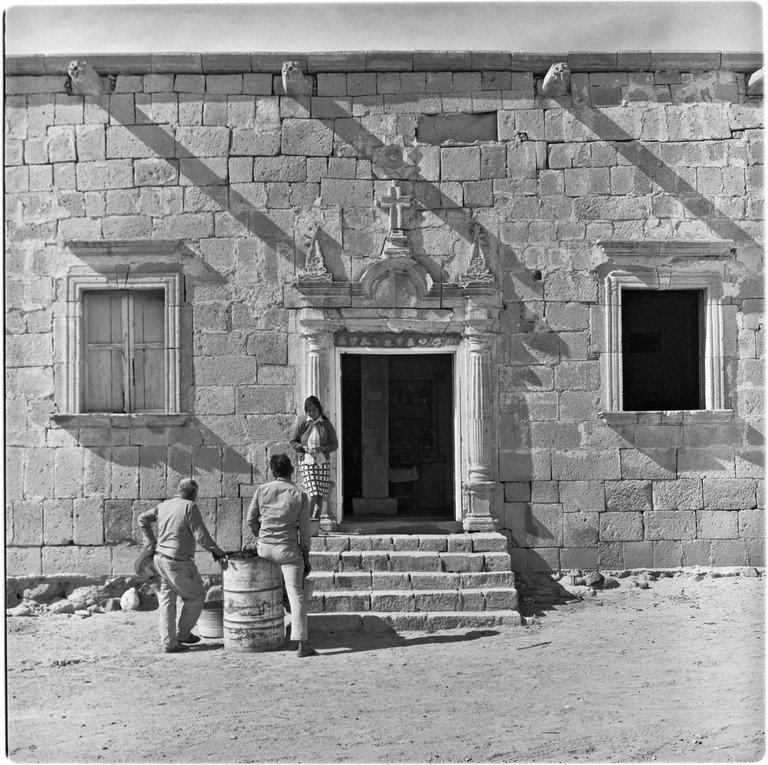
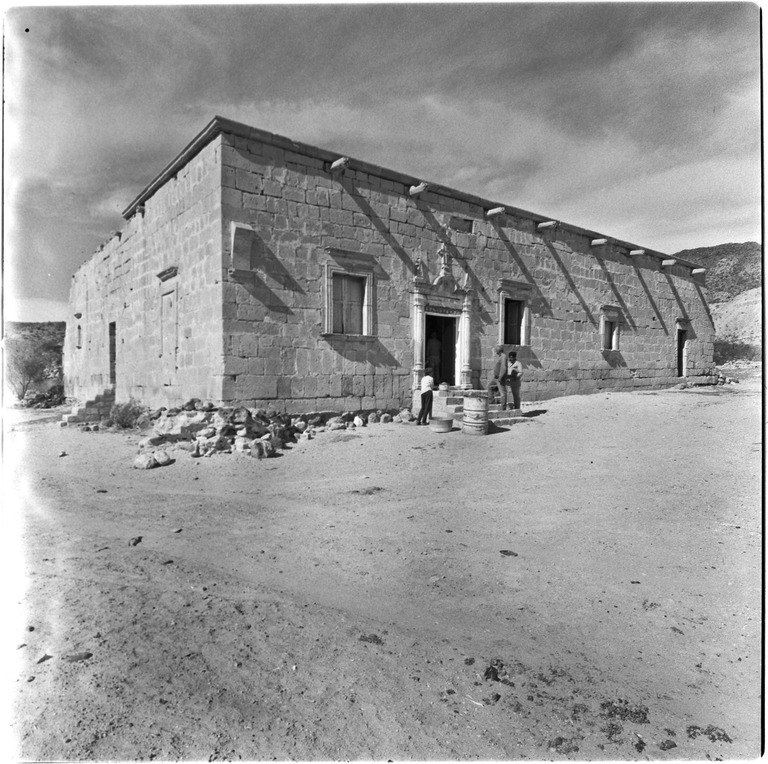
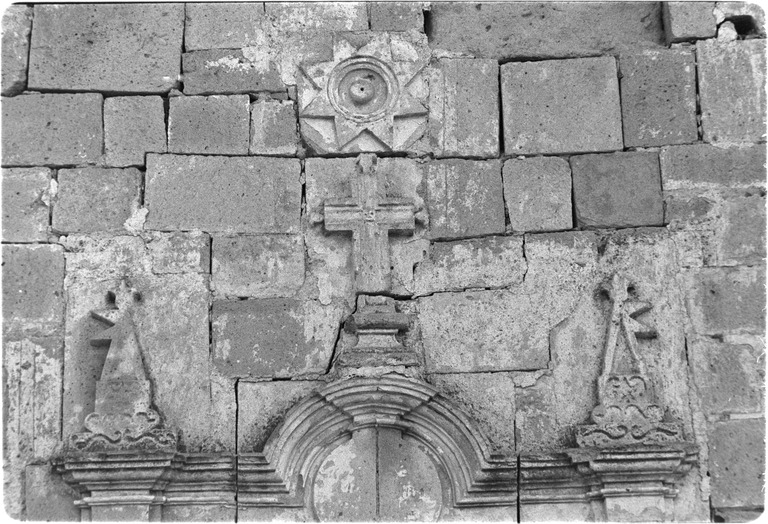
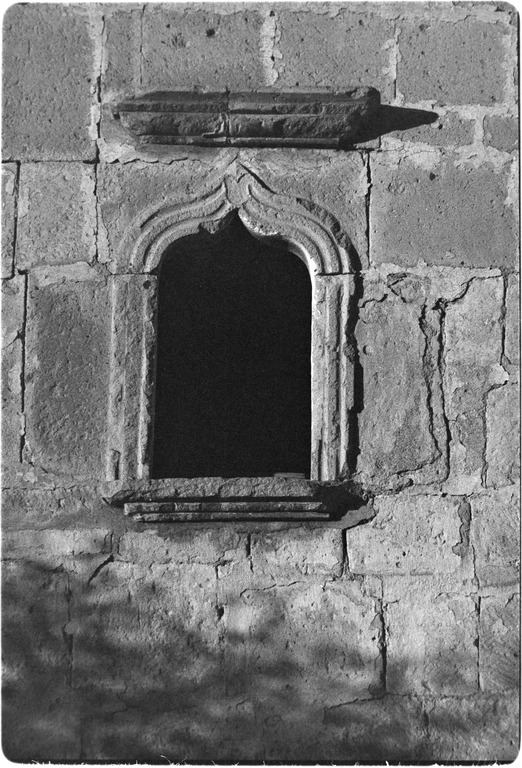
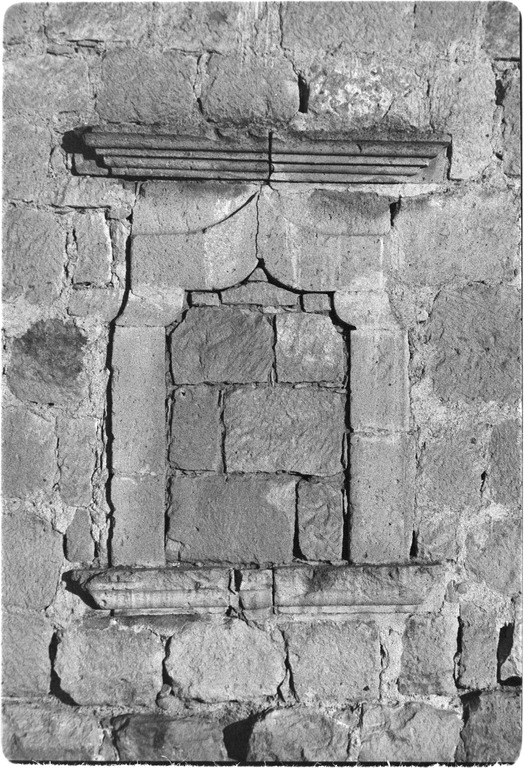
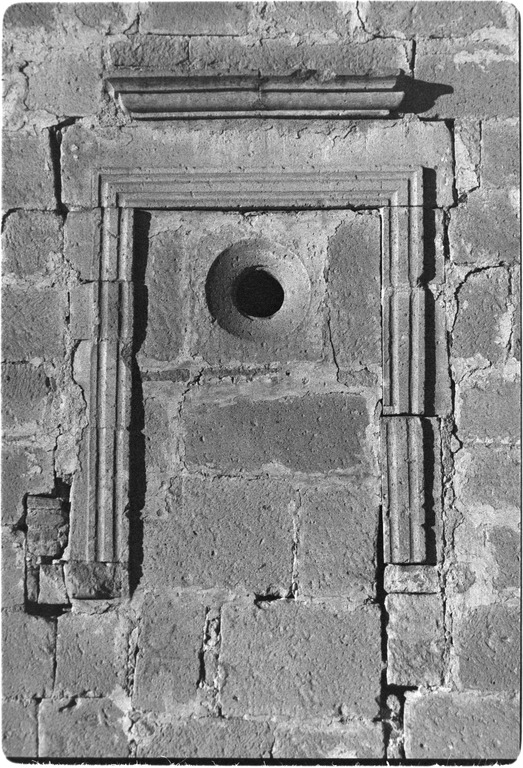
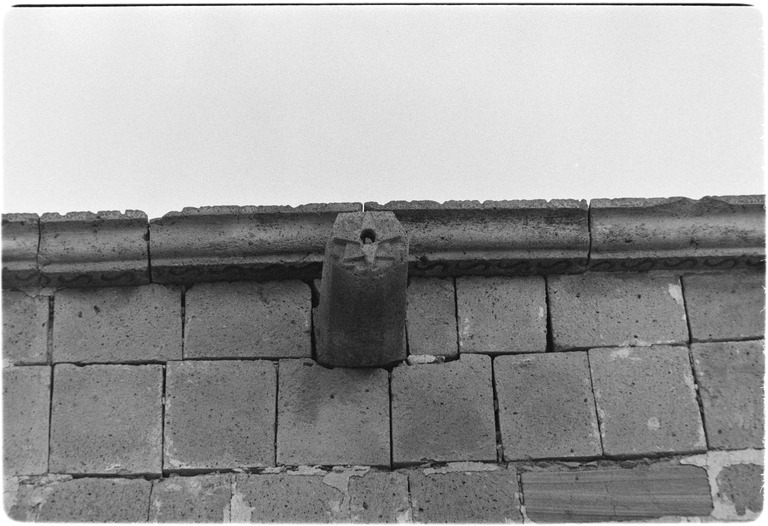
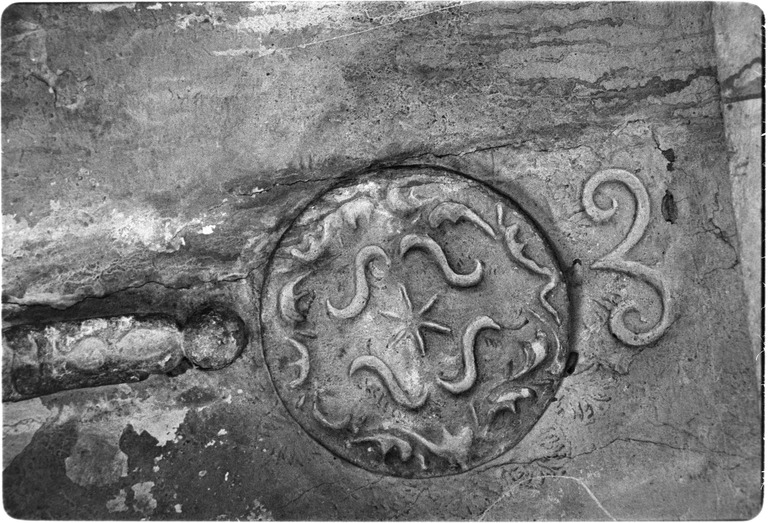
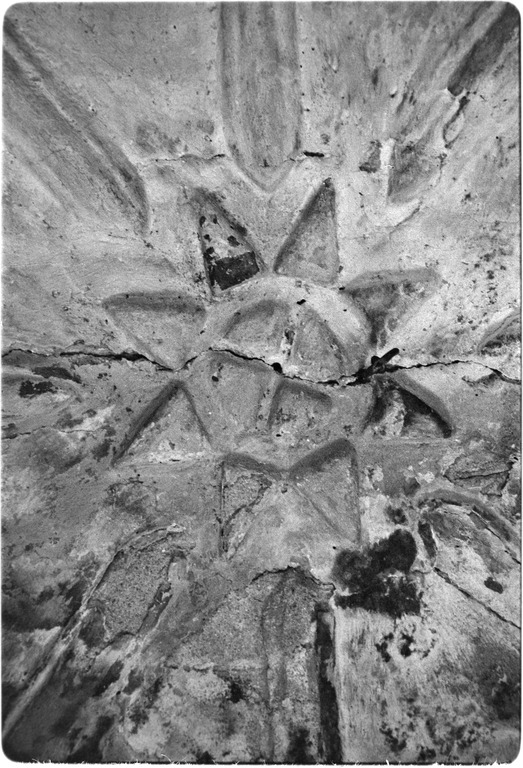
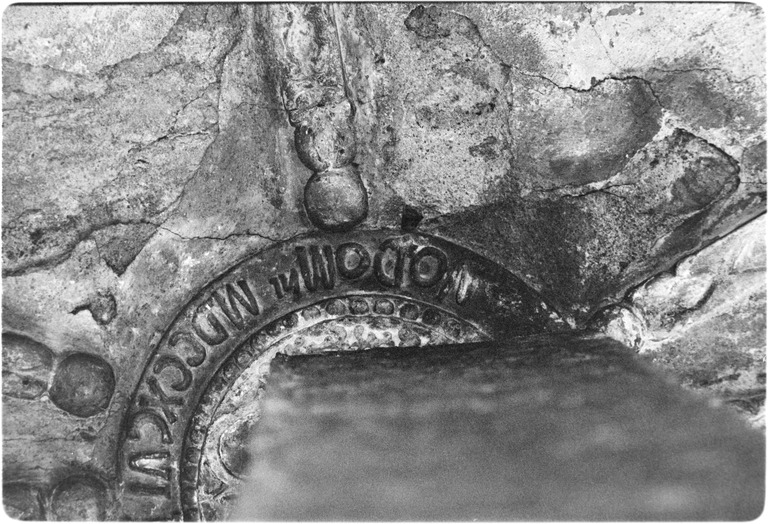
April 20, 1954 photos by Howard Gulick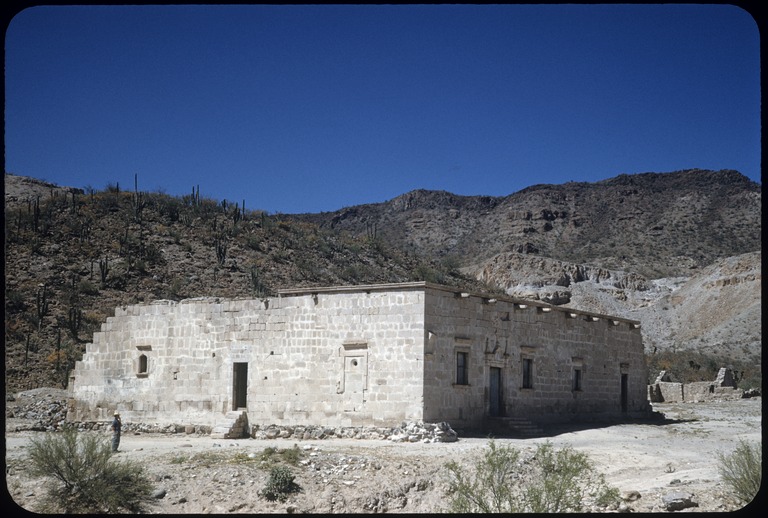
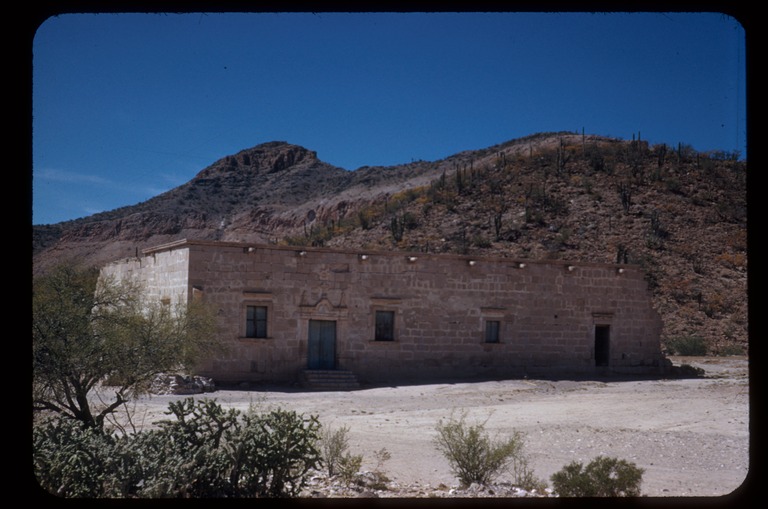
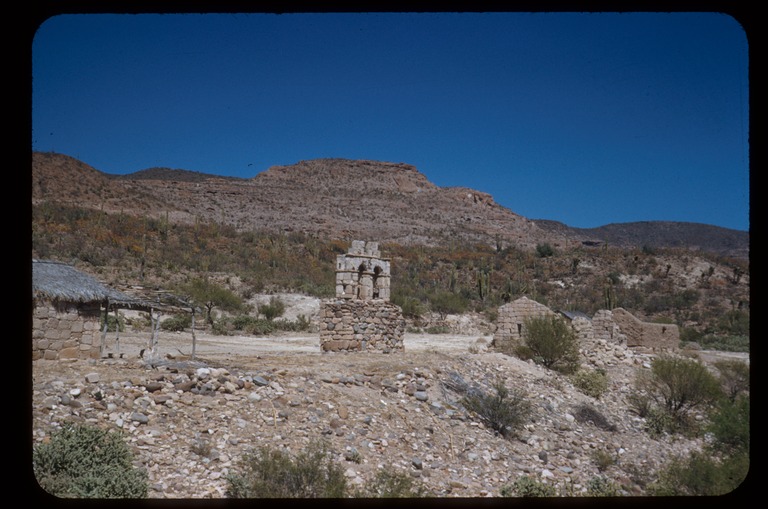
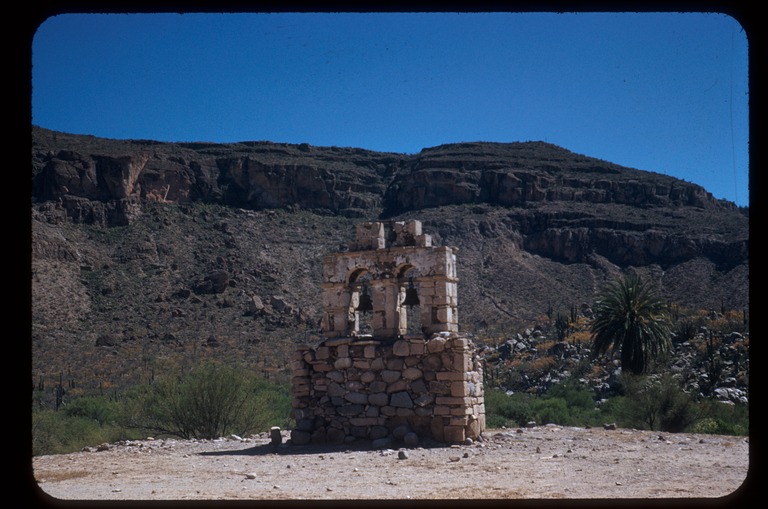
1949 photo by Marquis McDonald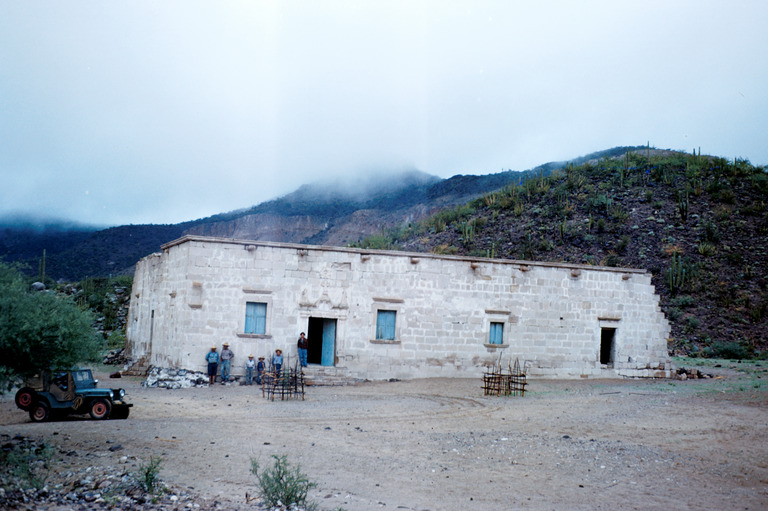
1906 photos by Arthur North
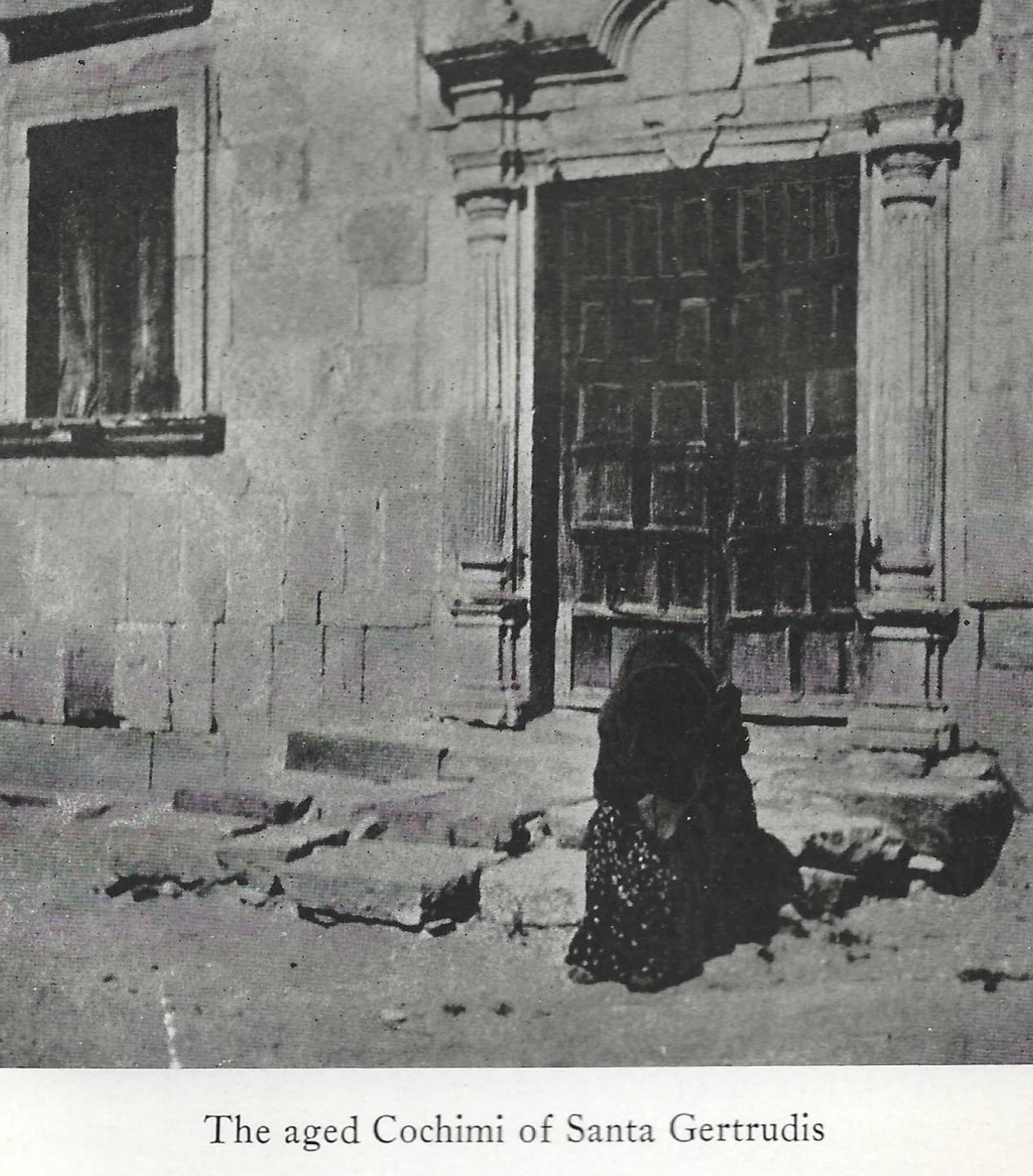
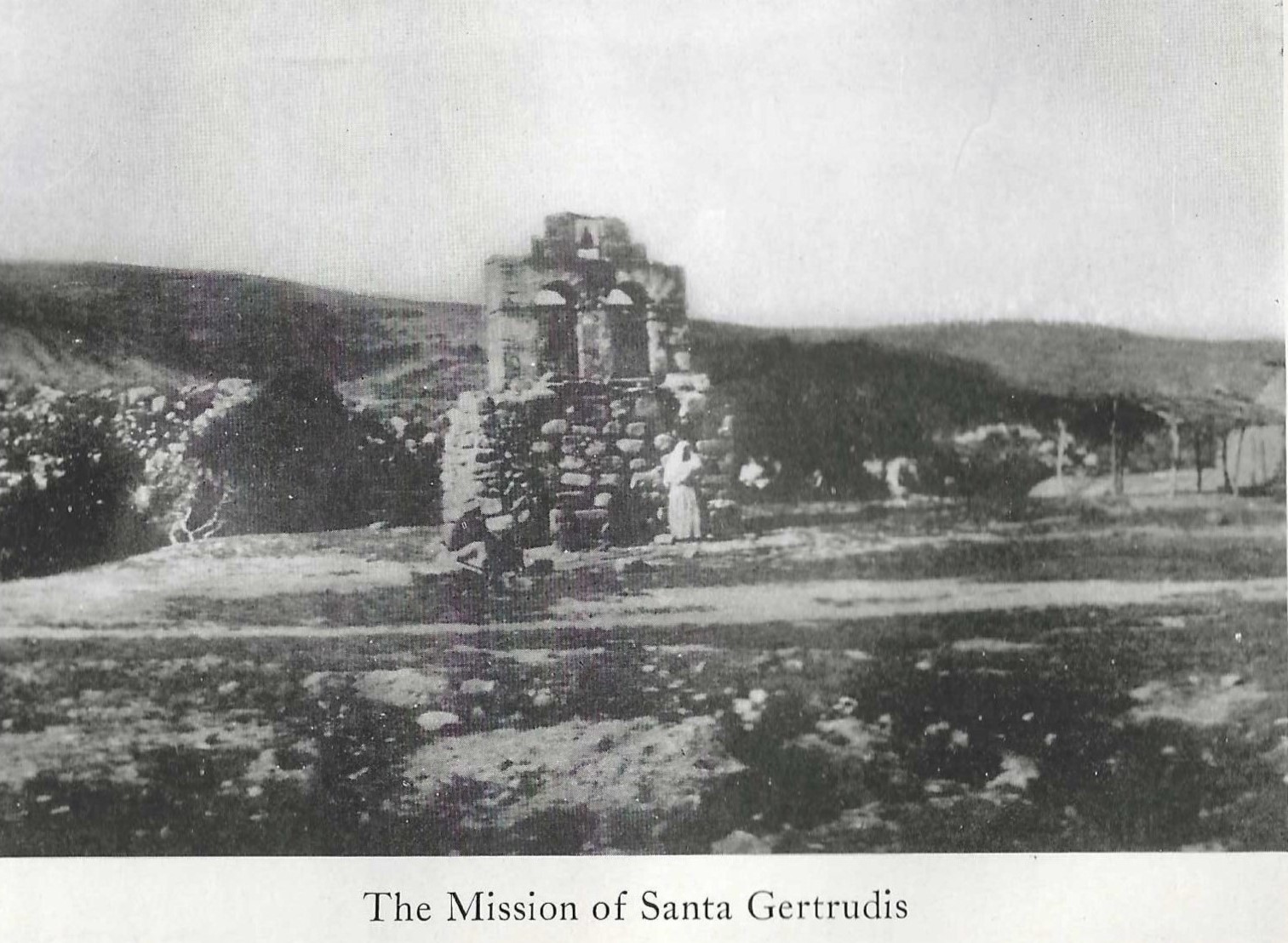
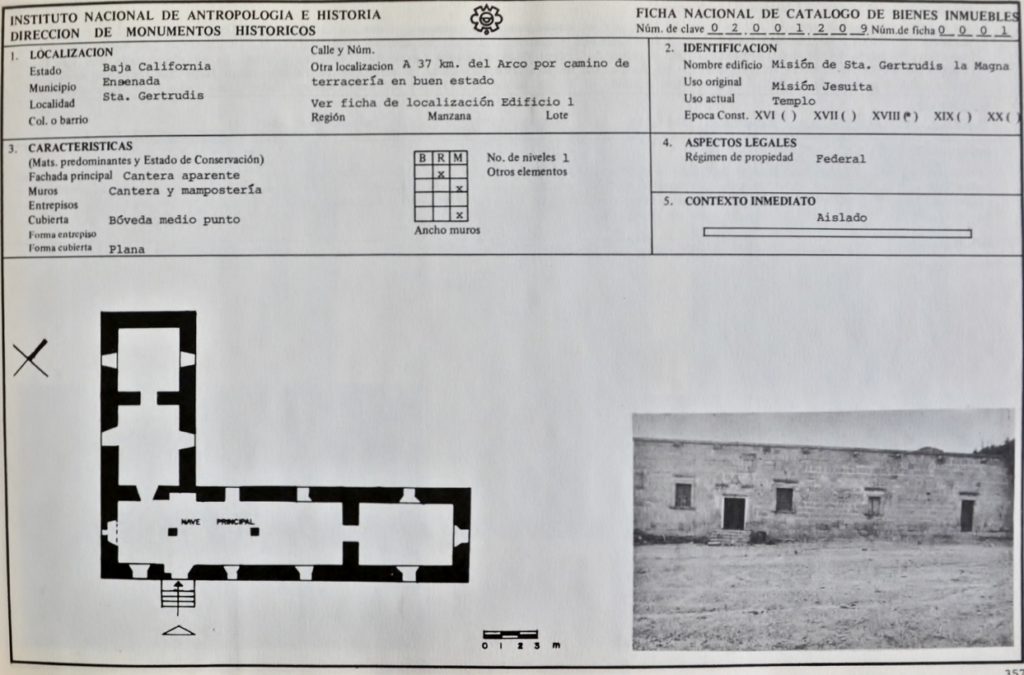
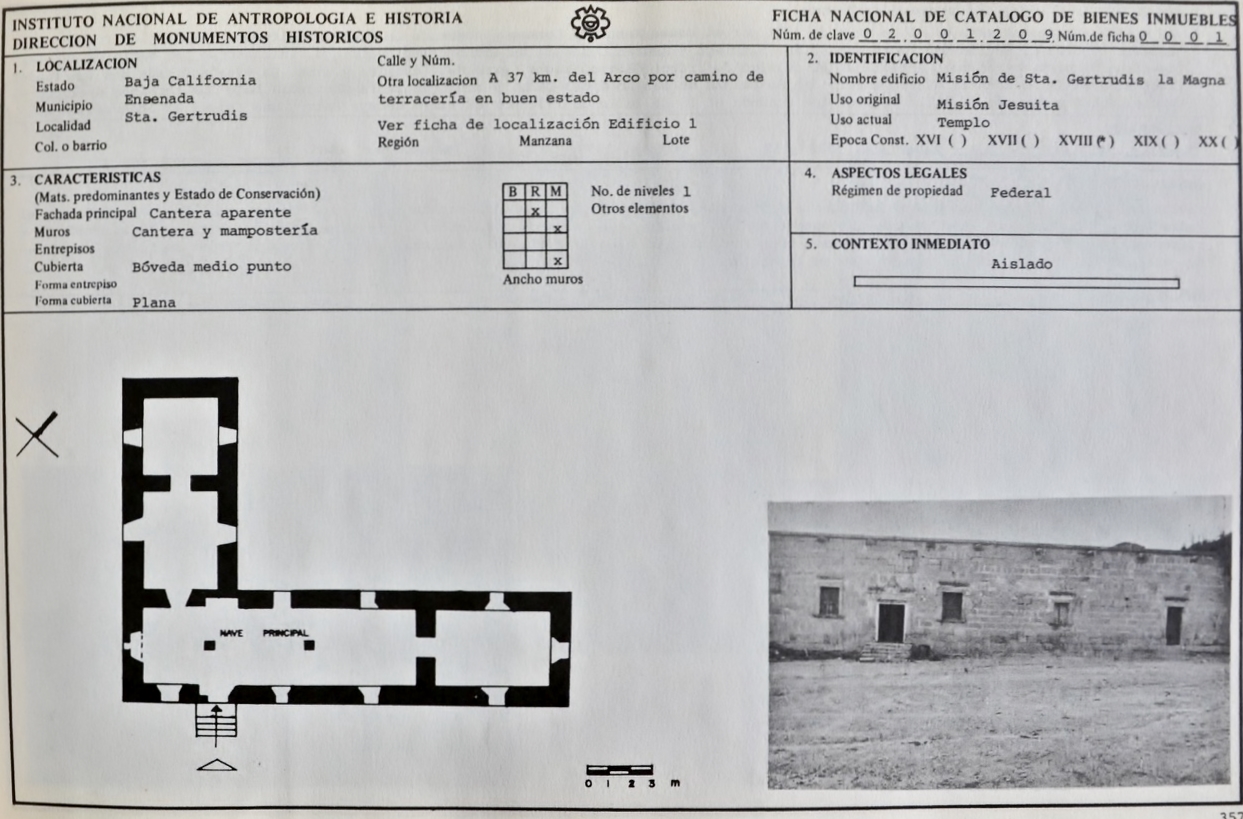
Plan from INAH
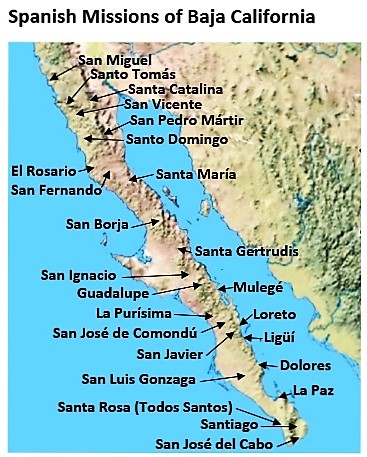


- GPS: 28.051117, -113.085325 (just north of the state border)
- Directions: South of Guerrero Negro/ north of Santa Rosalia, on Highway 1 to Km. 154.5 (37 dirt miles via Guillermo Prieto) or Km. 189 (47 dirt miles via El Arco). These dirt toads are generally very good. There are no services anywhere on these roads, no gasoline, no accommodations.
- Mission San Fernando photos & info: https://vivabaja.com/san-fernando/
- Mission Santa María photos & info: https://vivabaja.com/santa-maria/
- Mission San Borja photos & info: https://vivabaja.com/san-borja/
- Mission San Ignacio in photos: https://vivabaja.com/san-ignacio/
- Mission San José de Comondú photos & info: https://vivabaja.com/comondu/
- Mission San Javier in photos: https://vivabaja.com/san-javier/
- All the missions, quick look and history, north to south: https://vivabaja.com/mission-site-photos/

I hope this was interesting or informative for you! Please be welcome to join our Baja California Land of Missions Book Group, on Facebook: HERE
- All the missions, quick look and history, north to south: HERE
- Other mission photo pages plus more Baja California history: HERE
- VivaBaja.com home page
The following chapter is from my book, Baja California Land of Missions Order your own copy from Amazon Books: HERE
#15 Santa Gertrudis (1752-1822)
Fifteen years passed before the Jesuits were able to establish another mission, and it would be the first one in the northern half of the California peninsula. Padre Fernando Consag had made expeditions seeking potential mission sites, and was baptizing natives in advance, for the next mission.
The first expedition was in June 1746 traveling in four small sail boats. They traveled along the gulf coast from San Carlos (a small inlet northeast of San Ignacio) to the mouth of the Colorado River. This expedition once again confirmed that California was not an island. Other Jesuits, including Padres Ugarte and Kino, had found this to be the case years before on their expeditions to the north though their views were not widely accepted. Consag’s findings convinced his superiors to connect the missions of California with those in Sonora on the Mexican mainland, so a push to build north was finally made. A land route of communication would be preferred over crossing the often violent waters of the Gulf of California. Additionally, more Californians would be Christianized and civilized for the King.
The second Consag expedition was by land in May 1751. It began north of San Ignacio at a place with a small stream that Consag had visited before and named La Piedad. They traveled northwest nearly to Punta Baja (near today’s El Rosario) before returning. Consag found no place that offered any better site for a new mission than did La Piedad. Padre Consag baptized over 500 Indians in 1751 and assigned them to the proposed future mission. The new mission’s official name was to be Dolores del Norte. That name appeared on maps and Jesuit reports dating back to 1744, but at that early date, Dolores del Norte was a mission only on paper. This caused some writers in the 20th century to believe a lost mission existed with that name. Some, including INAH (Instituto Nacional de Anthropolgía e Historia), Mexico’s National Institute of Anthropology and History, have also called the large visita ruins in San Pablo Canyon, “Mission Dolores del Norte,” in error.
Consag began preparing the La Piedad site with the help of a highly skilled but blind Cochimí Indian named Andrés Comanají. Comanají took the name “Sistiaga” out of affection for his former teacher (Padre Sebastián de Sistiaga) at Mulegé. Andrés Comanají Sistiaga managed the construction at La Piedad for the future mission. Its official founding would occur once a new priest was available and ready.
The name of the new mission was changed to Santa Gertrudis out of respect for the benefactor, Don José de la Puente Peña, the Marqués de Villapuente, in honor of his wife, Gertrudis de la Peña. He had funded the mission at San José del Cabo but left instructions that if that mission was ever abandoned, his money was to be used to establish a mission in the land of the Cochimí. Mission San José del Cabo was closed by the Jesuits in 1748 thus the transfer of financial support occurred.
Padre Georg Retz opened Santa Gertrudis on July 15, 1752, following a year of training at San Ignacio where he learned the Cochimí language. Hundreds and hundreds of Cochimí came to be baptized and join the mission. Desiring this mission to be self-sufficient, Padre Retz had ditches dug into solid rock to transport water from the spring to fields he had cleared and filled with soil. Wheat and corn grew and was harvested. Eventually the vineyards produced mission wine in tanks created by hollowing boulders, as wooden casks were not available. Figs, peaches, pomegranates, and olives grew in the mission orchards. Livestock was raised. Retz had created a mission-oasis in the center of the peninsula’s desert. Neophytes numbering 1,730 were reported at Mission Santa Gertrudis in 1762, ten years after it was founded.
In 1768, the Jesuits were removed from California and replaced by the Franciscans. Padre Dionisio Basterra was placed in charge of about 1,360 neophytes at Santa Gertrudis. Spain’s Visitador General José de Gálvez ordered some of the Santa Gertrudis neophytes south to populate missions needing labor for their farmlands.
In 1773, the Dominicans arrived to take over the mission operations in Old (or Lower) California, and the Franciscans were to only operate missions in New (or Upper) California. By 1782, the population at Santa Gertrudis had dropped to 317. A cut-stone mission church completed in 1796 replaced the earlier adobe one. In 1800, the population at the mission was down to 203 as epidemics took their toll.
One large mission visita is located about twenty-five miles south, in San Pablo Canyon, a site sometimes misnamed “Dolores del Norte.” Visita de San Pablo is located east of the town of Vizcaíno, on a rough road with a locked gate. A guide with the key is required as it is located inside a protected archeological zone.
Mission Santa Gertrudis is located just north of the border between the states of Baja California and Baja California Sur, twenty-three miles east of El Arco on a graded dirt road. The twenty-five-mile unpaved highway to El Arco begins at Highway One (Km 189), seventeen miles southbound from Guerrero Negro. Another route is thirty-seven miles from Highway One (Km 154), starting about seven miles north of the town of Vizcaíno, and passes through the abandoned village of Guillermo Prieto. Cars with low ground clearance are not recommended on any back-country roads.
Missionaries recorded at Santa Gertrudis:
Jesuit
Georg Retz 1752-1768
Franciscan
Dionisio Basterra April 5, 1768
Juan Sancho de la Torre 1770
Gregorio Amurrio 1771-1773
Dominican
Manuel Rodríguez and José Díez Bustamante (to 1777) May 15, 1773
Juan Antonio Formoso 1783
Joaquín Valero 1788
José Espín 1794-1798
Segismundo Foncubierta 1812
See the other mission pages: https://vivabaja.com/baja-mission-albums/