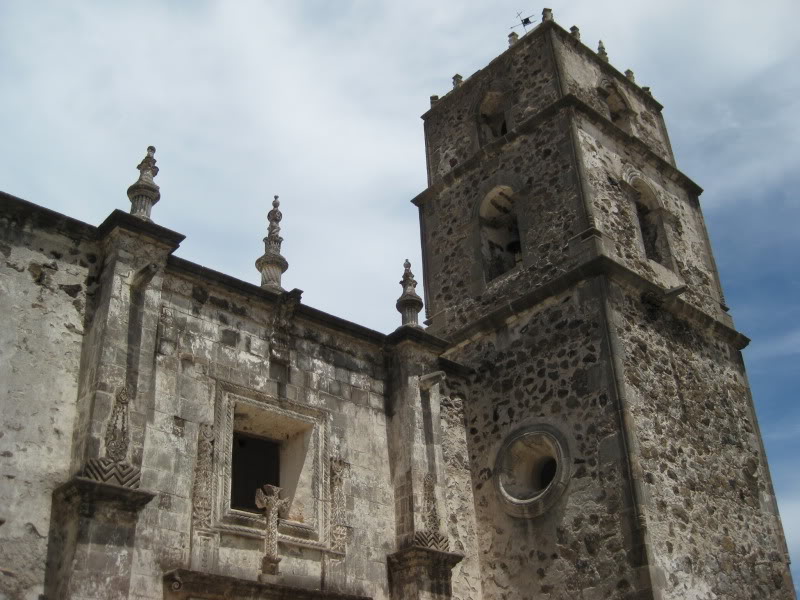
Full name: San Francisco Javier de Biaundo
Founding date: November 1, 1699 (relocated 5 miles south circa 1710-1720) Mission #2
Catholic Order: Jesuit
Founded by: Padre Francisco Píccolo
Condition: Stone church constructed from 1744 to 1758.
Closing date: Closed in 1817.
GPS: 25.860727, -111.543585
Access: Mex. #1 Km. 117 (Loreto) east & south 21 miles (paved).
Read more: CLICK HERE
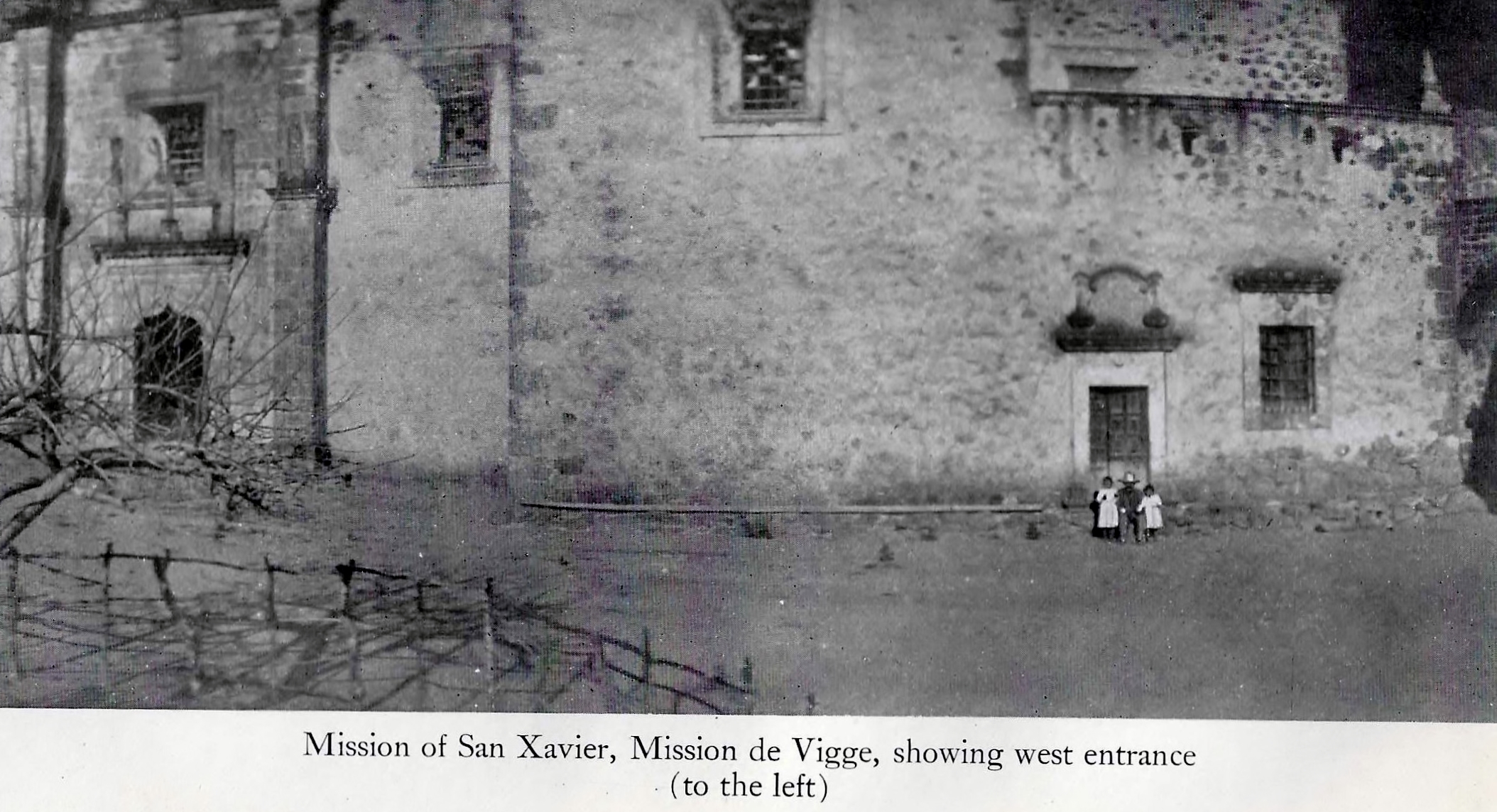
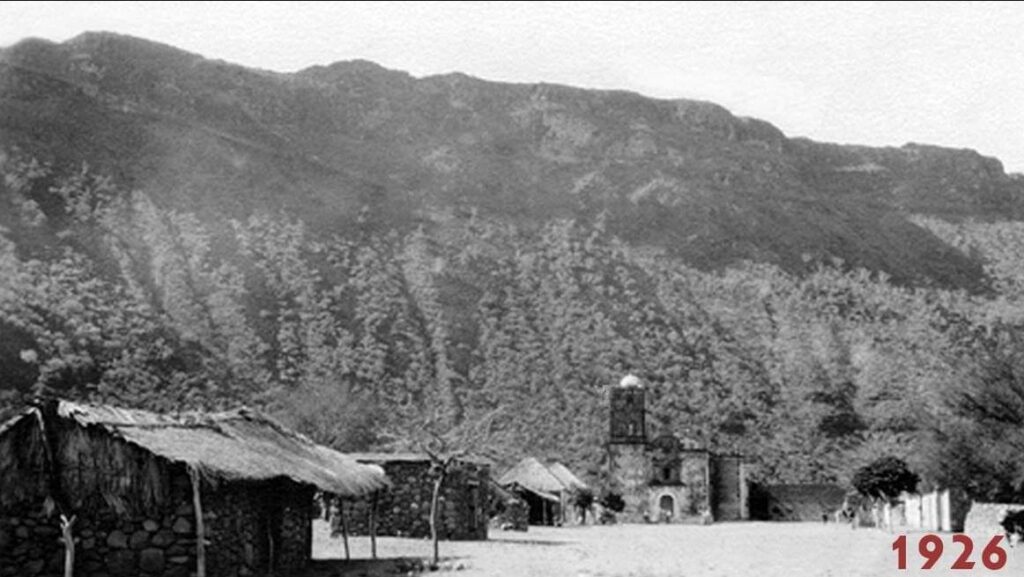
All photos below that are prior to 1973, are off the Internet and shown here purely for educational purposes. Photos below are arranged oldest to newest:
1906 Arthur North
Author of Camp and Camino in L:ower California
1926 Edward Davis
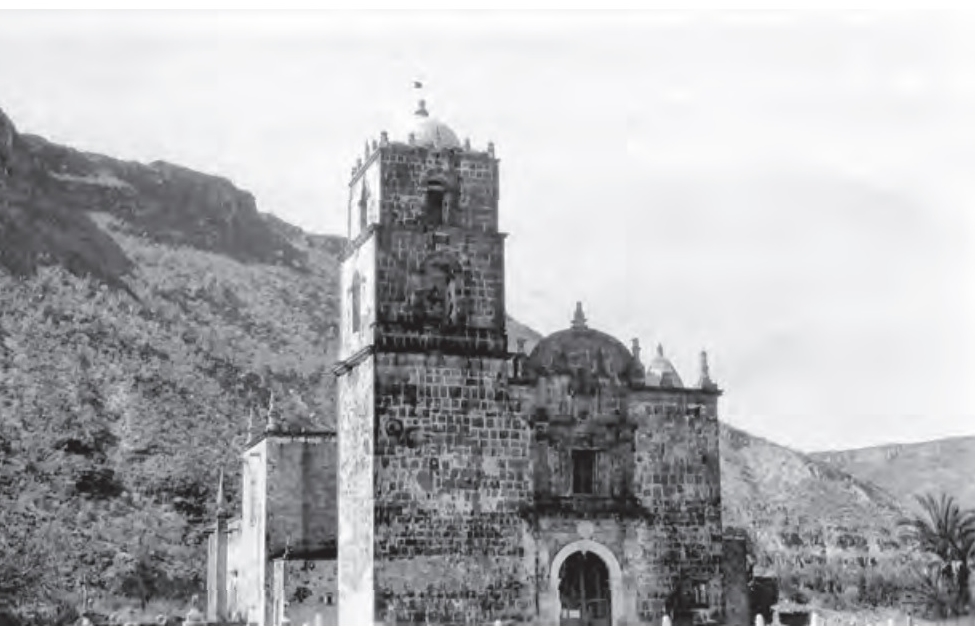
1950 Marquis McDonald
Author of Baja: Land of Lost Missions

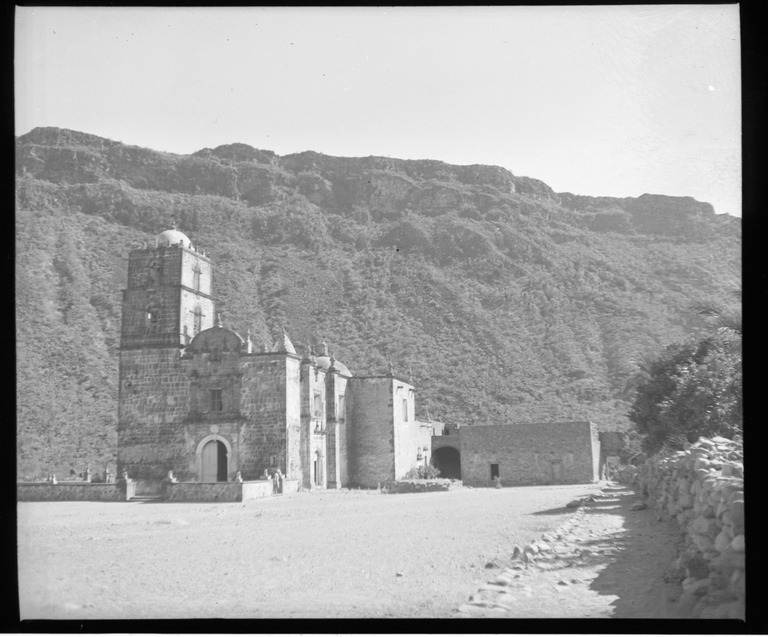
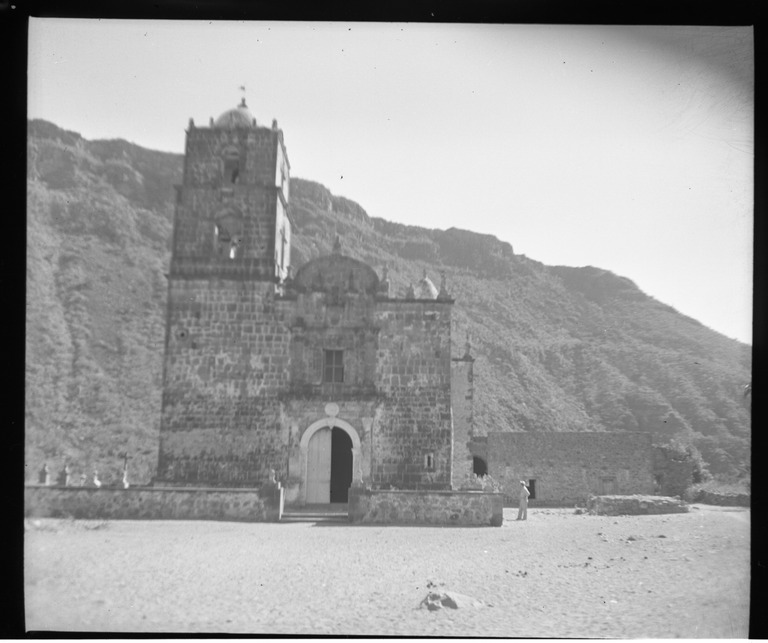
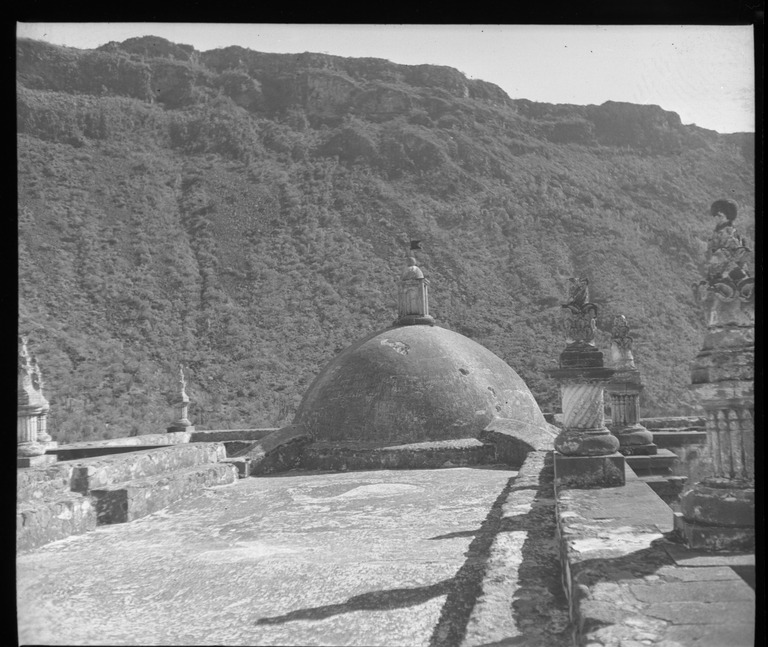
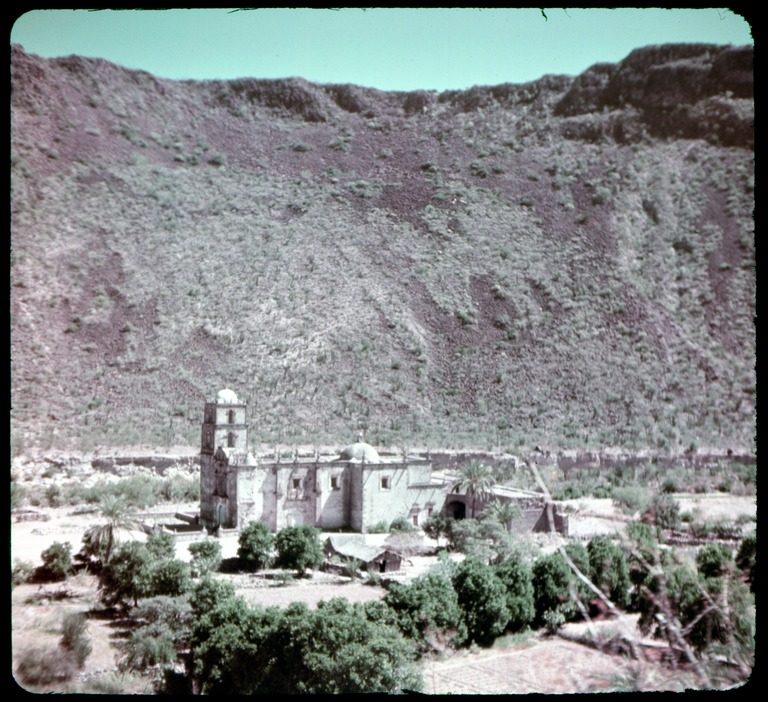
1952 Howard Gulick
Co-author of Lower California Guidebook, (1956-1970 editions and printings), and Baja California Guidebook (1975 & 1980)]. I met Mr. Gulick in 1966 and am sure of how thrilled he would be knowing we can continue to admire his work, over 70 years later! See all editions at https://vivabaja.com/baja-books/2/
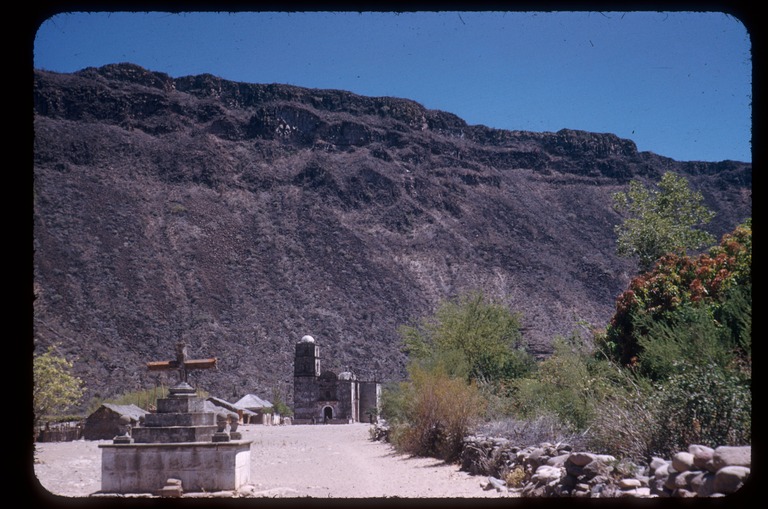


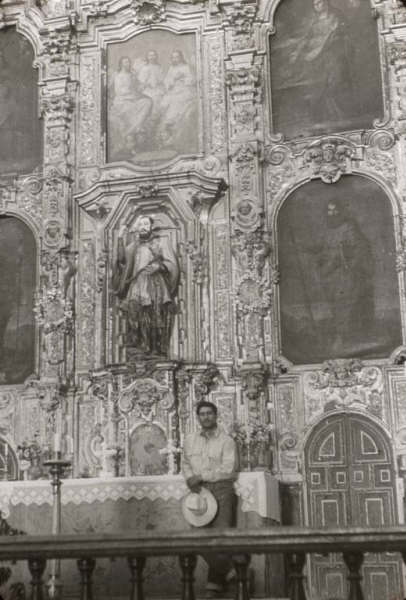
1955 Howard Gulick
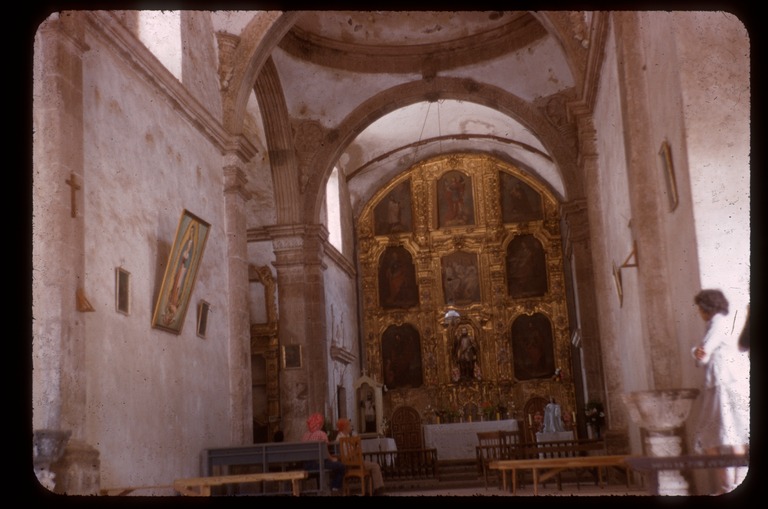


1956 Howard Gulick
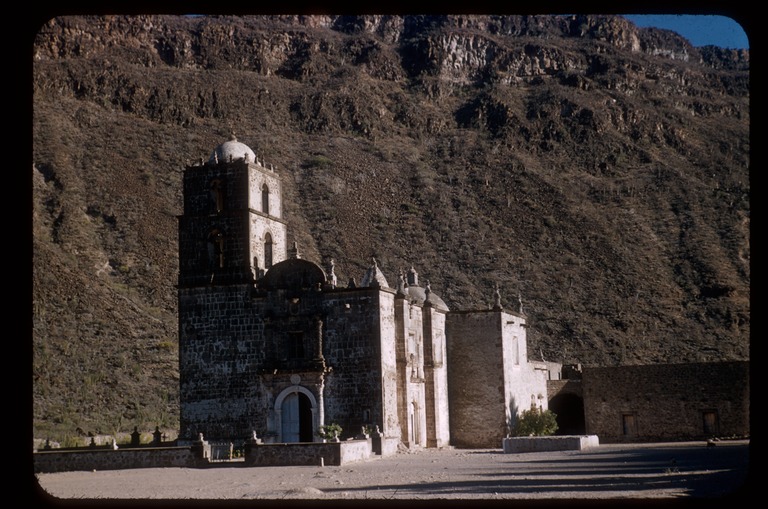

1960 Richard F. Pourade
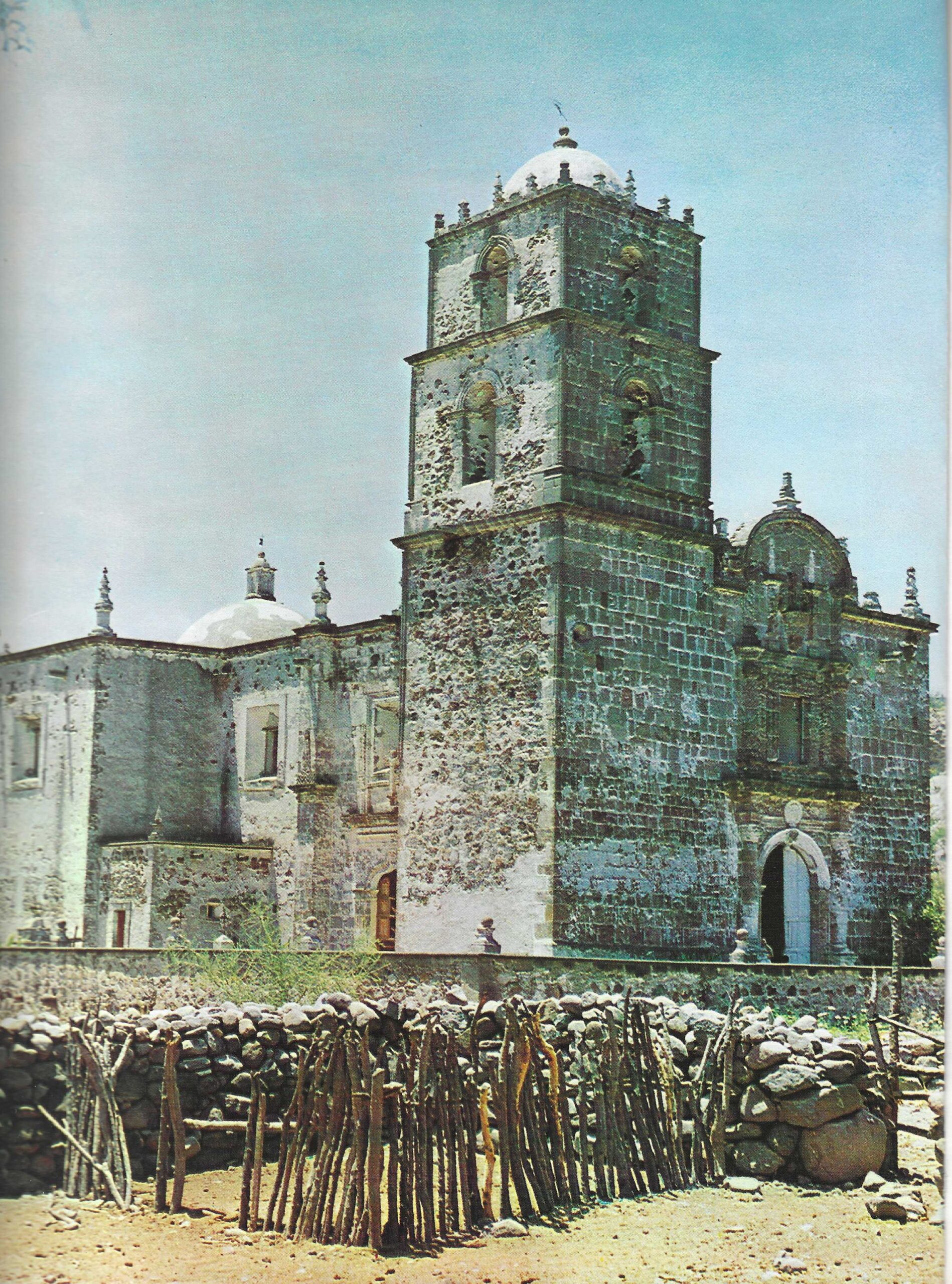
1960s Erle Stanley Gardner
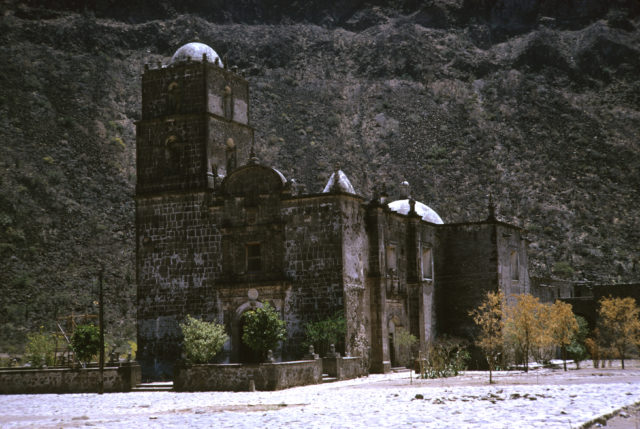
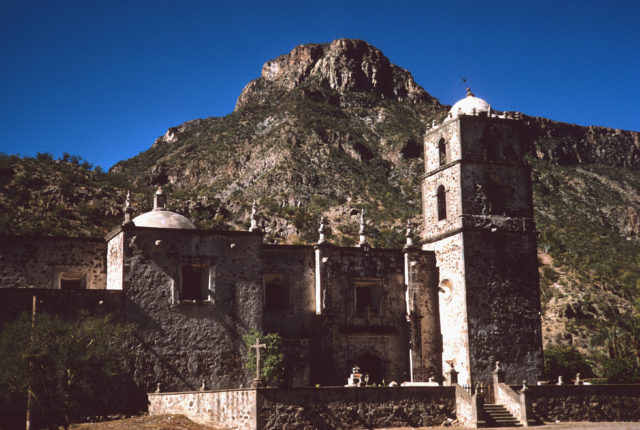
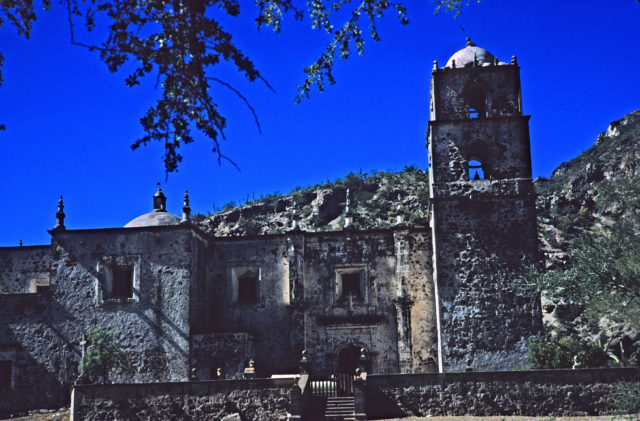
1967 Harry Crosby 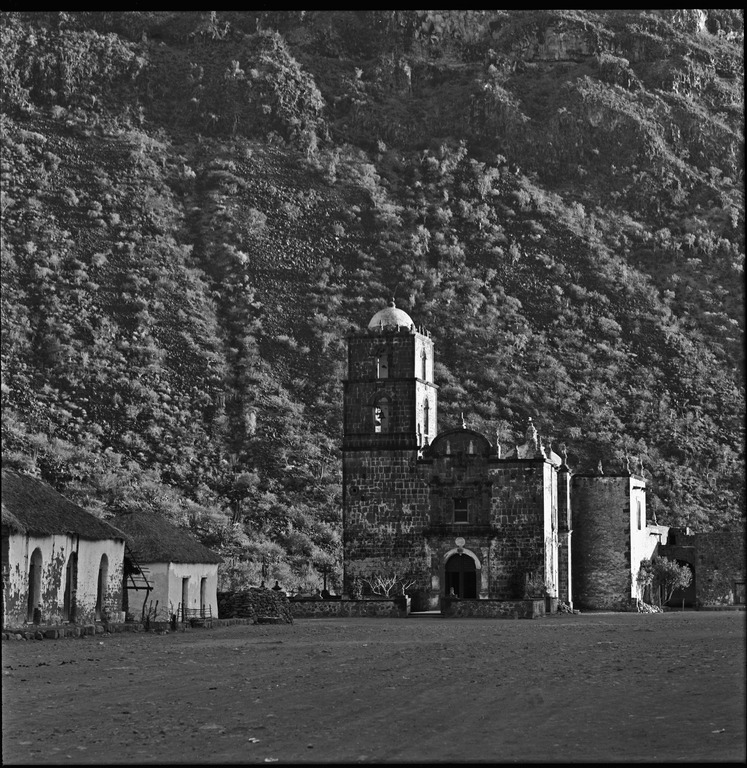
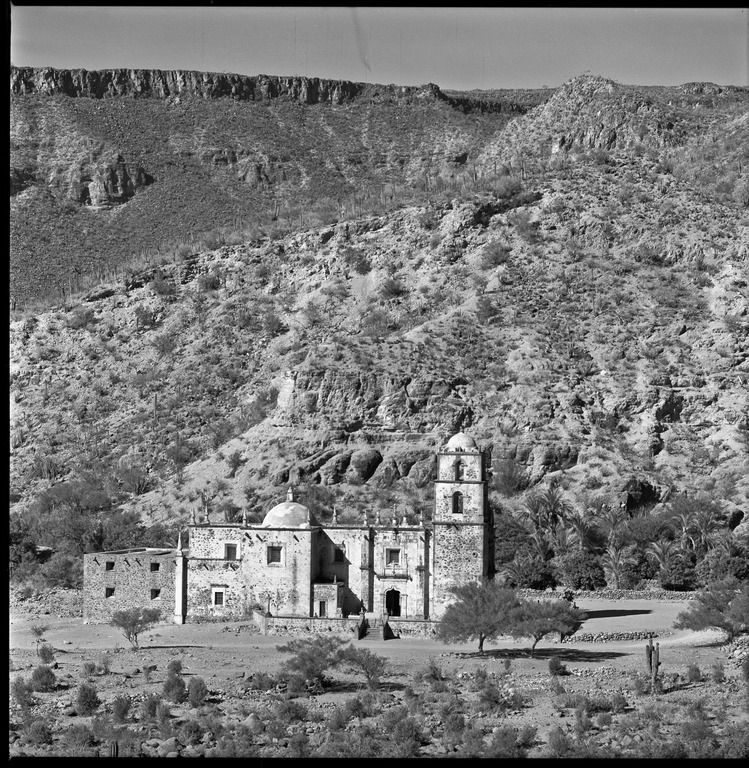
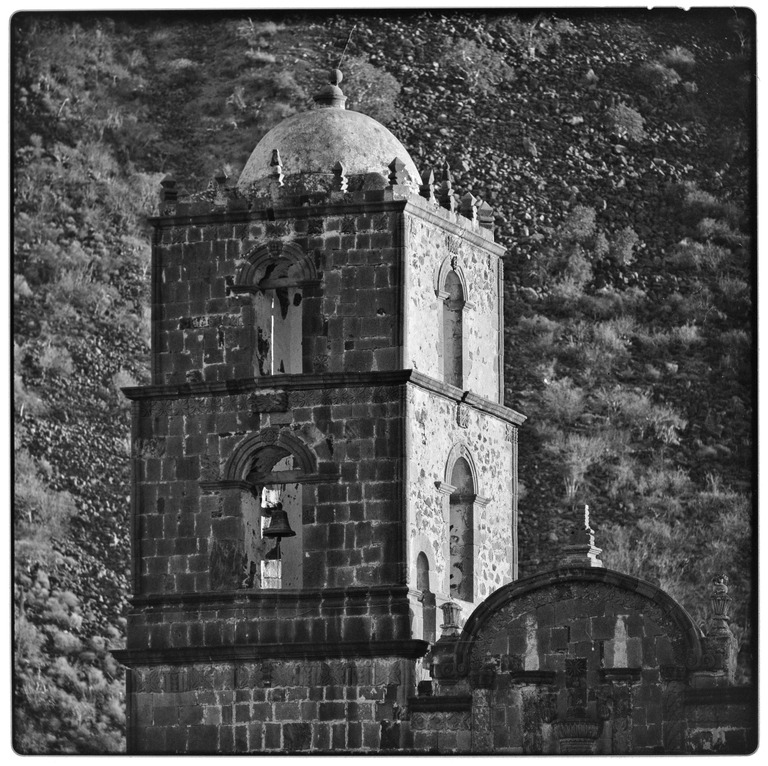
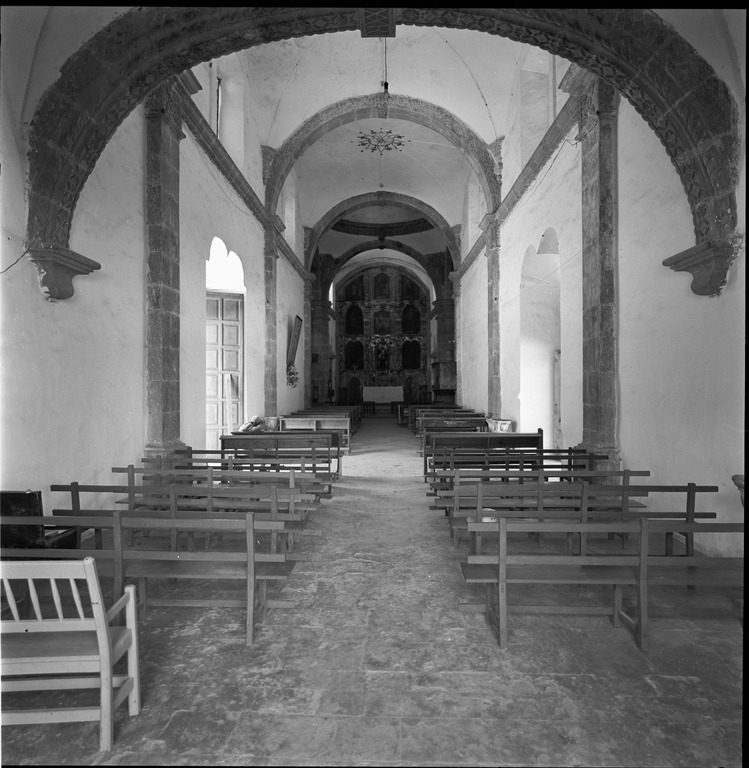
1973 David Kier
Author of 1973’s Baja and the Transpeninsular Highway, and in 2016: Baja California Land of Missions. Also, in 2012, co-authored The Old Missions of Baja & Alta California, 1697-1834, and the expanded 2020 edition: Old Missions of the Californias (with Max Kurillo).
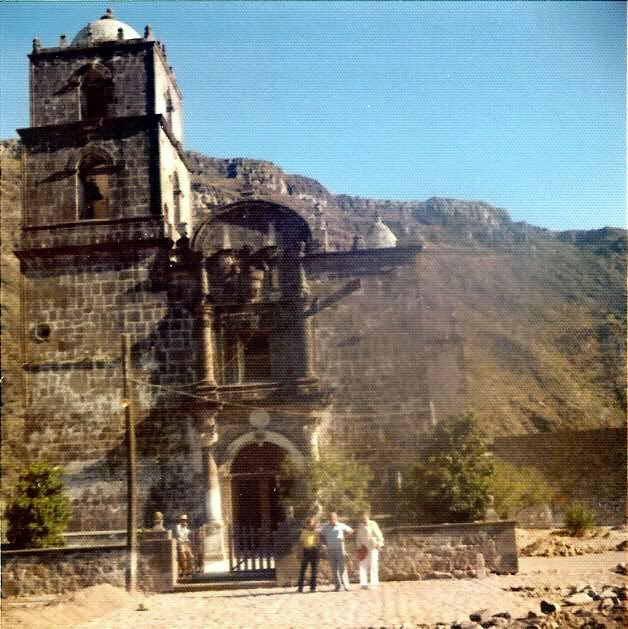
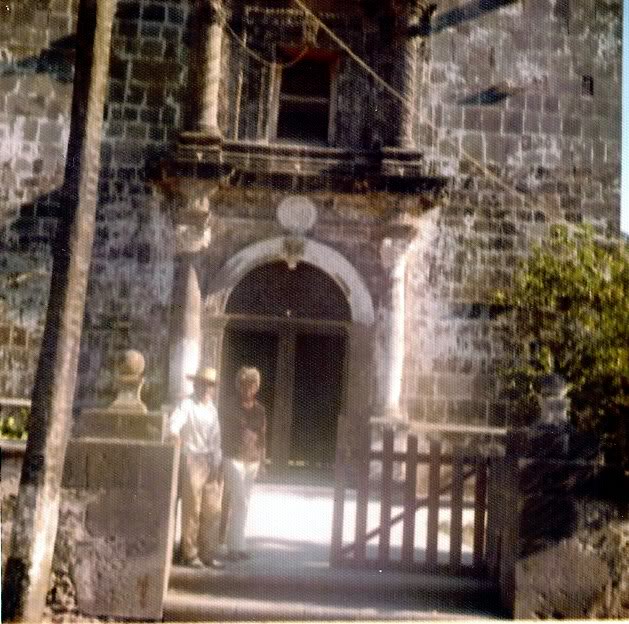
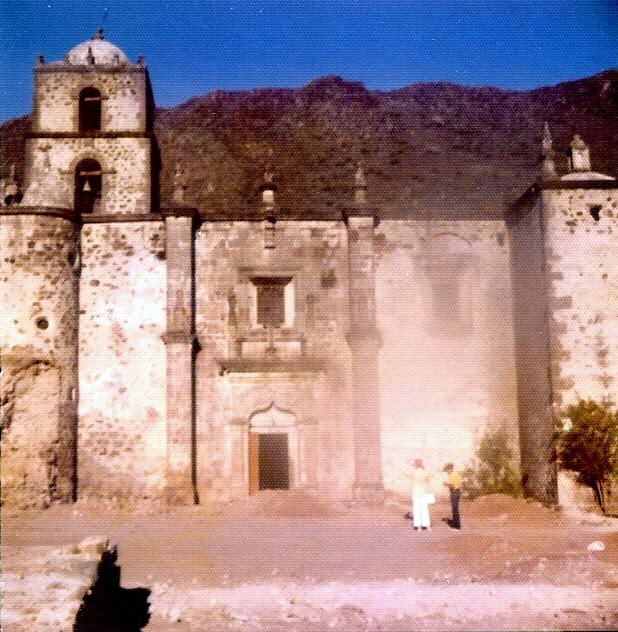
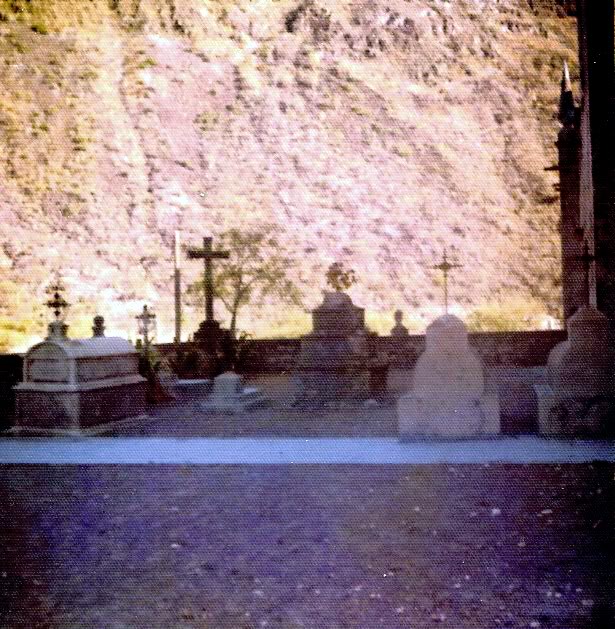
1976 David Kier


2001 Jack Swords
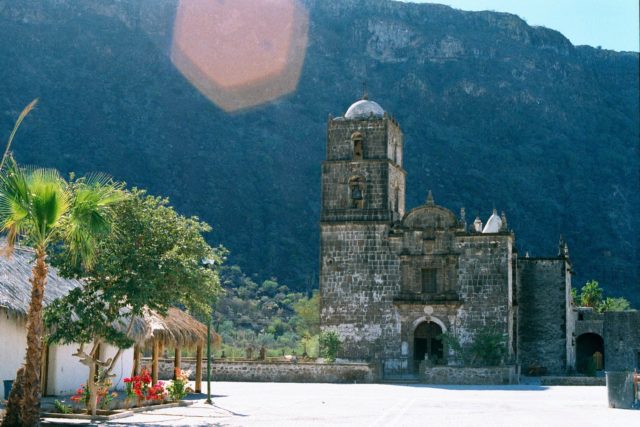


2009 David Kier
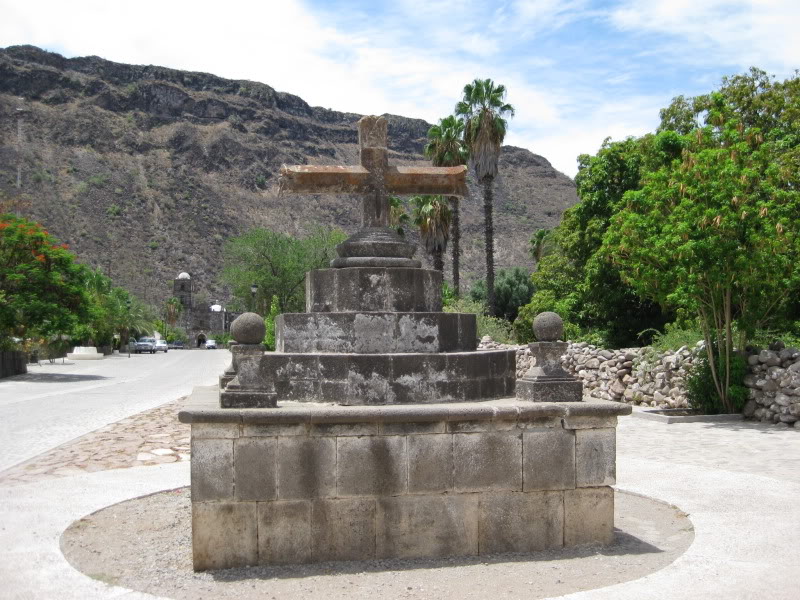
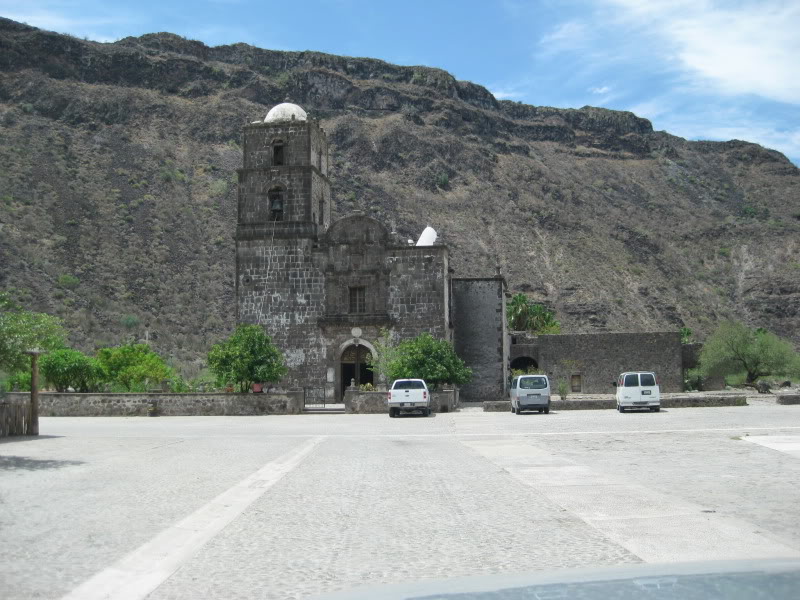
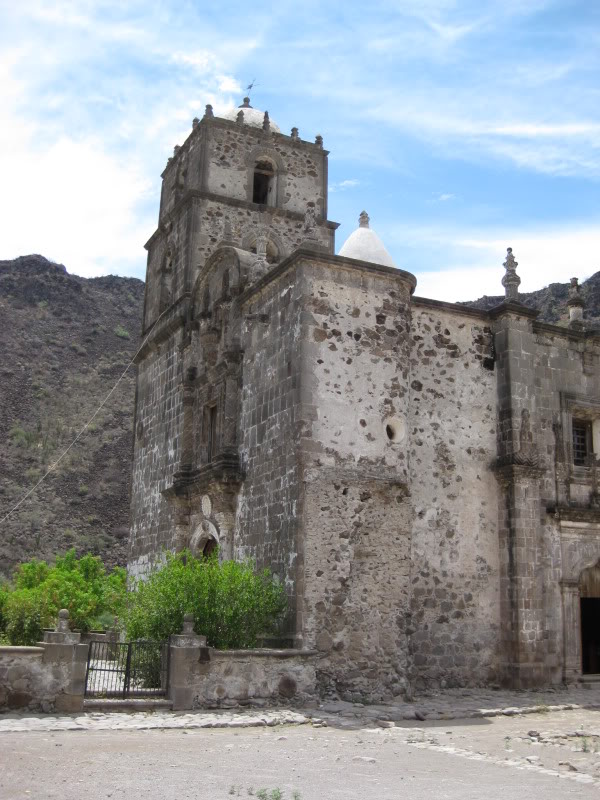
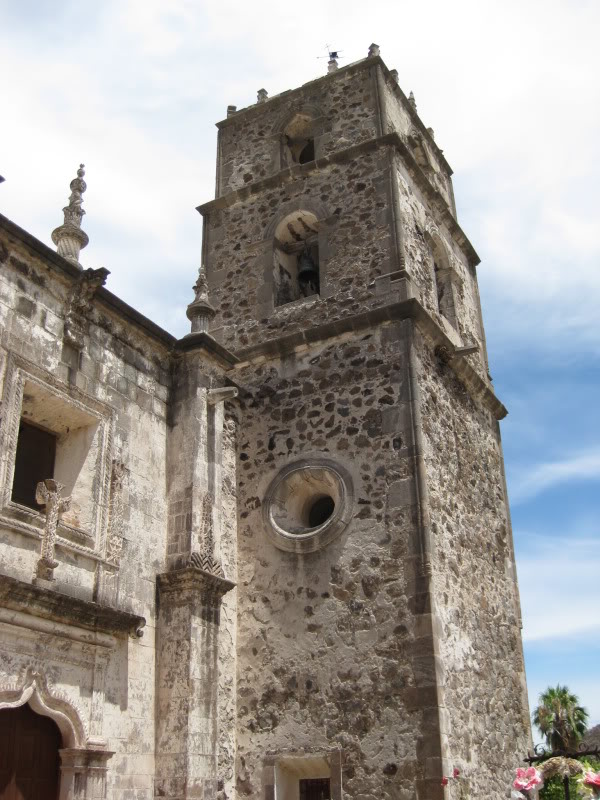
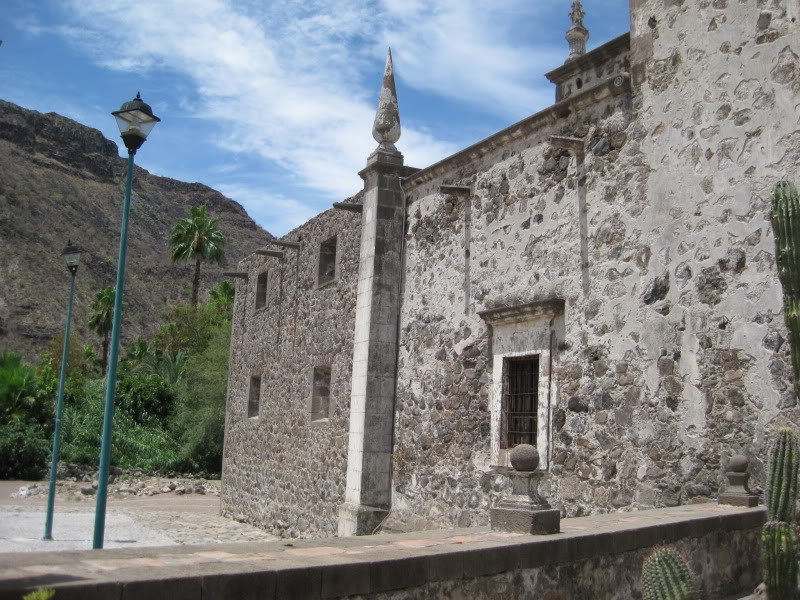
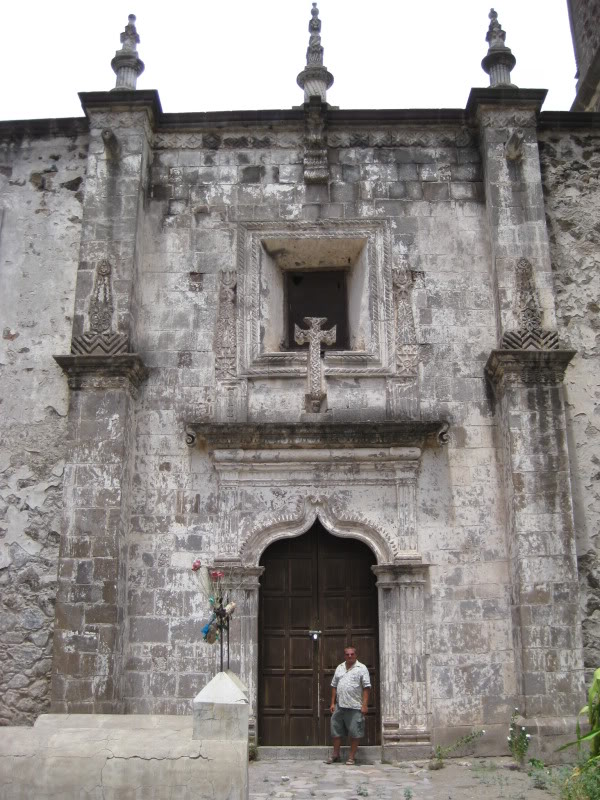

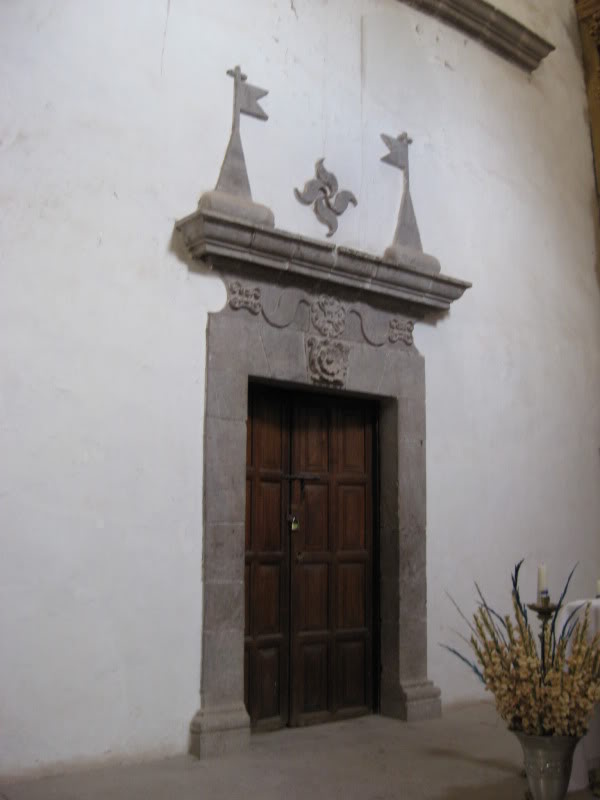
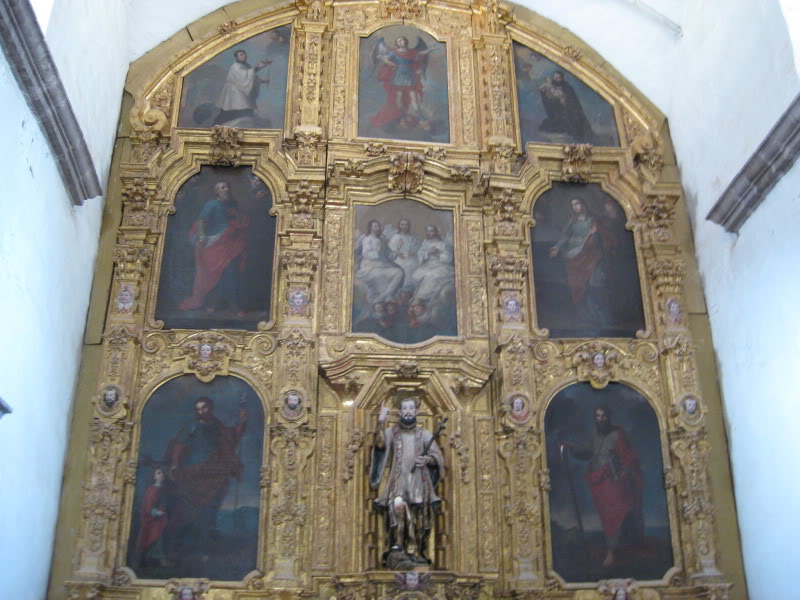
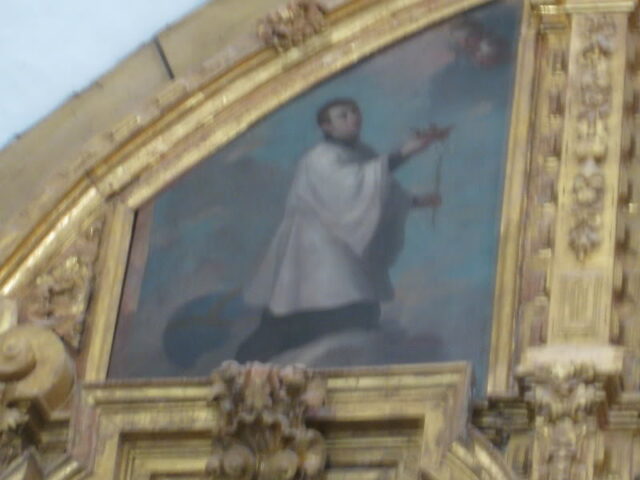

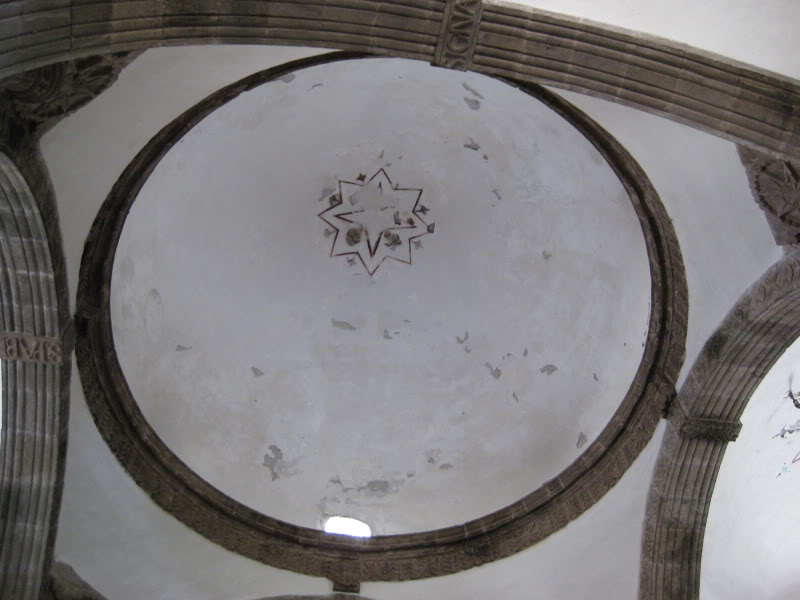

2017 David Kier

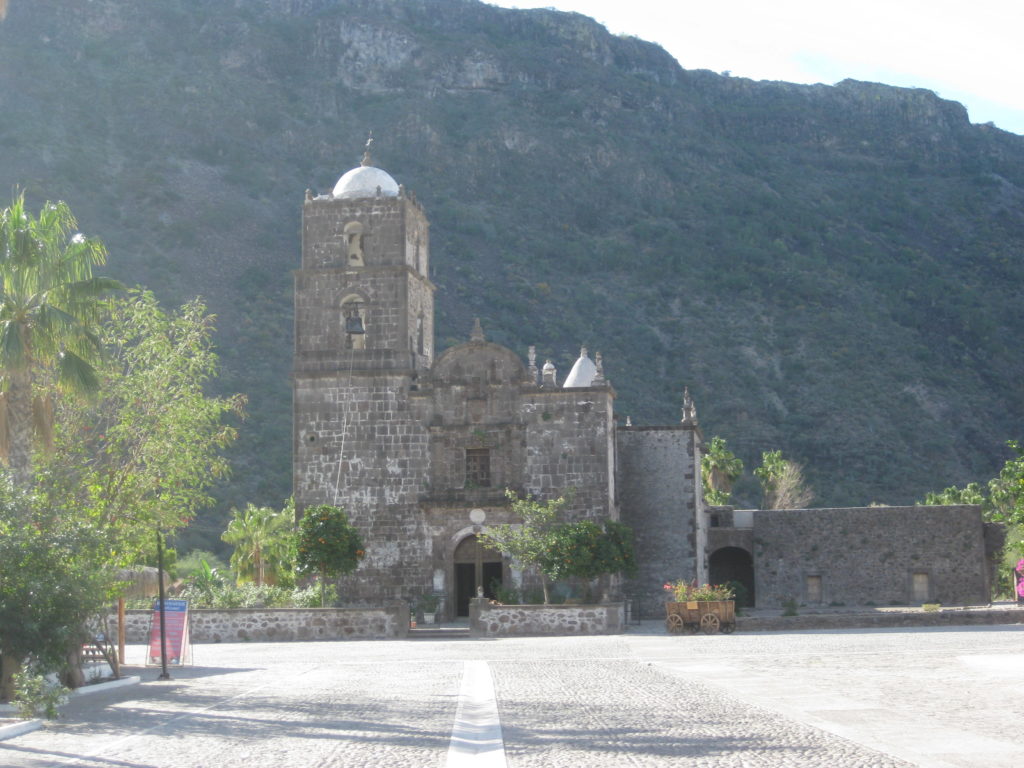
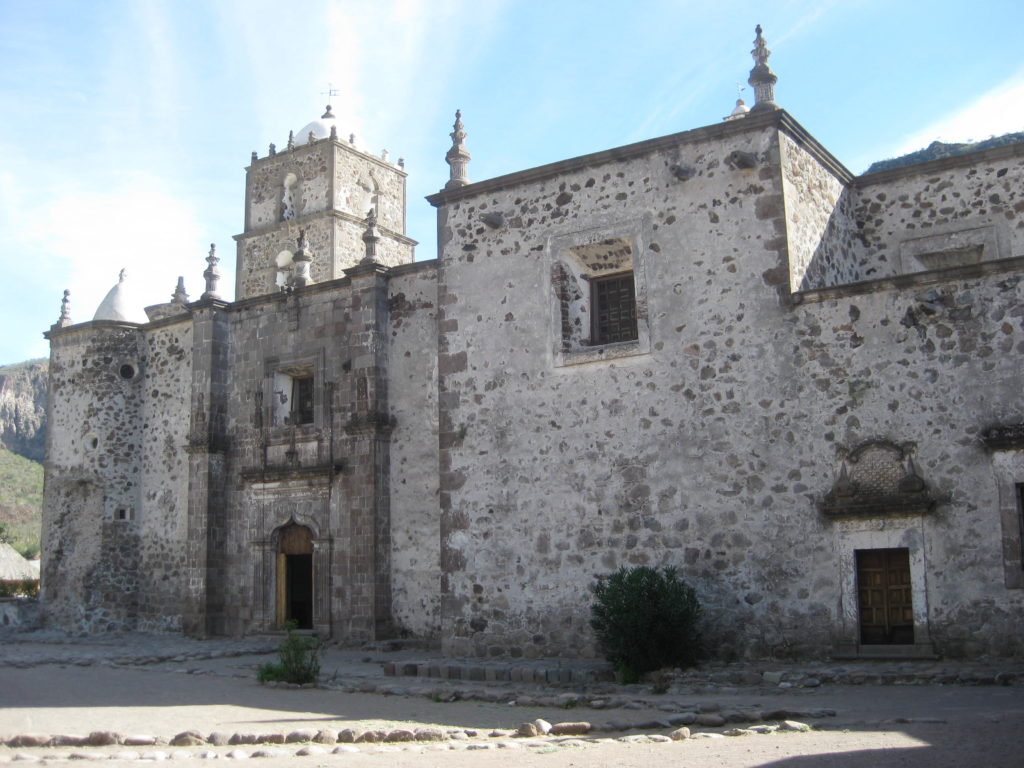


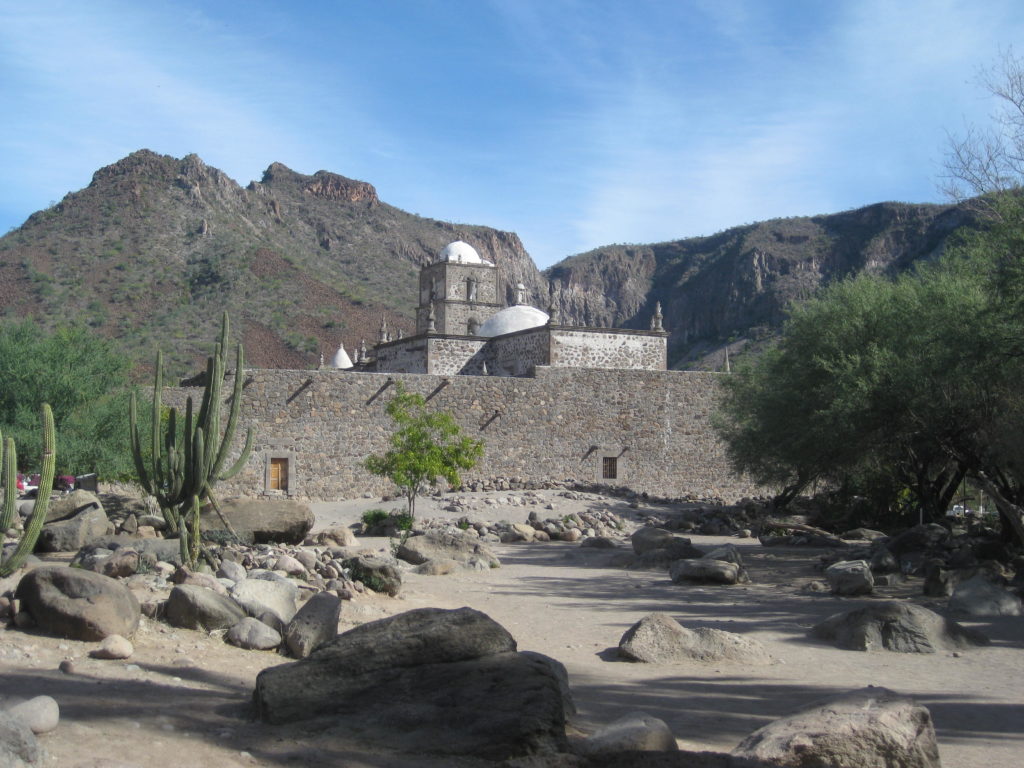
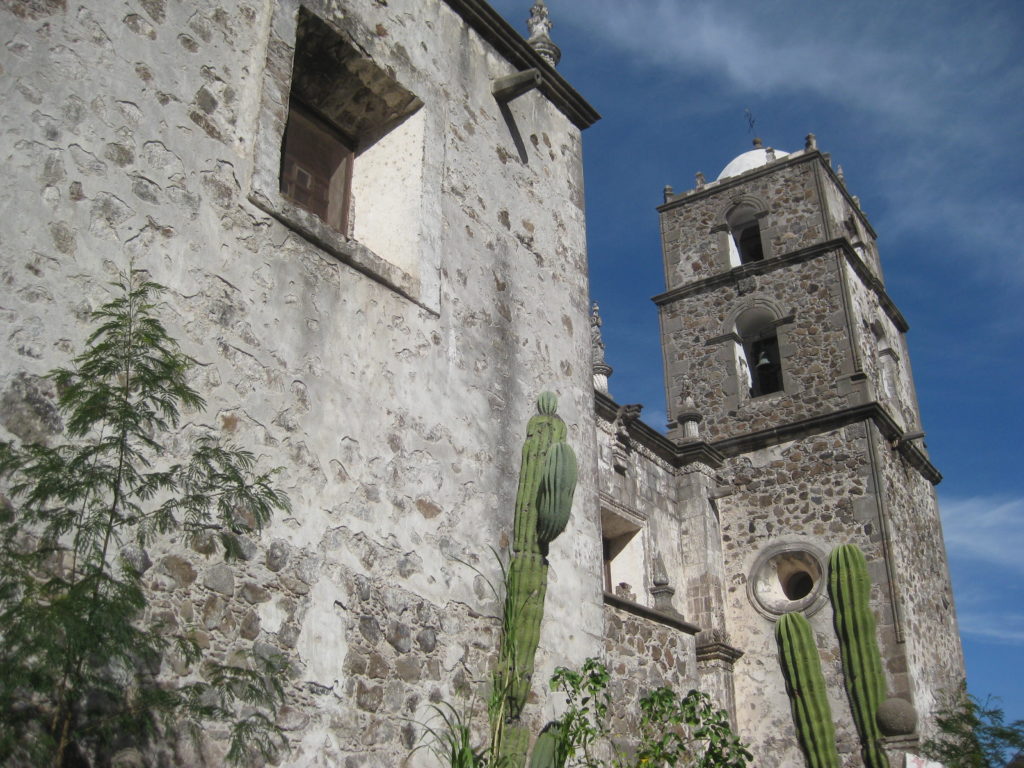
Maps and Plans
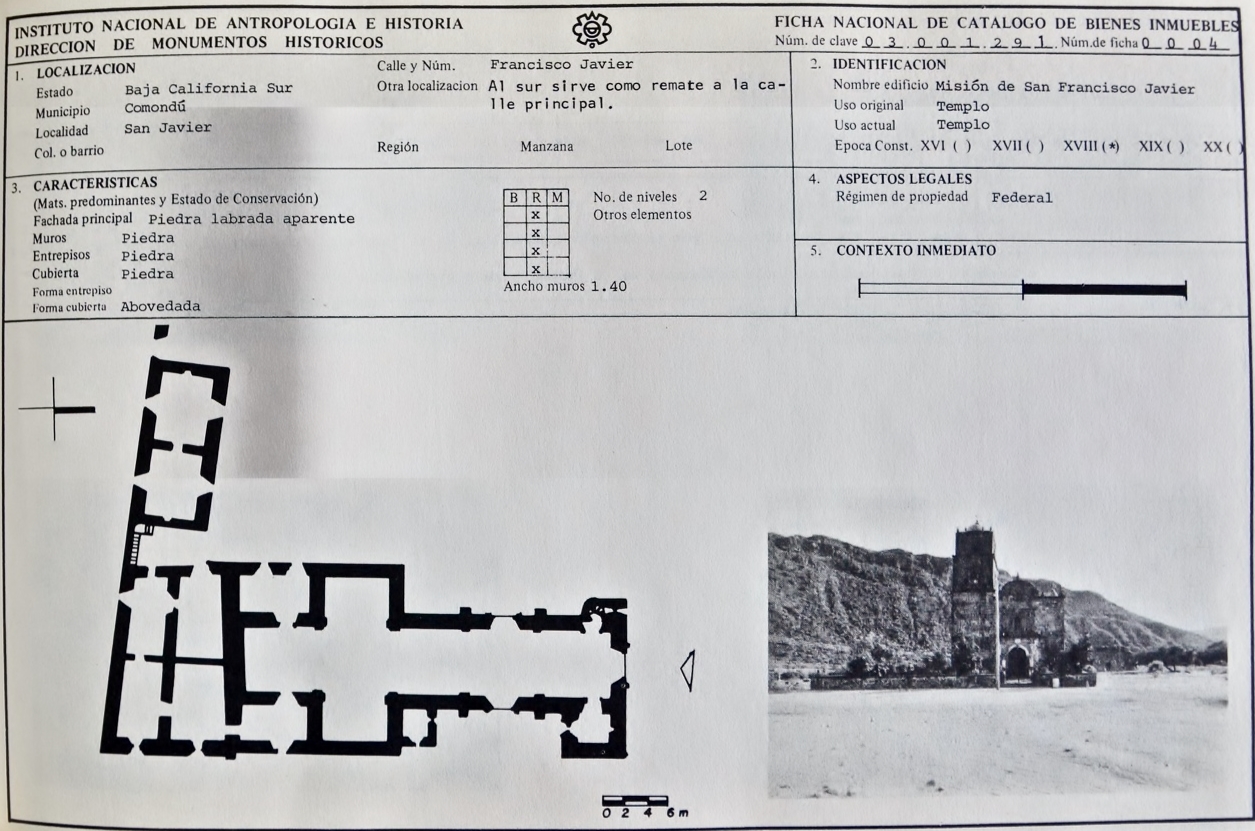
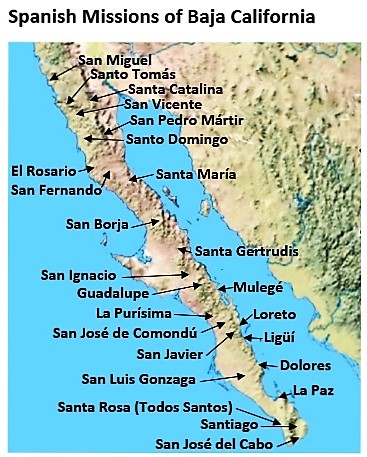

- GPS: 25.860727, -111.543585
- Directions: Highway 1 near Km. 117, south of the Loreto entrance and large bridge. Take the paved road west for 34 kilometers (21 miles).
- Mission San Ignacio in photos: https://vivabaja.com/san-ignacio/
- Mission Santa Gertrudis in photos: https://vivabaja.com/santa-gertrudis/
- Mission San Borja in photos: https://vivabaja.com/san-borja/
- All the missions, quick look and history, north to south: https://vivabaja.com/mission-site-photos/
- VivaBaja.com home page
I hope this was interesting or informative for you! Please be welcome to join our Baja California Land of Missions Book Group, on Facebook: HERE
- All the missions, quick look and history, north to south: HERE
- Other mission photo pages plus more Baja California history: HERE
- VivaBaja.com home page
The following chapter is from my book, Baja California Land of Missions Order your own copy from Amazon Books: HERE
#2 San Francisco Javier de Biaundo (1699-1817)
Having heard of an Indian settlement named “La Vigge” hidden away amid a circle of virtually impassable mountains, Padre Francisco María Píccolo forged his way from Loreto up through rocky arroyos and precipitous passes until he reached the site. The trek was arduous indeed. Thinking the settlement’s name was La Vigge, which to the Indians meant “mountain,” each time he came upon a new group of Indians and inquired of the way to La Vigge, they would send him off to a new series of mountain peaks. At an Indian settlement named Biaundo, he founded Mission San Francisco Javier de Biaundo on May 11, 1699 with financial support from Juan Caballero. This was at today’s Rancho Viejo and about five miles north of the final mission site, developed later by Padre Juan de Ugarte.
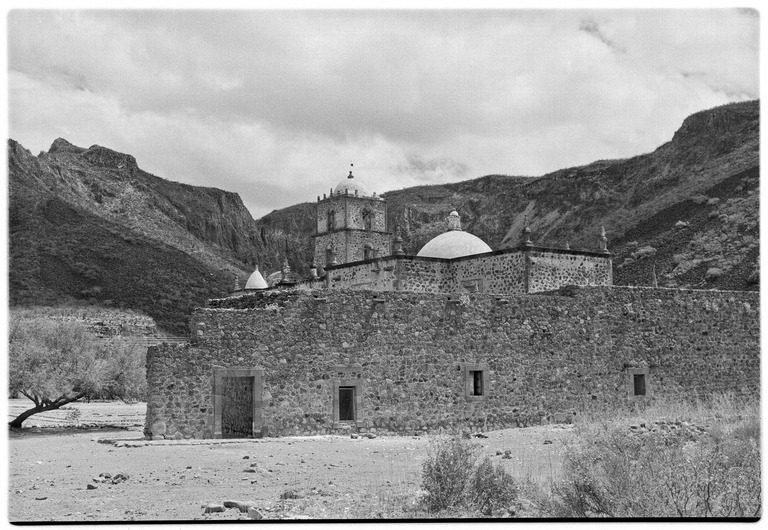
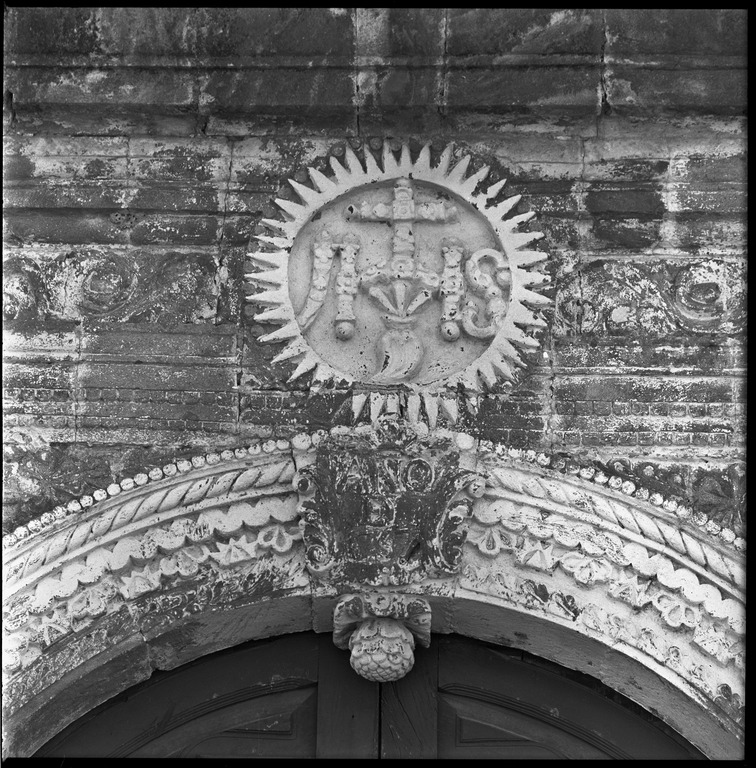
During a drought that occurred around the year 1710, the original mission headquarters was obliged to move to the nearby visiting station and farm of San Pablo, a location that turned out to be so promising that after Padre Juan de Ugarte came to replace Padre Píccolo, he moved the mission there. Costing over a million pesos, possibly gained from profits of pearl fisheries supposedly discouraged by the Jesuits, the ambitious new mission was endowed with a belfry, spires, and altars that required many years of construction. The church was built from 1744 to 1758 and remains as the finest preserved original mission in California. Cut in stone above the lintels of the door is the date 1751. Today it is the most architecturally impressive mission on the peninsula, remaining in good condition, and continues to serve the need for religious functions.
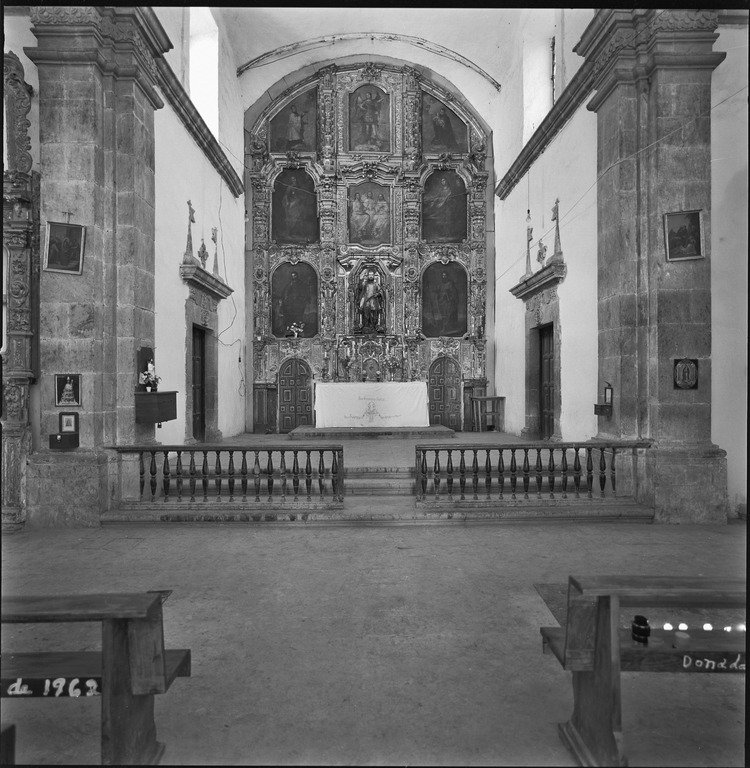
Spectacular black lava cliffs rise hundreds of feet behind it, casting the mission’s white Moorish domes and bell tower into stark relief. To the north, east, and west, great double doorways open into the mission. Within its vaulted interior, light filters through the peninsula’s first stained glass windows, falling on three gold-leaf altars shipped from Mexico and reassembled.
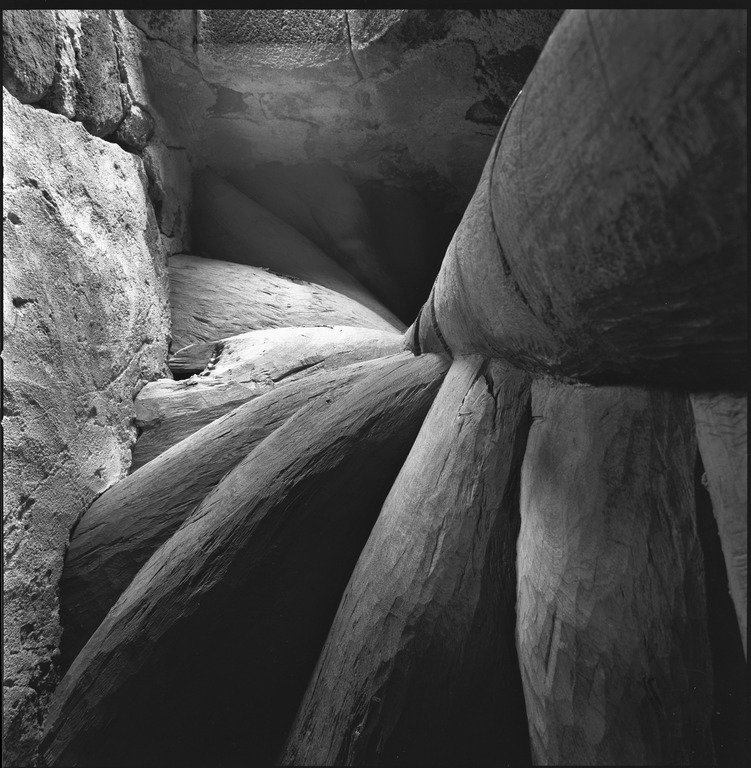
Dominating the main altar is a statue of Saint Francis Xavier, surrounded by eight revered oil paintings of saints and the Holy Trinity. A spiral staircase reaches the choir loft. Presently three bells are in the tower, two dated 1761 and a third 1803. It is interesting that an early Jesuit description of this mission endowed it with eight bells, more than any other mission. Visitas of San Javier include Santa Rosalía (later named Santa Rosalillita), San Miguel (now San Miguel Comondú), and La Presentación. Visita San Miguel was very productive and some Jesuits served there in preparation for their future mission work.
Mission San Francisco Javier reached a high degree of prosperity. The stone mission was constructed under the leadership of Padre Miguel del Barco, who was at San Javier for thirty years beginning in 1738. Of all the peninsula missions, this one is perhaps the most rewarding to visit.
The twenty-two-mile automobile road from Loreto was opened at the end of 1952 and for sixty years was a tough ride usually done in a truck or Jeep. A paved highway now connects Loreto with San Javier, but it is subject to washouts after summer storms.
Missionaries recorded at San Javier:
Jesuit
Francisco Píccolo 1699-1703
Juan de Ugarte 1702 and 1704-1730
Juan Basaldúa 1703-1704
(Mission moved in 1710)
Juan Mugazábal 1718-1719
Agustín Luyando 1730-1738
Miguel Barco 1737-1768
Franciscan
Francisco Palóu April 5, 1768
Fernando Parron 1768
Juan Escudero 1769-1771
Ramón Uson 1771-1772
Vicente Santa María 1772-1773
Dominican
Manuel Pérez (to 1794) and Domingo Ginés May 15, 1773
Gerónimo Soldevilla 1784-1810
Mariano Yóldi 1791-1792
Miguel Gallégo 1794
Romantino de la Cruz 1812
See the other mission pages: https://vivabaja.com/baja-mission-albums/