In 1802, the El Rosario mission (founded in 1774) moved two miles down the valley and across the river, after the spring by the mission failed. It was now located close to the river and farmlands. While the mission’s official name was Nuestra Señora del Rosario de Viñadaco, after the move the new location was known as Rosario de Abajo (Lower Rosario) and the former location as Rosario de Arriba (Upper Rosario).
Full name: Nuestra Señora del Rosario de Viñadaco. After the move of 1802, this second site was known as Rosario de Abajo.
Founding date: July 24, 1774 (relocated 2 miles west in 1802) Mission #19
Catholic Order: Dominican
Founded by: Padre Francisco Galistéo
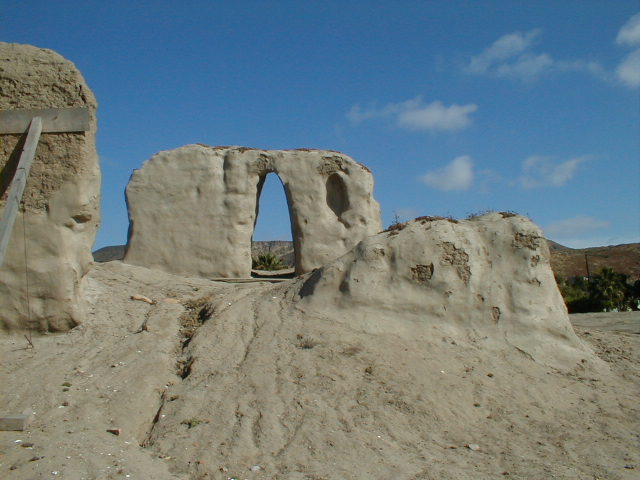
Condition: Adobe ruins at both sites
Closing date: Closed in 1822
GPS/ Access: 30.041389, -115.739111 (second site) Mex. #1, Km. 57.5, south of San Quintín, 2 miles west.
2025 photos by David Kier & Dave W.
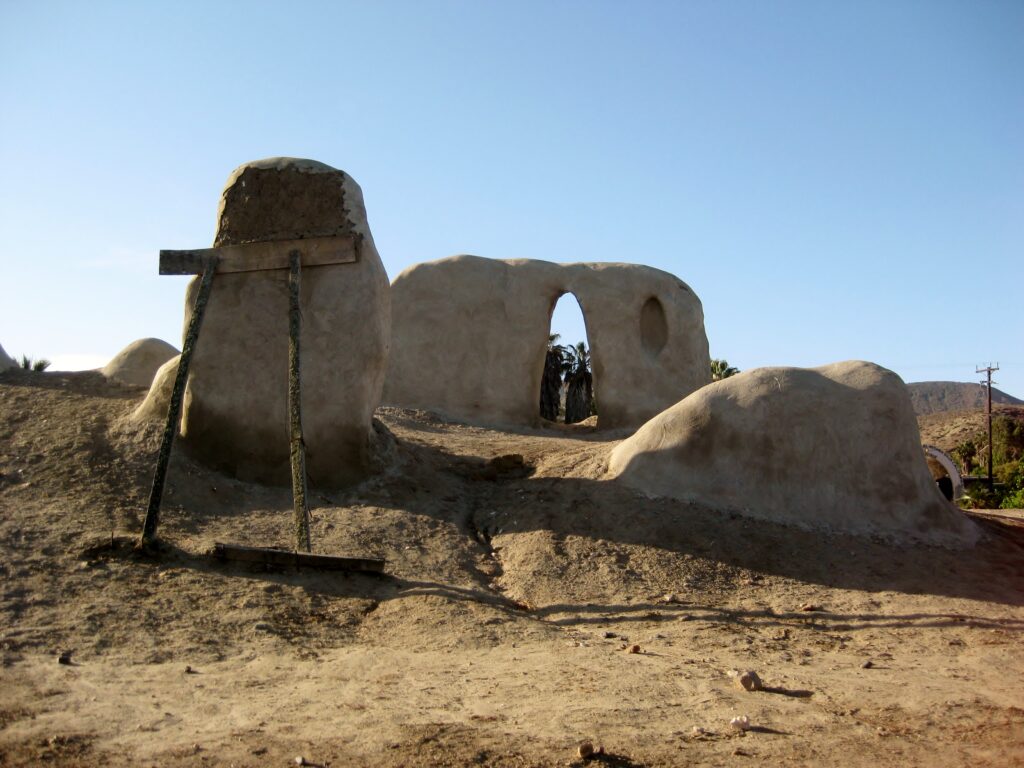
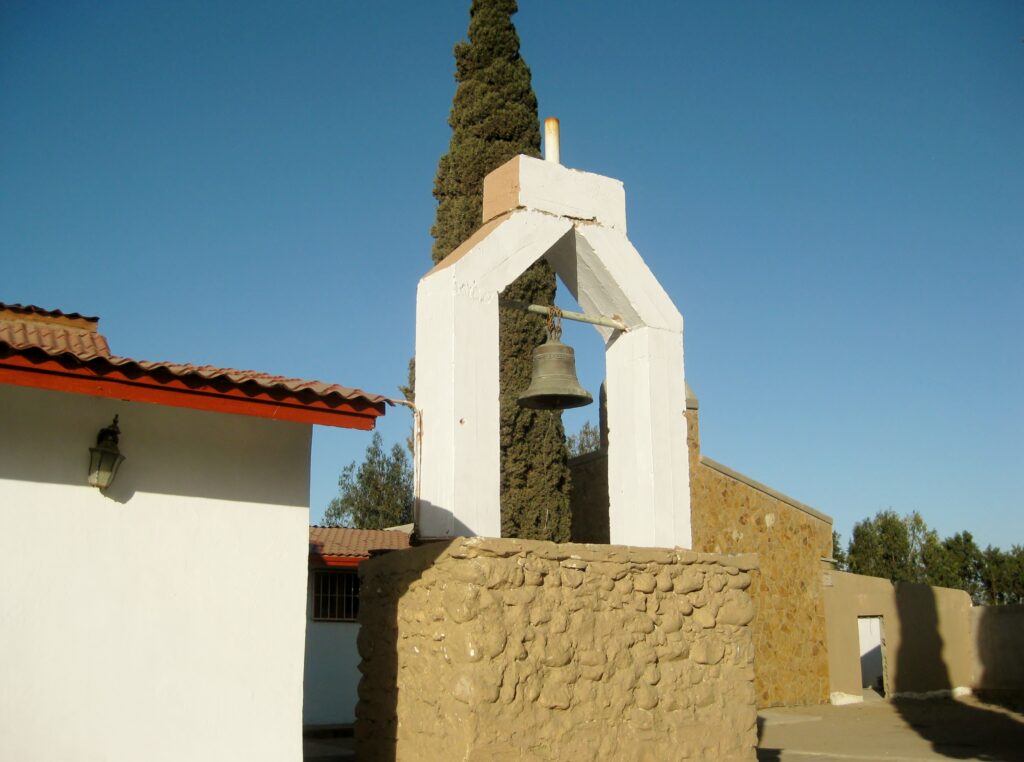
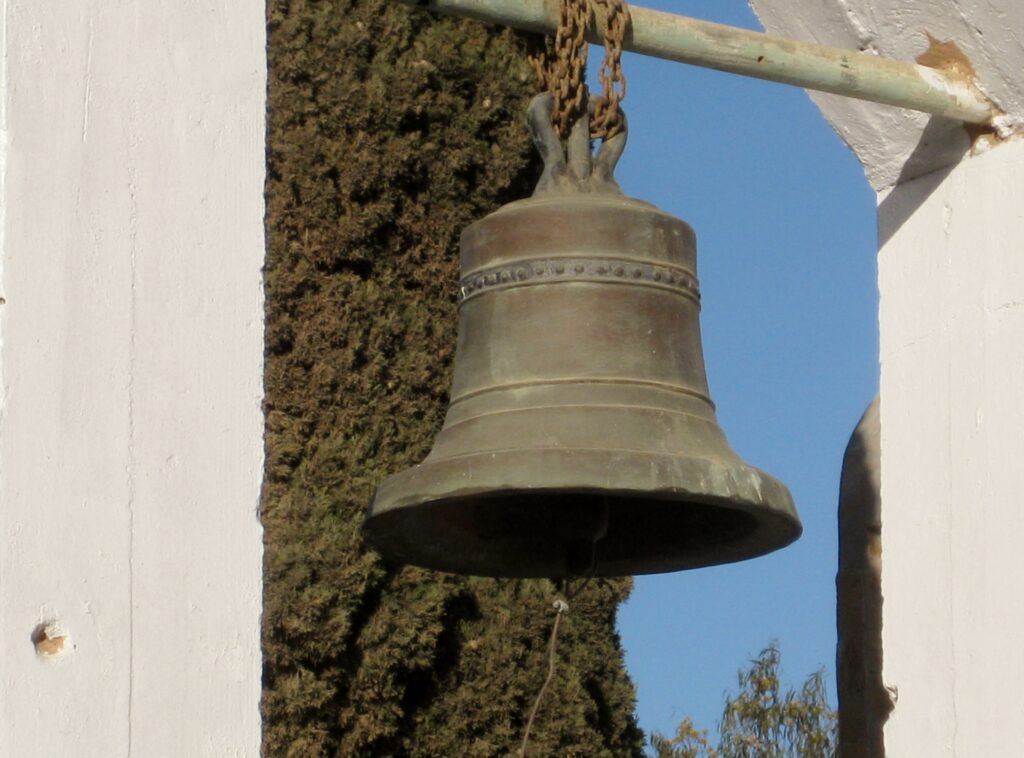
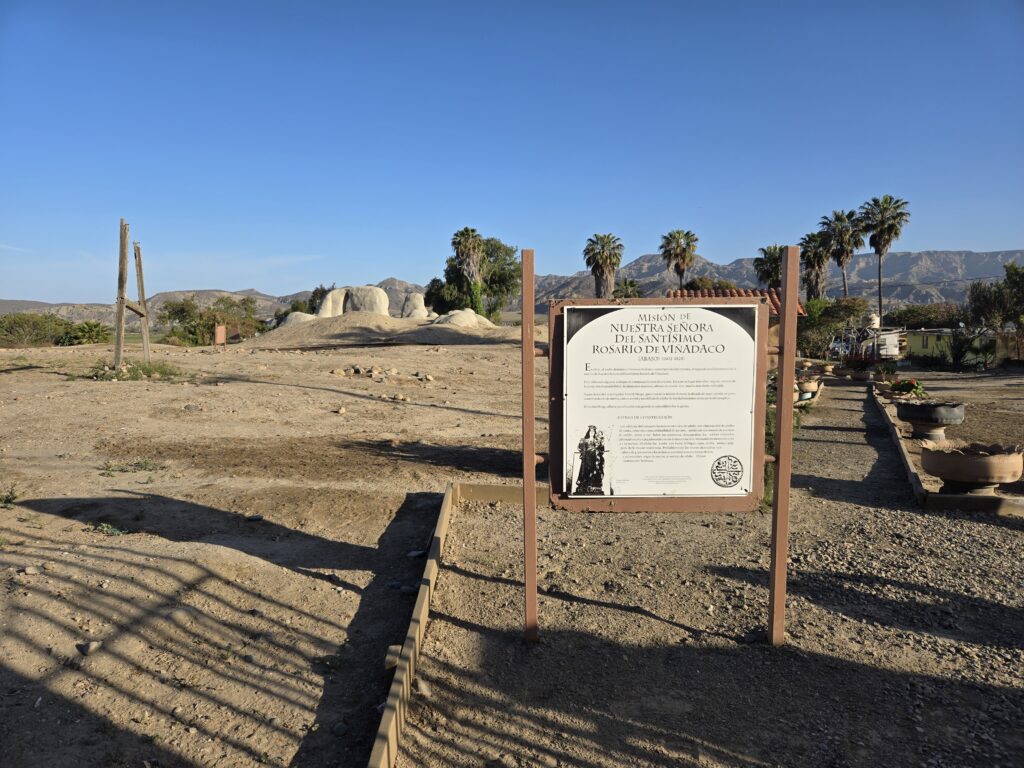
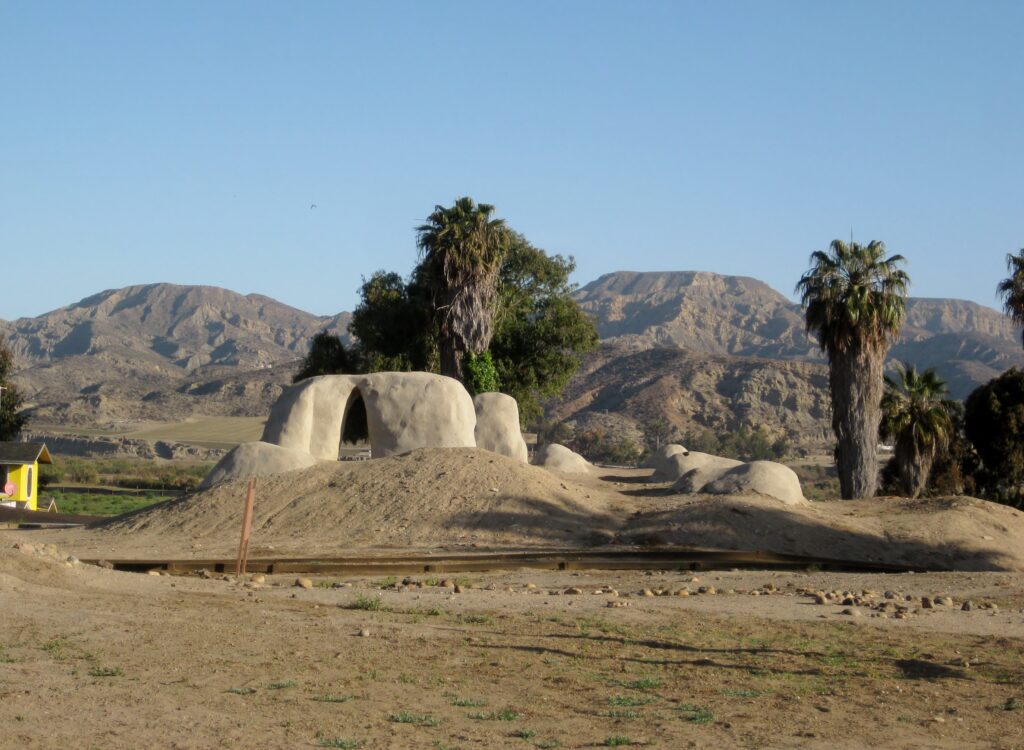
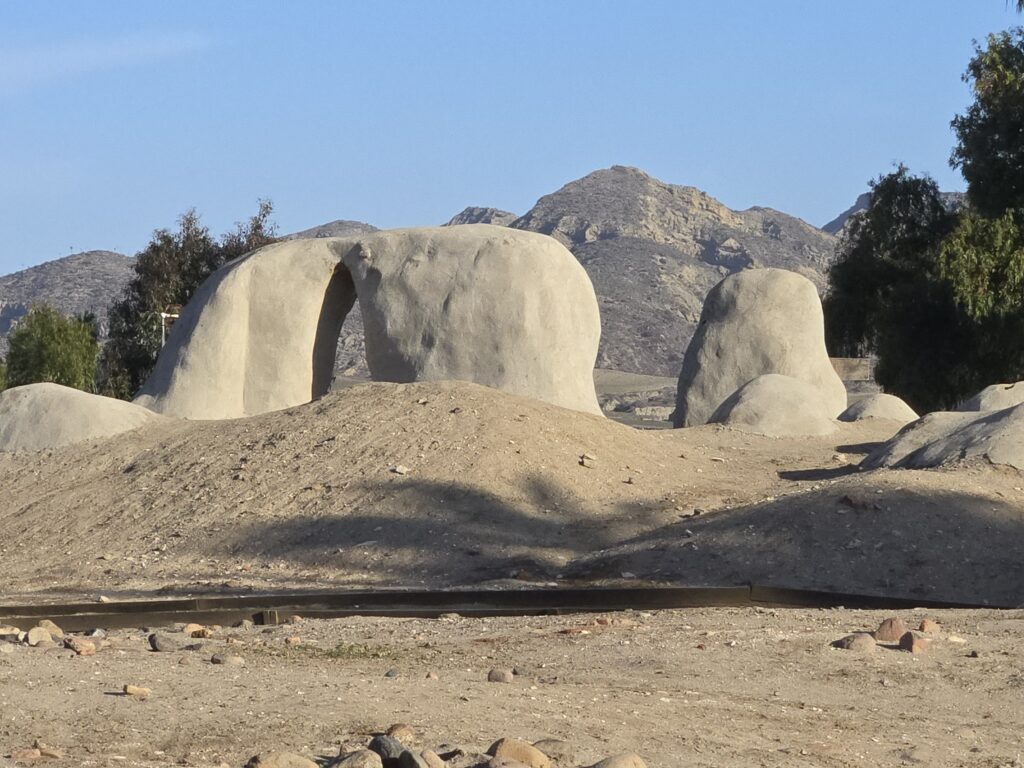
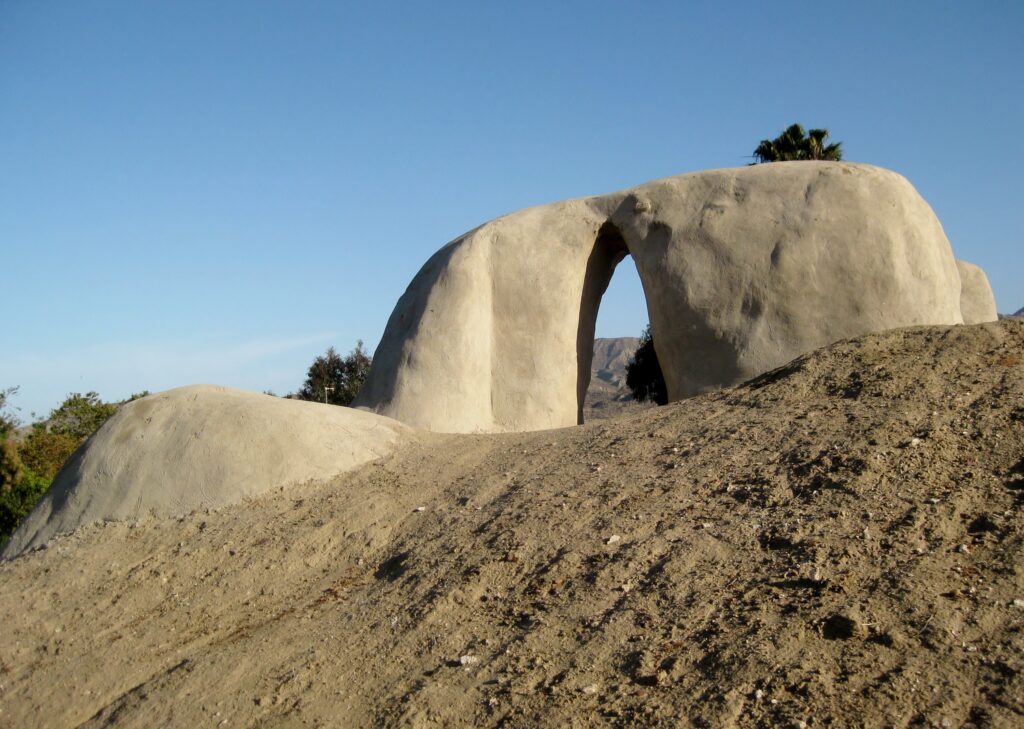
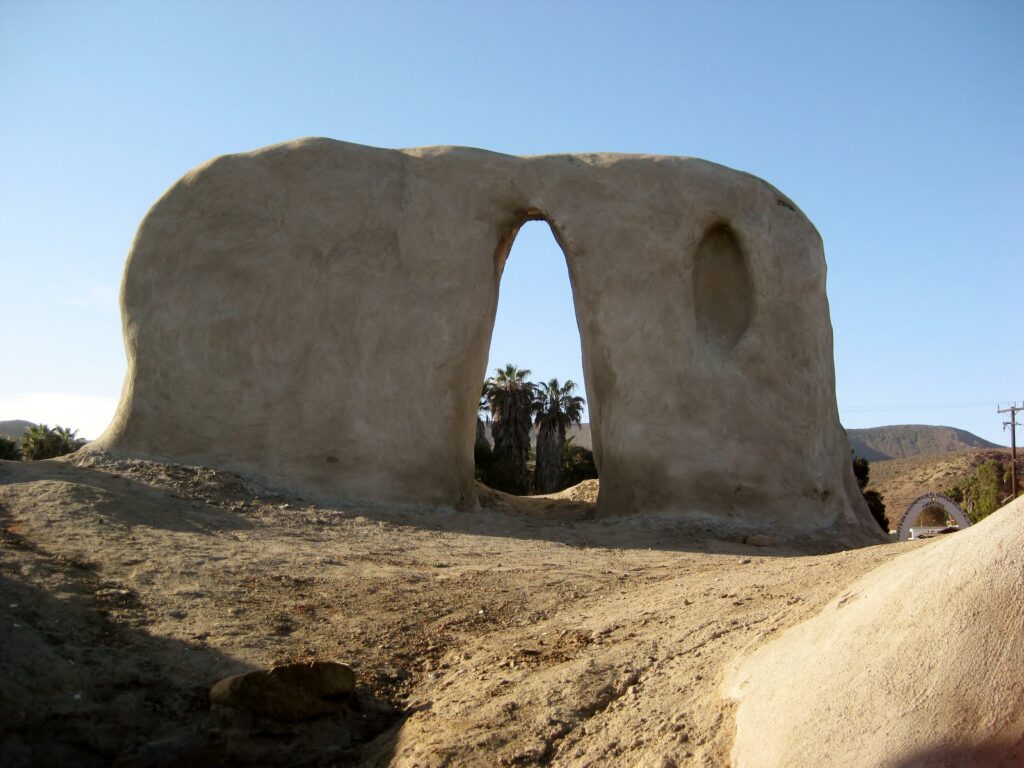
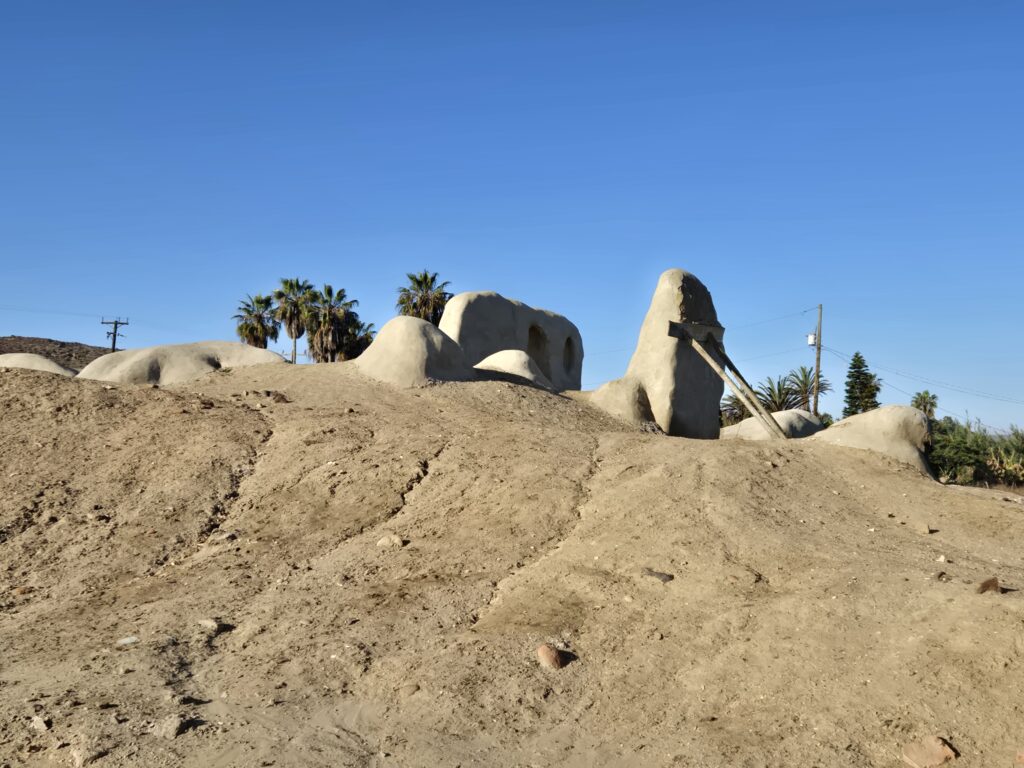
2017 photos by David Kier
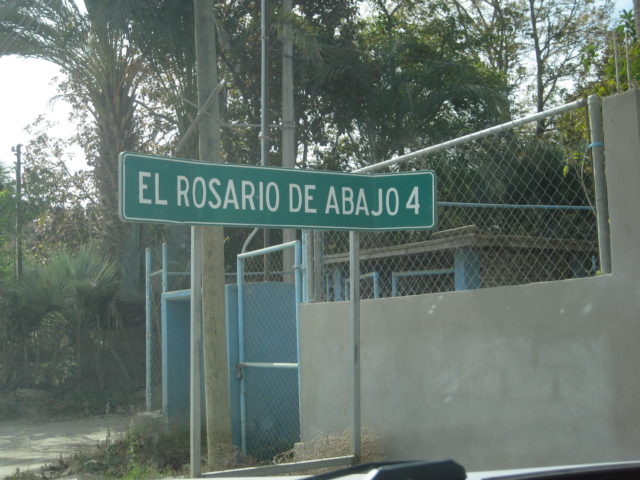
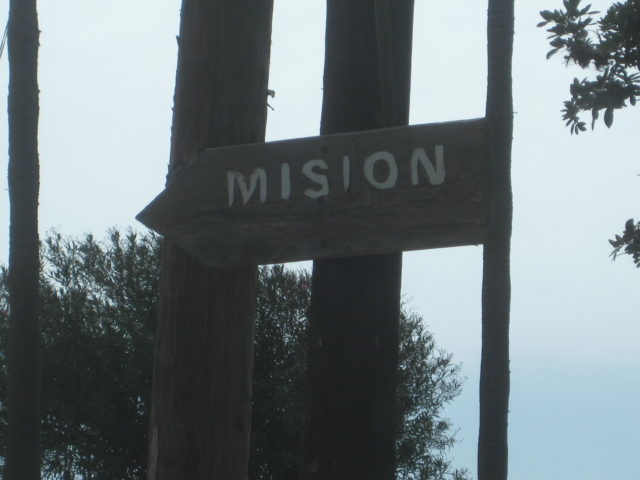
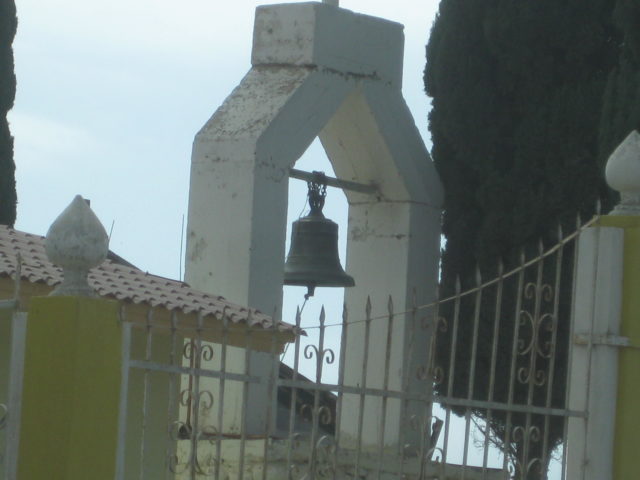

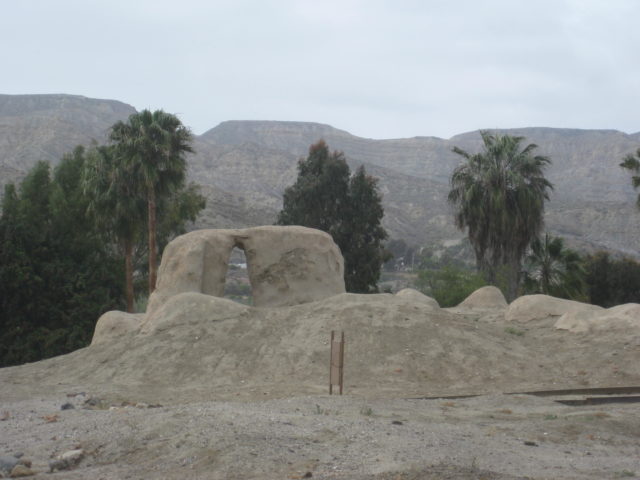
2014 photo by David Kier
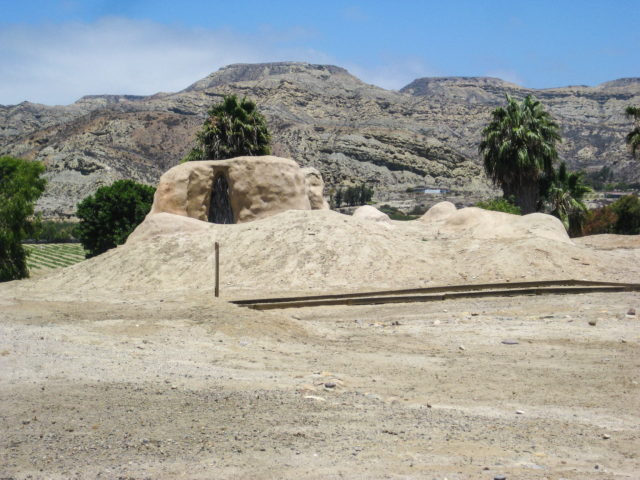
2011 photo by David Kier
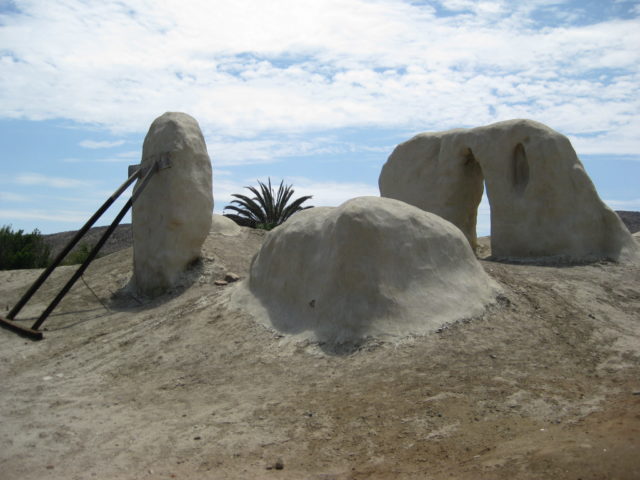
2005 photos by David Kier
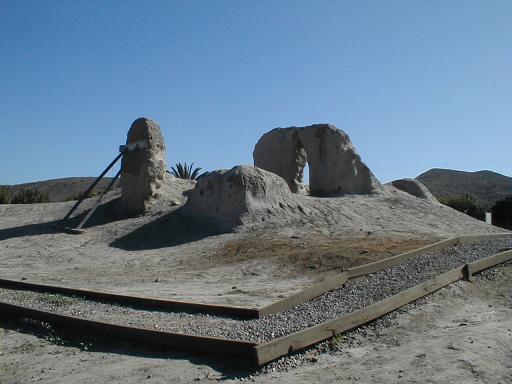

1961
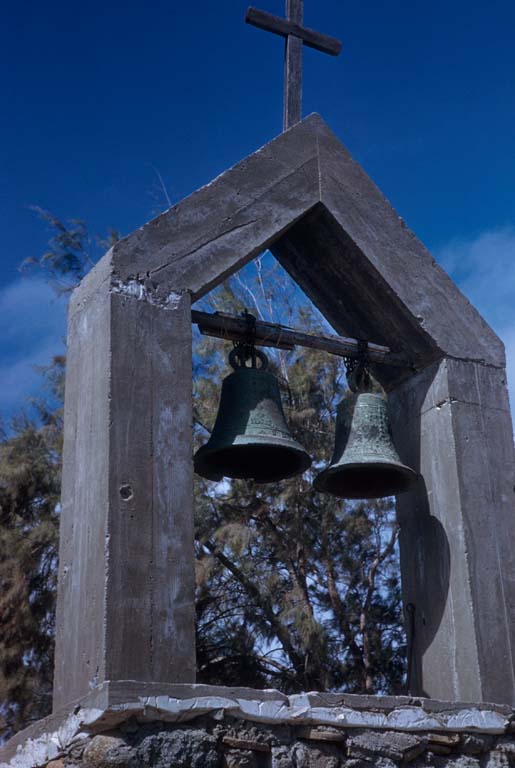

1958
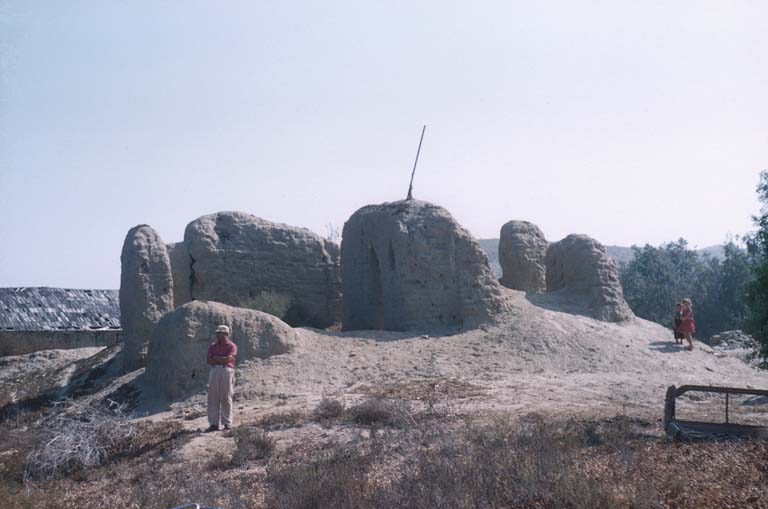
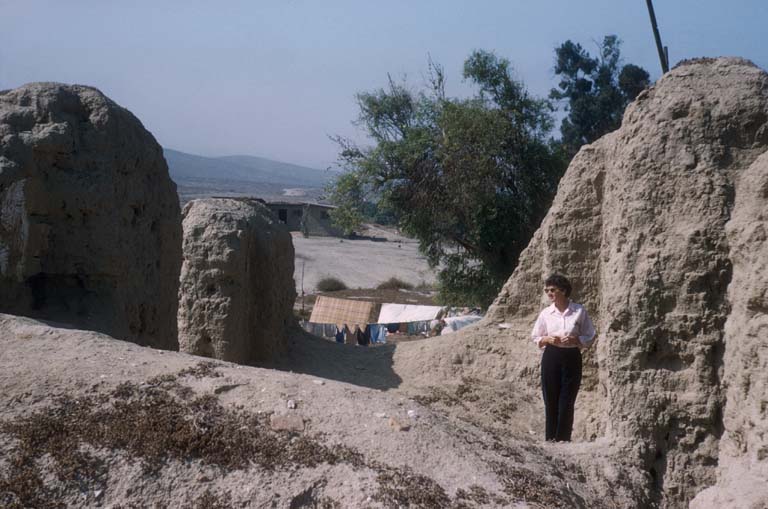
1949

1930s
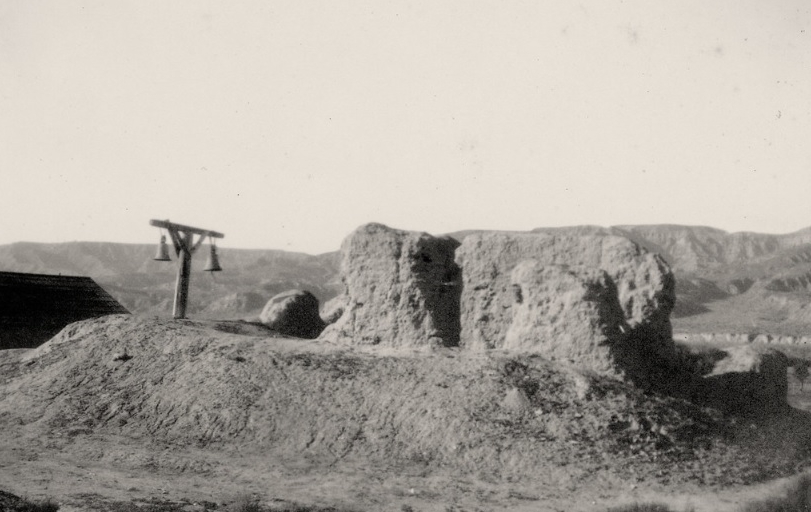
1925

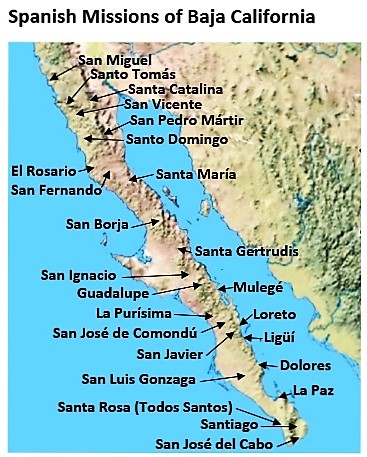
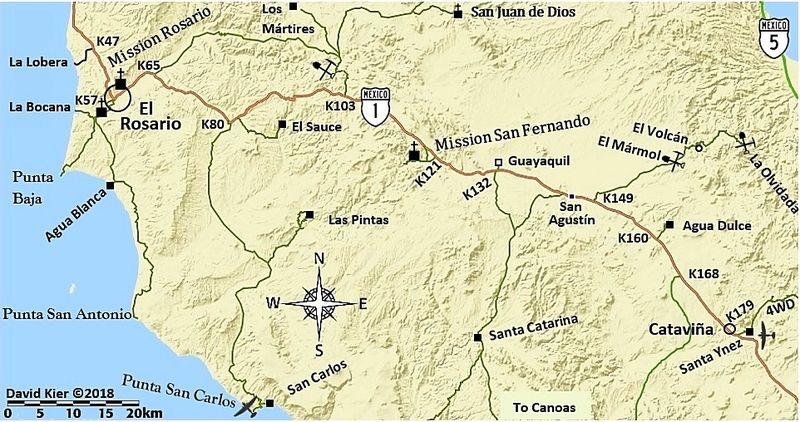
- GPS: 30.041389, -115.739111
- Directions: Go west 2 miles from the sharp curve in highway, across river, continue west. Ruins are on the right.
- Mission Rosario de Arriba in photos: https://vivabaja.com/rosario-de-arriba/
- Mission Santo Domingo in photos: https://vivabaja.com/santo-domingo-in-photos/
- Mission San Fernando in photos: https://vivabaja.com/san-fernando/
- All the missions, quick look and history, north to south: https://vivabaja.com/mission-site-photos/
- VivaBaja.com MISSIONS SECTION: https://vivabaja.com/missions1
Site Plans from Peveril Meigs, mid-1920s
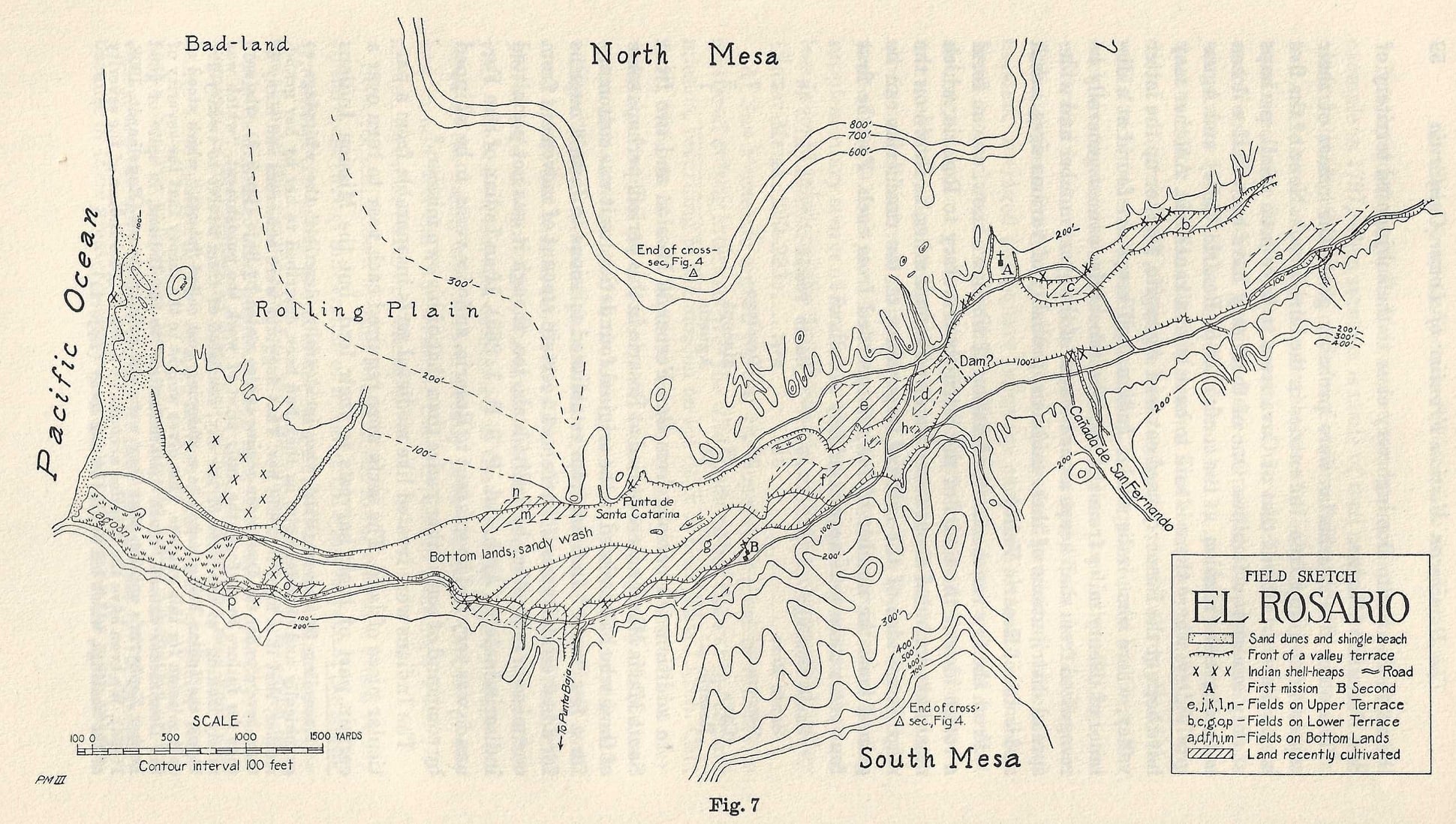
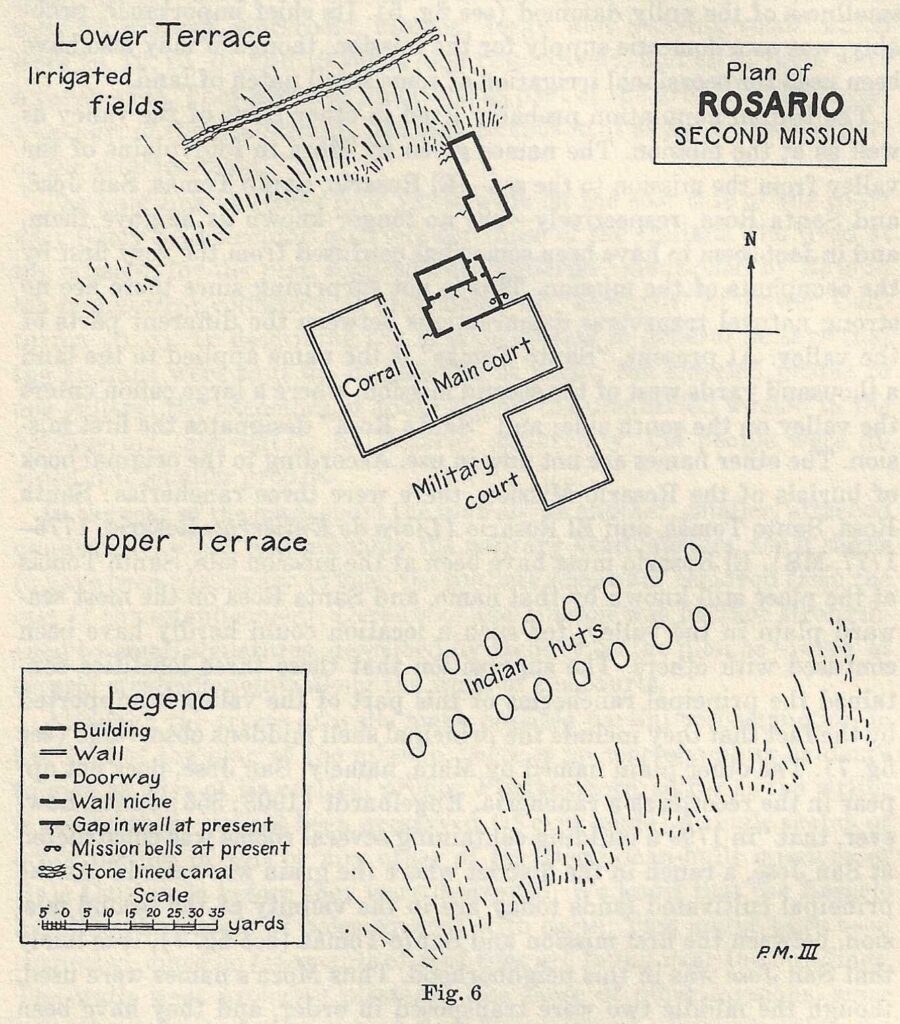
Site Plan from INAH

I hope this was interesting or informative for you! Please be welcome to join our Baja California Land of Missions Book Group, on Facebook: HERE
- All the missions, quick look and history, north to south: HERE
- Other mission photo pages plus more Baja California history: HERE
- VivaBaja.com home page

The following chapter is from my book, Baja California Land of Missions
Order your own copy from Amazon Books: HERE
#19 Nuestra Señora del Rosario de Viñadaco (1774-1822)
El Rosario was the first California mission founded by the Dominican Order, just a year after assuming responsibility for over a dozen Jesuit-founded missions and one mission founded by the Franciscans. The site for El Rosario was known to the Cochimí Indians as Viñadaco (also spelled Viñaraco or Viñatacót). The valley was investigated by Dominican President Padre Vicente Mora in late 1773. He found freshwater pools, and after digging some wells, tapped into a flowing spring of water. The first mission location is on the north side of the river valley and five miles from the ocean. No better location for a mission was found at the time than this one at Viñadaco.
Padre Francisco Galistéo founded the mission on July 24, 1774, after he had already begun priestly duties, such as performing a marriage three days earlier.
Padre Galistéo served at El Rosario until the end of 1779. However, he had assistance from Padres Manuel Hidalgo, Manuel Pérez, José Aivár, and Pedro Gandiága. Padre Luis Sáles also performed baptisms in 1778. Padre Sáles was the only Dominican to have his letters published in a book, Observations on California, 1772-1790.
In 1790, Padre Luis Sáles wrote the following:
“In the year 1774 we were given an order to explore some territories in which to found new settlements and to establish the conquest of the heathen, and this in spite of the fact that the Franciscans had explored the locations indicated by the King and reported them as useless. Nevertheless, whether because of rains or the freshets of the arroyos, or other circumstances which I omit, a place with many heathen, called Viñatacót, was found, which served for the foundation of a mission named Nuestra Señora del Rosario, and it has turned out so prosperous that today it is one of the richest settlements, supplying much grain to maintain the neighboring Indians.”
Several Dominicans entered their names in the mission record books of El Rosario, and the books, which recorded baptisms, marriages, and deaths, have been preserved into modern times. A report in 1793 describes the church constructed of adobe one-hundred-thirty feet by twenty-five feet in size. There was also a room for the priests to reside in. A room twenty-two feet long was added in 1798. In 1800, four rooms were added for storage, weaving, a kitchen, and a forge; all were made of adobe.
The neophyte population numbers at El Rosario were reported as being 564 in 1776, after which epidemics took their toll dropping the population to 251 in 1782. An increase to 390 was reported in 1793, then a drop to 257 in 1800, 199 in 1808, and just 38 in 1829.
In 1802 the mission was moved two miles west and closer to the river, after the spring dried up at the first site. One story says that the spring was buried by a flood-caused landslide. The first site is locally referred to as El Rosario de Arriba (Upper Rosario), the second site as El Rosario de Abajo (Lower Rosario). The second site had been an Indian ranchería named San José. A multi-room adobe building was erected at San José in 1799. The second mission location was not only closer to the river but also closer to the ocean and had more land available for cultivation. The new mission church was made of massive earthen walls on a foundation of mortared stones. The doorway was a pointed Gothic arch, something unseen at other California missions built in the same period. The walls were coated with white plaster that would have been brilliant and visible from great distances. The El Rosario mission was perhaps the most stable and successful of the Dominican missions.
The date the mission was closed is not clear. The last resident priest left in 1822, as had many other Dominicans once Mexico became independent of Spain. El Rosario’s mission continued to be served by the few remaining Dominicans from other missions. The last Dominican in the region was Tomás Mansilla, as he was traveling south in 1850.
When Mexican farmers moved into the valley, they made use of the abandoned mission tiles and other coverings for their own homes and barns. The adobe walls became exposed to rain and have slowly been eroding back to the earth. Efforts to stabilize the remaining walls with a plaster coating as well as installing gravel walkways have been made in recent years at both Rosario mission sites.
The first mission site is just off of Highway One, in the town of El Rosario. Go 0.8 mi southbound from the Baja Cactus motel and gas station and turn uphill for just a few hundred feet. The second mission site is across the river in the small village of El Rosario de Abajo. Turn right (west) where Highway One makes a sharp left (east) curve, just past Baja Cactus Motel and Mama Espinoza’s restaurant. Then, turn left (south) at the next street in a few hundred feet and cross the river. Head west, going 1.6 miles from Highway One. The ruins are on the right (north) as you drive west through the village of El Rosario de Abajo.
Dominican Missionaries recorded at El Rosario:
Francisco Galistéo (to 1779) July 24, 1774
Miguel Hidalgo 1774 and 1780
Manuel García 1775
José Aivár 1775-1783
Manuel Pérez 1775-1788
Luis Sáles 1778
Antonio Luésma 1781-1783
Juan Antonio Formoso 1783-1788
José Estévez 1785-1787
Pedro de Acebedo 1787-1788
Pedro Gandiága 1788-1791
Miguel Abád 1789-1791
Tomás Marín 1790-1793
Jorge Coéllo 1790-1791
Ricardo Texéyro 1791-1792
Vicente Belda 1792-1798
Juan María Salgado 1794-1795
Ramón López 1797
Juan Ríbas 1797-1803
Antonio Lázaro 1799
José Caulas 1799 and 1806-1814
Segismundo Fontcubierta 1800-1801
Raymundo Escolá 1802-1807
Antonio Menéndez 1814-1815
José Jimeno Viéytez 1817
José Martín 1817-1818
José Duro 1818-1819
Francisco Troncoso 1819-1822 (last resident missionary)
Antonio Menéndez 1822-1825 (from San Vicente)
Tomás Mansilla 1829 and 1844 (from Santo Tomás)
See the other mission pages: https://vivabaja.com/baja-mission-albums/