Full name: El Descanso
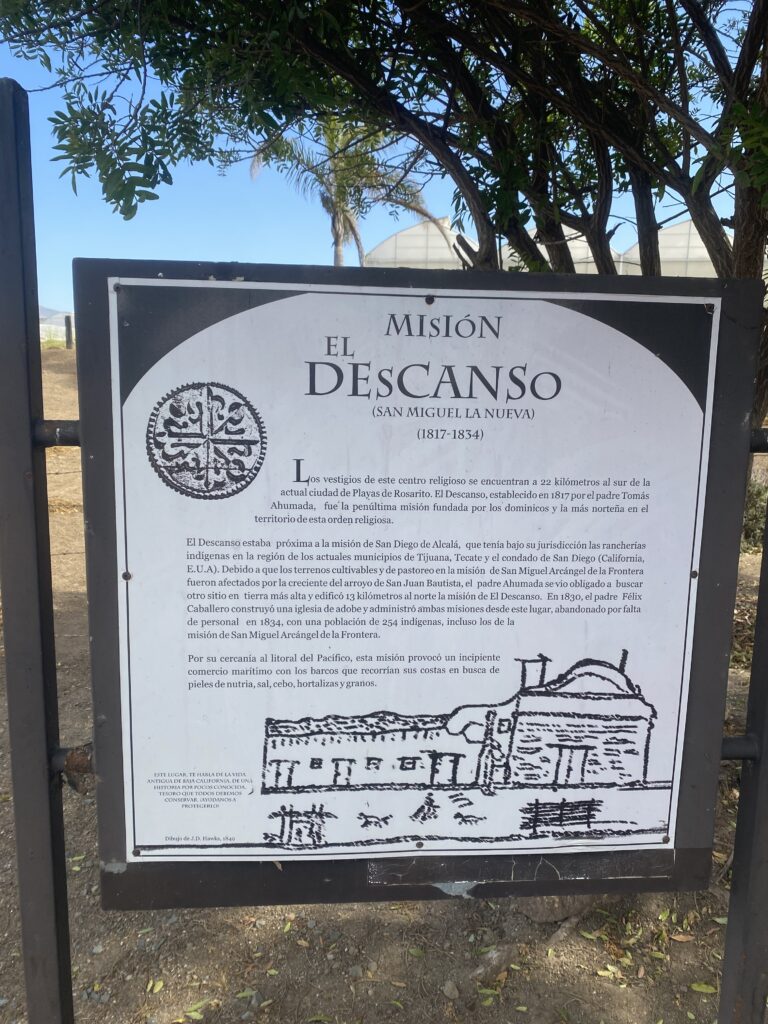
Founding date: 1830 (near the 1810 relocated San Miguel mission site) Mission #26
Catholic Order: Dominican
Founded by: Padre Felix Caballero (well after Mexico’s independence from Spain)
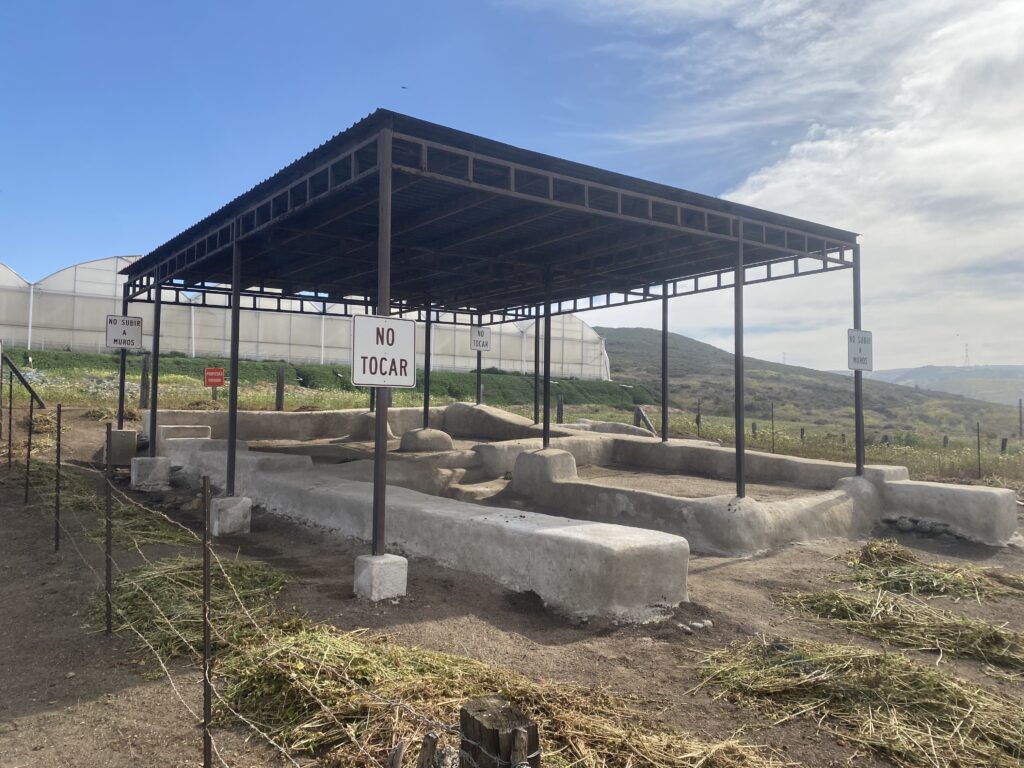
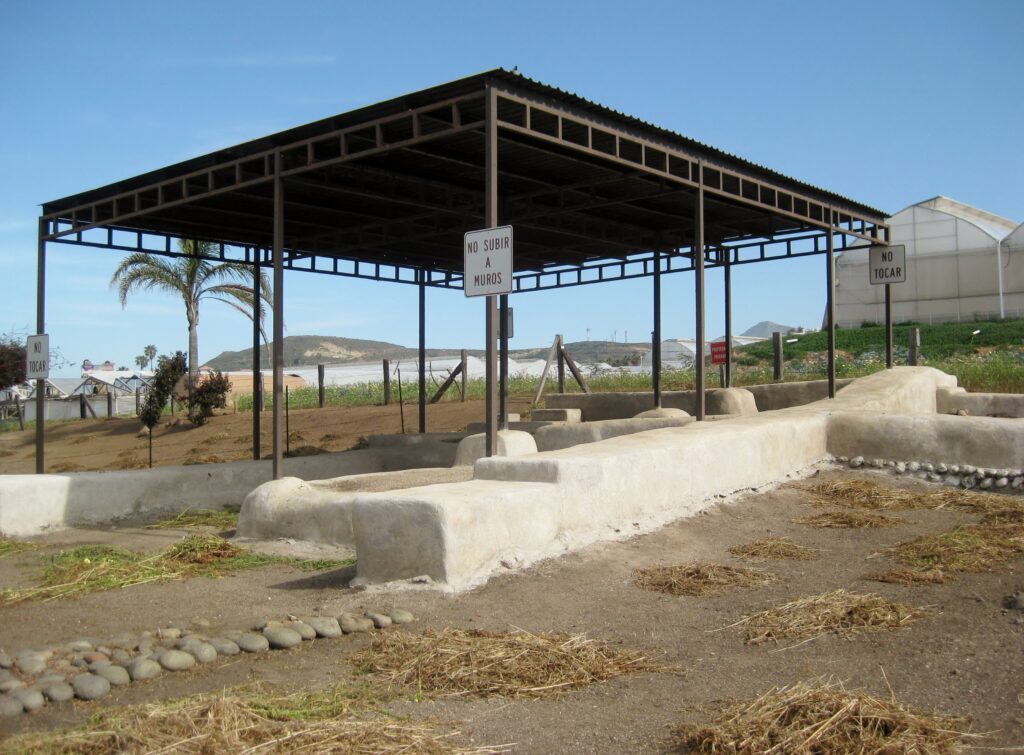
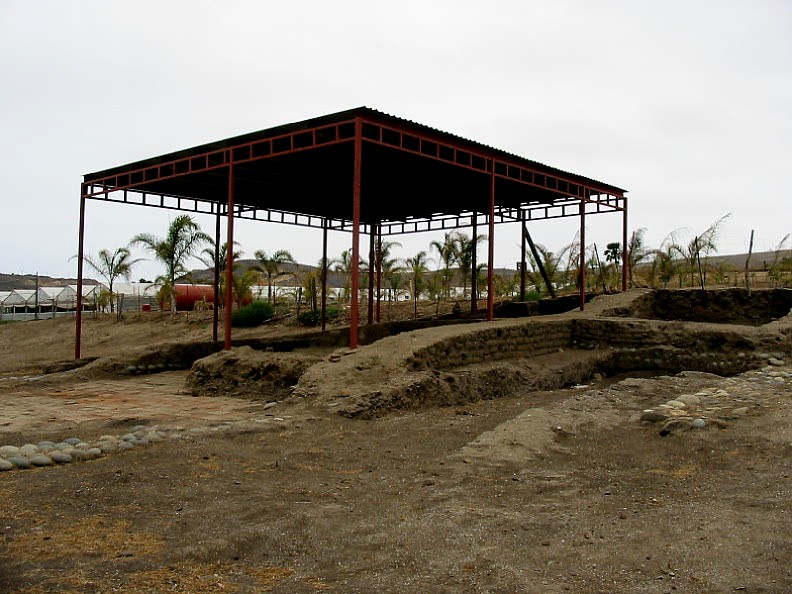
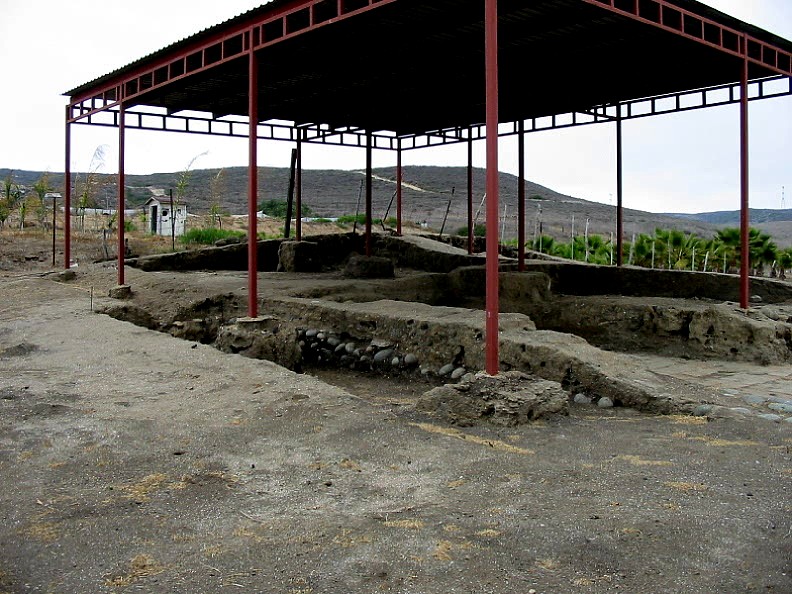
Condition: Floor and footings exposed and protected, next to the modern church.
Closing date: Abandoned in 1834
GPS: 32.205433, -116.905558
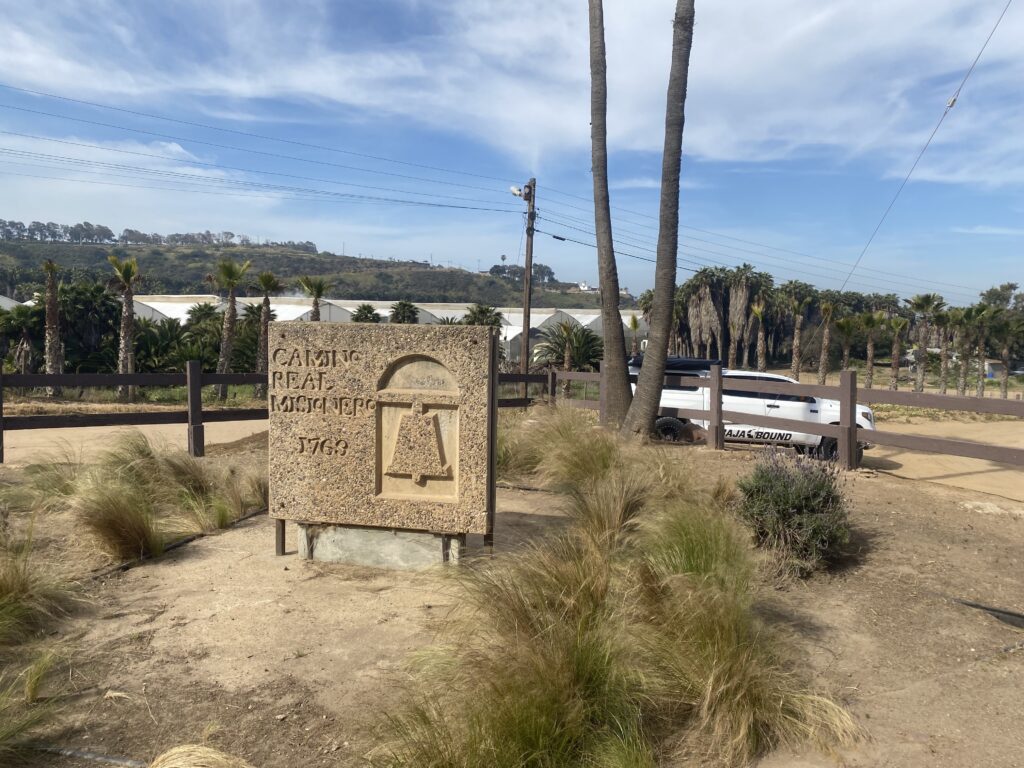
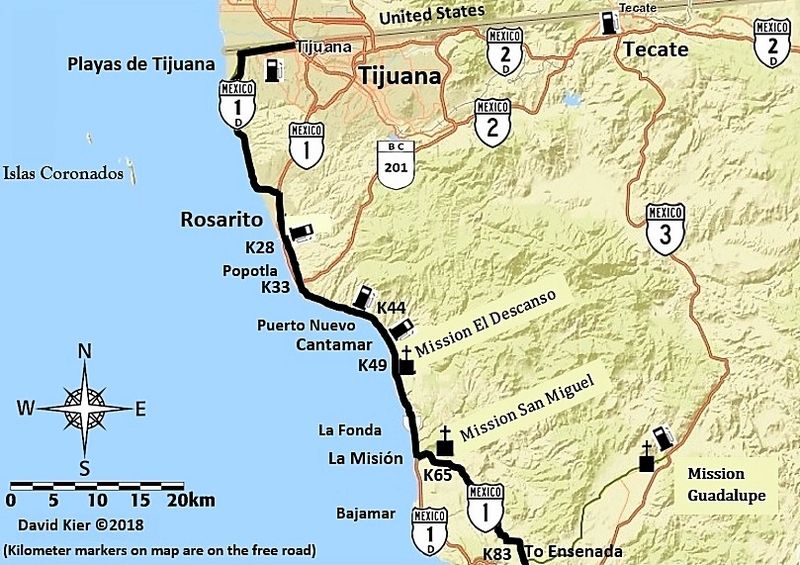
Access: Mex. #1, Km. 49, south of Tijuana, 1/2 mile east.
Read more: CLICK HERE
May 2025 photos by Dave W. & David Kier:


October 2017 photos by David Kier


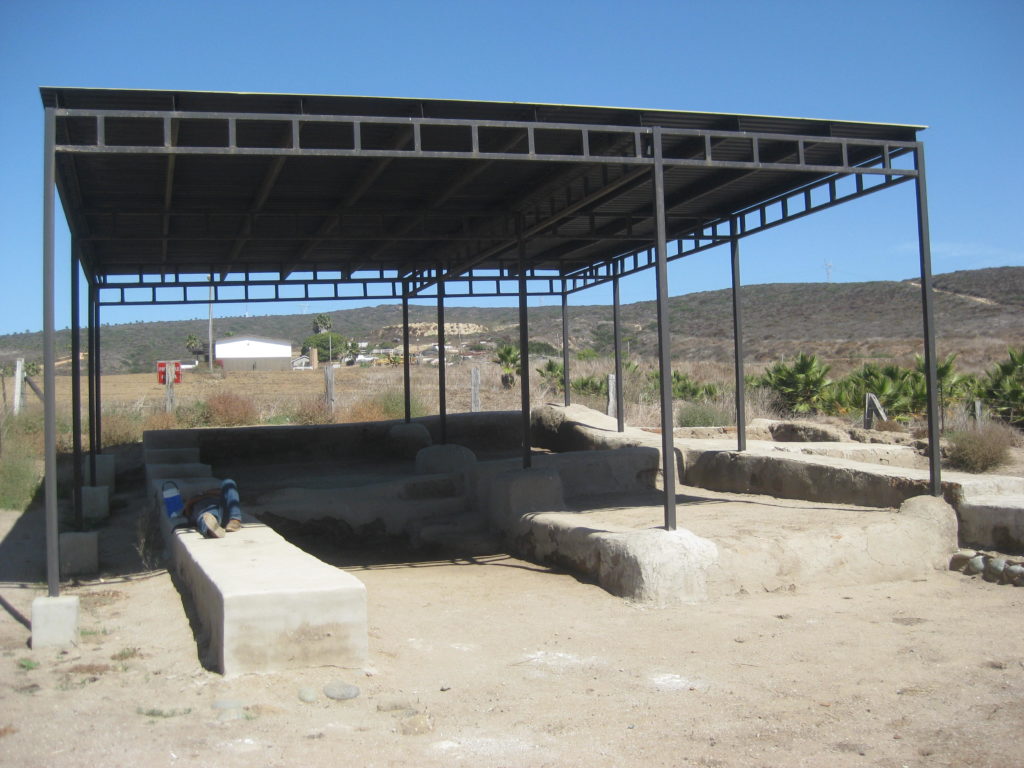


July 2003 photos from Jack Swords ©

1956 photo by Howard Gulick of new church under construction on mission site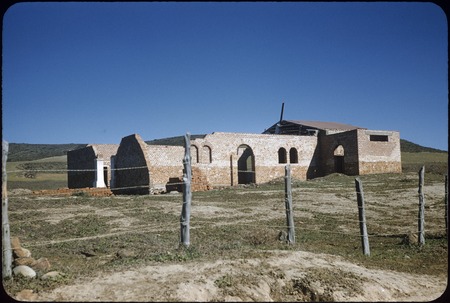
1949 photo by Marquis McDonald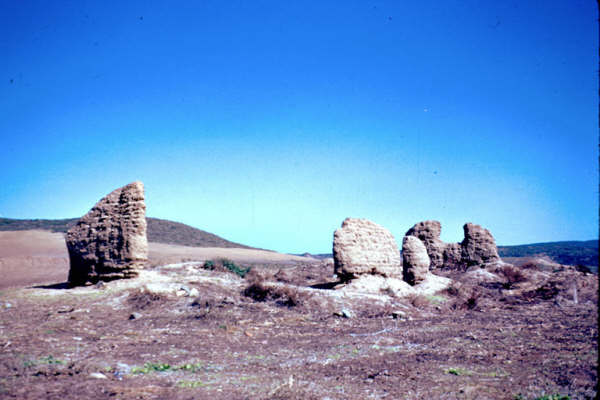
1936 photo
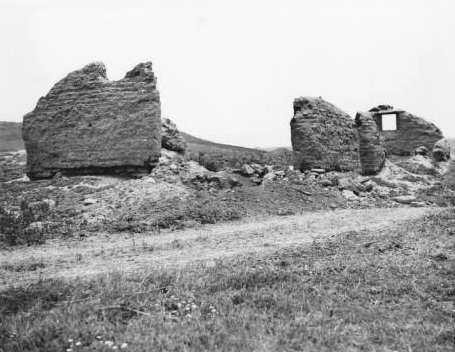
1927 photo by Peveril Meigs

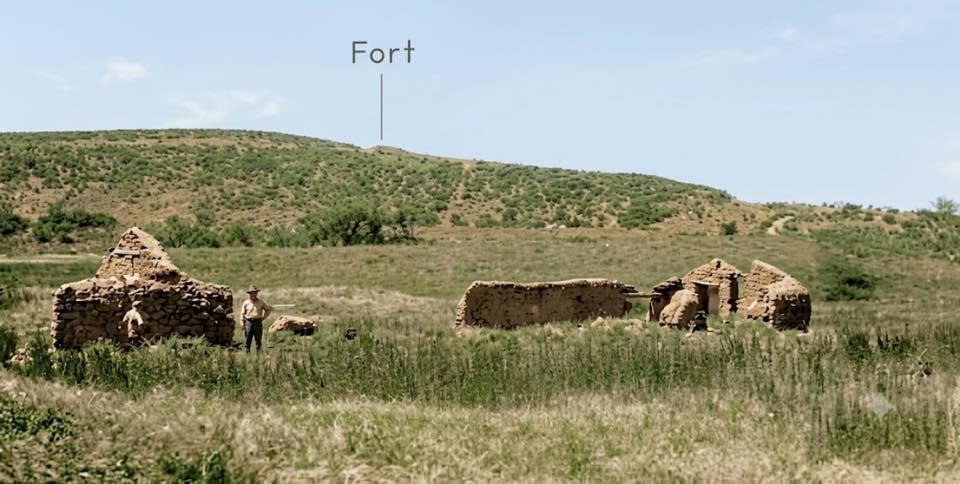
Up, at the ‘fort’, in 2003 (Jack Swords photo): Mission San Miguel ‘la Nueva’ (1810-1814)

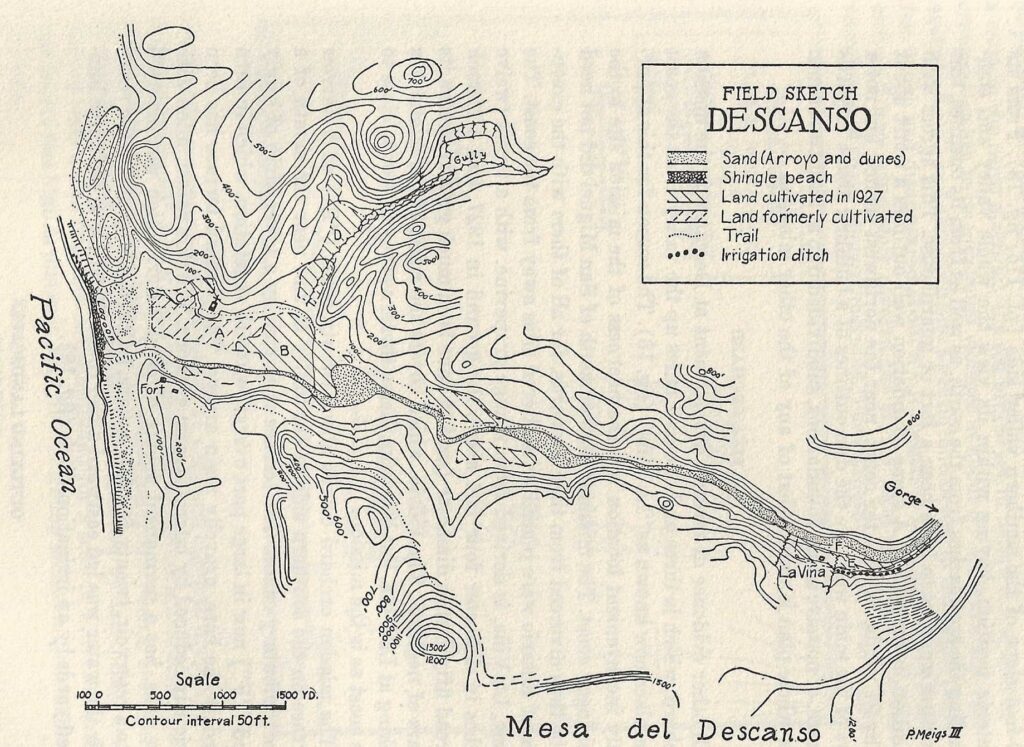
1927 site plan from Peveril Meigs

Regional Map
I hope this was interesting or informative for you! Please be welcome to join our Baja California Land of Missions Book Group, on Facebook: HERE
- All the missions, quick look and history, north to south: HERE
- Other mission photo pages plus more Baja California history: HERE
- VivaBaja.com home page
The following chapter is from my book, Baja California Land of Missions Order your own copy from Amazon Books: HERE
#26 El Descanso (1810-1834)
The history of El Descanso is told without the usual documentation available for most missions. From the few notes and letters that have survived, we know that Padre Tomás de Ahumada arrived at his new post at Mission San Miguel in mid-1809. Not long after his arrival, a flood devastated the mission’s fields. By 1810, Ahumada had relocated the mission to El Descanso, eight miles north.
Perhaps the biggest question is if El Descanso is truly a separate mission at all or just an alternate location for San Miguel. The El Descanso site was often called “San Miguel la Nueva” (New San Miguel) by the Dominicans. The earlier San Miguel was afterward called “Misión Vieja” (Old Mission). Both locations were served by only one priest, and Spanish government officials had no input on this action by Ahumada. While El Descanso is perhaps not technically a separate mission from San Miguel, it is considered such by Mexico’s INAH and many history writers.
The following letter by Padre Ahumada (resident missionary of San Miguel between June 1809 and February 1815) provides the evidence for when mission activities were moved to El Descanso. The letter was written from San Miguel, indicating Ahumada had returned there. It is possible he operated both locations simultaneously as a mission and visita.
“This mission [San Miguel] lost its irrigable lands in some floods, when I had just recently come to it, and I moved the mission to Descanso, which is eight [sic] leagues to the north where there are some moist lands. This ground was located beside the Arroyo del Mogano, where wheat and barley are grown by dry farming with some abundance. I discovered a valley which I named Santo Domingo, where there is more than sufficient land for any kind of cultivation at any time of the year. A beautiful lagoon provides the moisture throughout the whole year, offering abundant soil suitable for growing corn and beans. There are a church and living quarters for all seasons of the year.
“In San Marcos (to the east of San Miguel) one can direct at small cost a river of water which descends a nearby sierra and is lost in a sandy arroyo. It is the one that brought the above-mentioned flood to the ruined mission.”
Ruins of Padre Ahumada’s Descanso mission may be those now at a cemetery, overlooking the Descanso valley from the south rim. Peveril Meigs (in 1927) identified the location as a “fort” since it commands a strategic location. It somewhat mirrors the placement of the San Miguel mission, which also is above and overlooking a valley from the south side.
Padre Felix Caballero was the next Dominican assigned to San Miguel, starting in May 1815. Caballero would remain in charge in northern Baja California for the next twenty-four years. By 1819, Caballero was also serving the needs of Mission Santa Catalina. Padre José Martínez was also at San Miguel from 1819 to 1822, and it is unknown how much time (if any) was spent at El Descanso. Unknown is the year Padre Caballero moved primary mission operations from Descanso back to San Miguel or if both locations had equal status as one mission at two sites.
What is clear is that Padre Caballero reestablished El Descanso in 1830 with the construction of new buildings. Caballero employed the Indians of the tribe of Chief Jatiñil for the new construction. Caballero’s mission is in the valley, on the north side of the arroyo, opposite the older ruins. Three and a half miles up the valley from El Descanso was a mission orchard of some twenty acres. A twenty-five-foot square reservoir next to a spring and a 500-yard long irrigation ditch were documented in 1927 by Peveril Meigs at this site. It is named La Viña after a huge grapevine there.
In June 1834, Caballero moved mission functions from both El Descanso and San Miguel to his new church of Nuestra Señora de Guadalupe, about fifteen miles east of San Miguel.
In 1879, Manuel Clemente Rojo produced historical notes on activities in Baja California to replace documents destroyed during an 1843 rebellion in La Paz. One of these notes contains an interview with Chief Jatiñil of the mountain Indians that states Jatiñil has been the chief since 1822. His father and grandfather were chiefs before him because command of the tribe has always been in the hands of his family, and that is why the tribe bears his name. He continued with: “I helped Father Caballero build Mission El Descanso from its foundation to the end.” Jatiñil also helped Caballero build Mission Guadalupe in 1834 but would later turn against the Dominican padre because the Jatiñil people were being forcibly baptized.
The El Descanso mission walls had all eroded away by the 1950s and a new church was constructed on the site. Many locals were not even aware of its existence in the 1960s, according to history writer Choral Pepper who labeled Descanso as a “lost mission.” Foundation ruins were exposed in a 1997 archeological dig, and then the site was partially covered by a steel awning.
The 1830 ruins are next to a modern church and are partially protected by the awning. Use the free Ensenada highway, Mexico One, to Km 49 and take the dirt road going east, under the toll highway to the church, 0.5 mile. This is just south of the Cantamar sand dunes.
While El Descanso functioned as a mission, there is little doubt that it was originally only a new location for Mission San Miguel. The name, El Descanso (Place of Rest), was the location and was not a saint’s name as missions often use. In reality, this was “New San Miguel,” at El Descanso. However, the church constructed in 1830 might be considered the first Mexican mission in Baja California.
The boundary between the Dominican administration and Franciscan administration of California was first marked by Franciscan Padre Palóu in 1773 at the next valley just north of El Descanso, Arroyo el Médano. In 1788, the line was moved further north by Padre Luis Sáles to Arroyo del Rosarito.
Dominican Missionaries recorded at El Descanso:
Tomás de Ahumada 1809-1815
Félix Caballero 1815-1834
Photos of the next mission, south (San Miguel): https://vivabaja.com/san-miguel/
See the other mission pages: https://vivabaja.com/baja-mission-albums/