Full name: Santiago el Apóstol Aiñiní
Founding date: 1724 (relocated 2 miles south in 1736) Mission #10
Catholic Order: Jesuit
Founded by: Padre Ignacio Nápoli
Condition: Modern church on second site.
Closing date: Closed in 1795.
GPS: 23.475694, -109.717333
Access: Mex. #1 Km. 84.5 (south of La Paz), west 1.9 miles (paved).
Read more: HERE
After a 1722-1723 mission-building project failed at Morinó (Santa Ana), the mission was established in 1724 at Aiñiní. In 1734, the mission moved 2 miles south (where the town is today). Another move in 1790 to Cadueño is reported by some historians. From 1748 to 1768, Mission San José del Cabo was reduced to being a visita of Santiago. Read more Santiago history in the book chapter at the bottom of this page.
Only foundation stones were seen at the 1724 site. It is now a ranch where visitors are not welcome, so no GPS. Jack Swords was an official INAH photographer, so he was allowed to take the photos there, included below. The Santiago town church is on the final site.
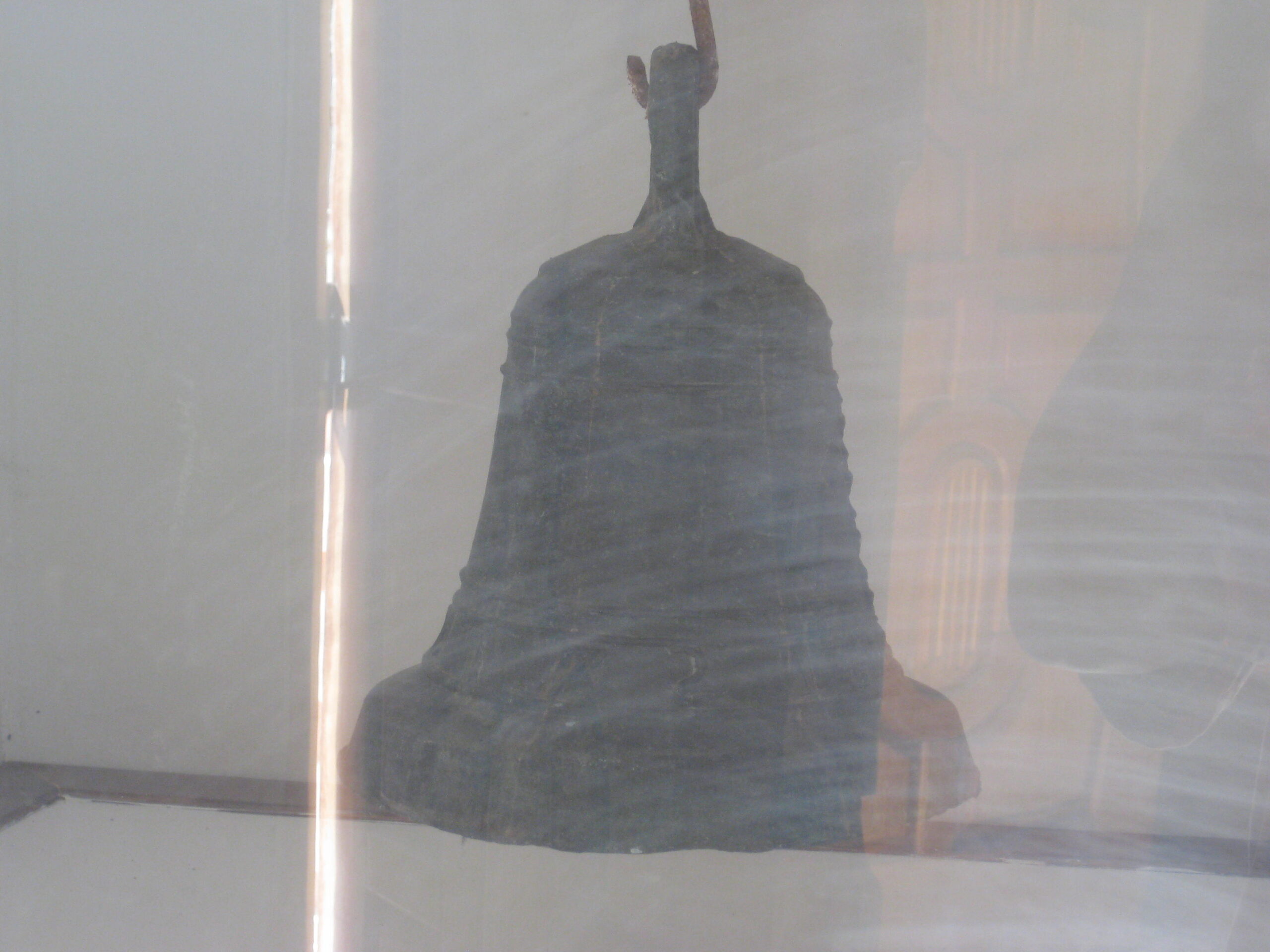
2017 photos by David Kier at the final (1736-1795) site
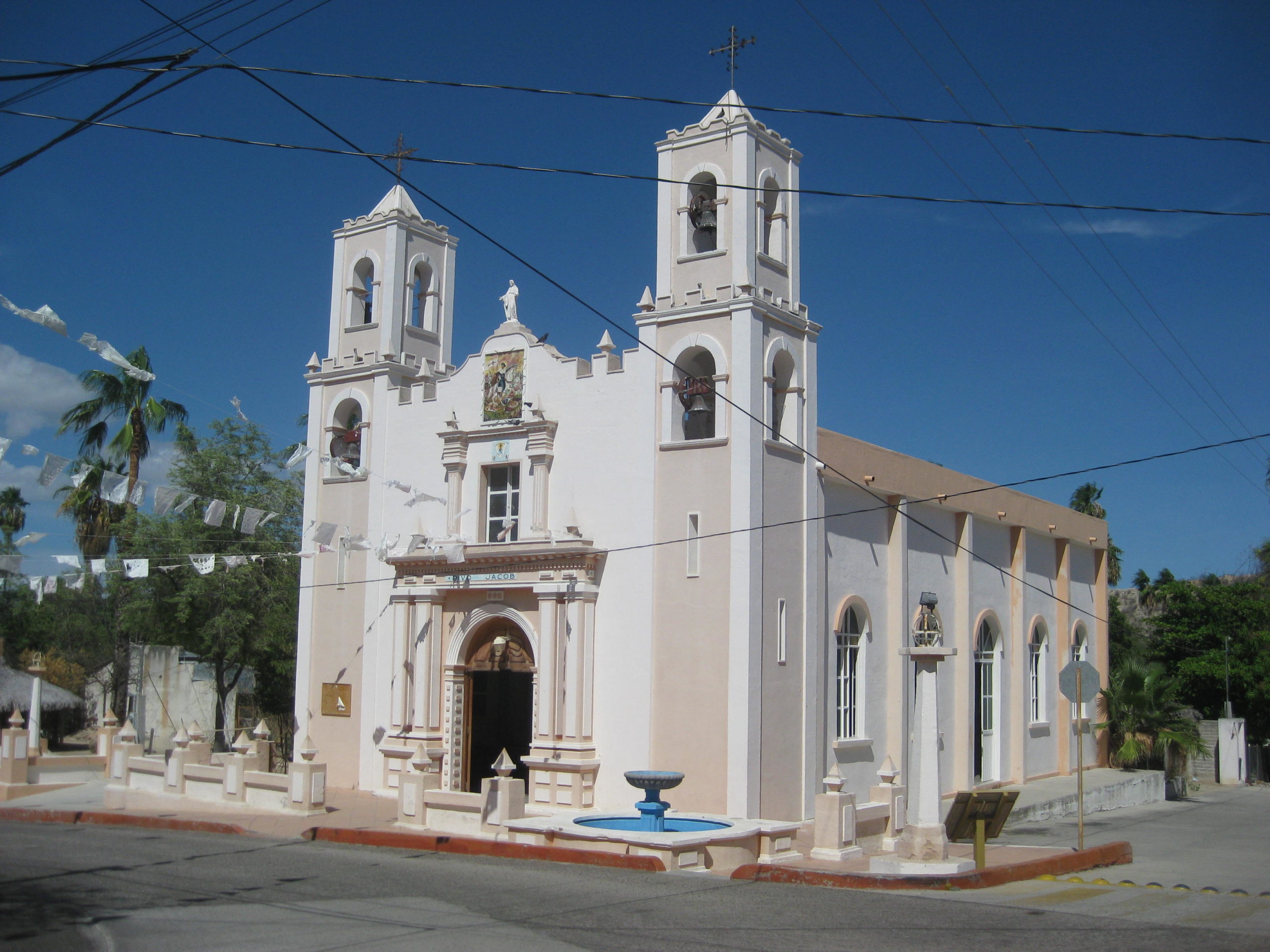
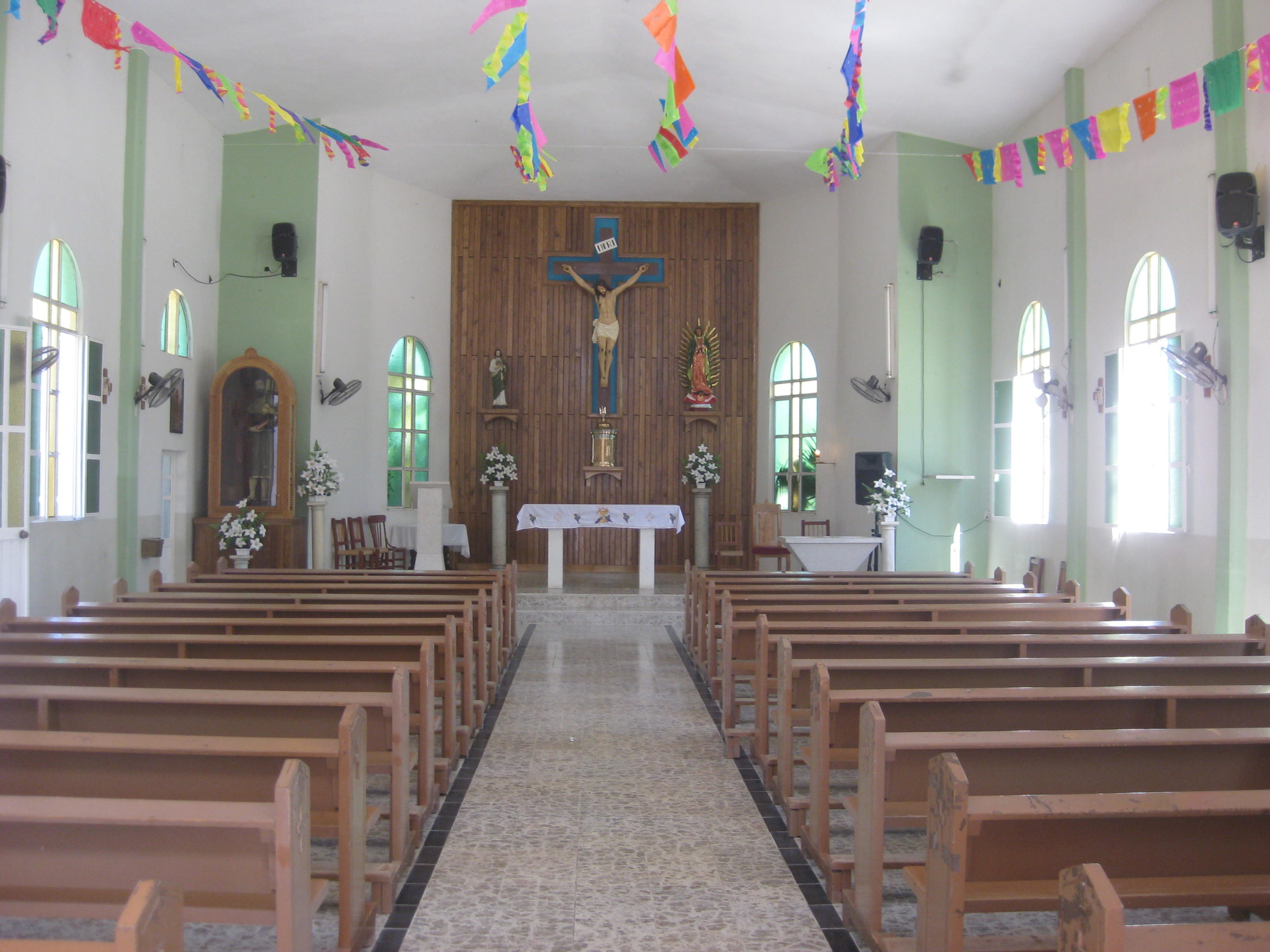
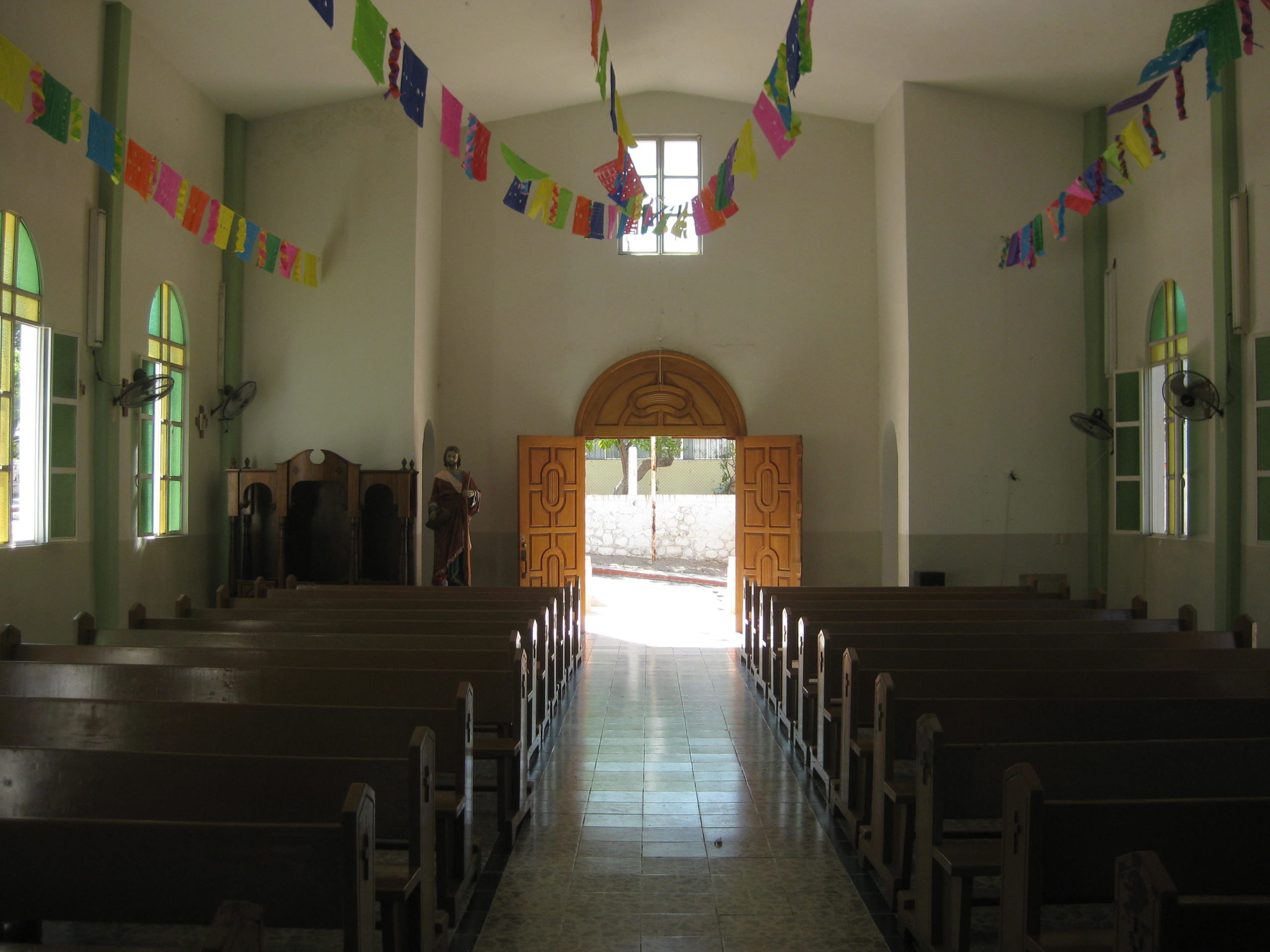
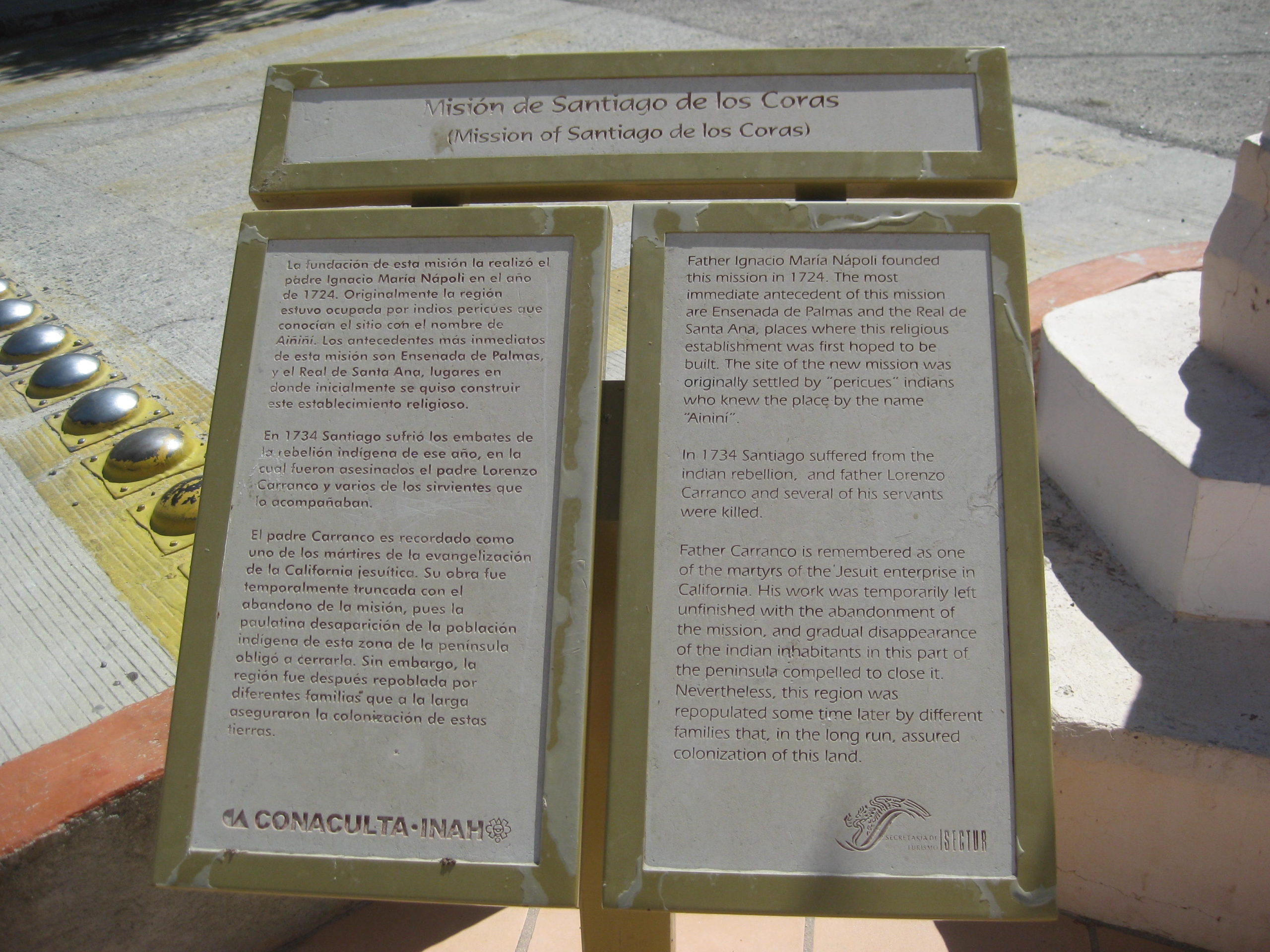
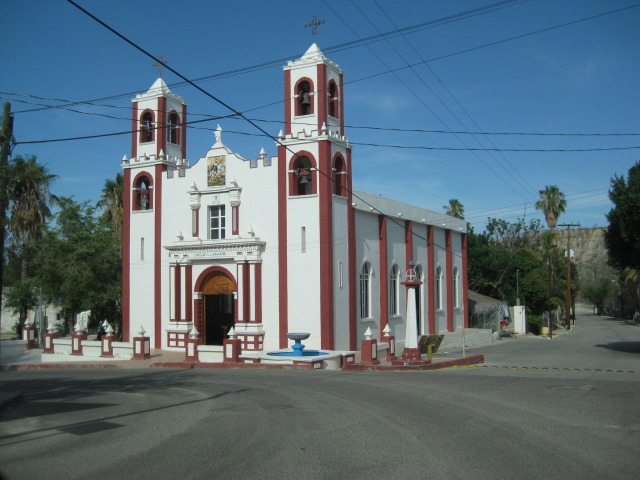
2012 photo by David Kier at the final (1736-1795) site
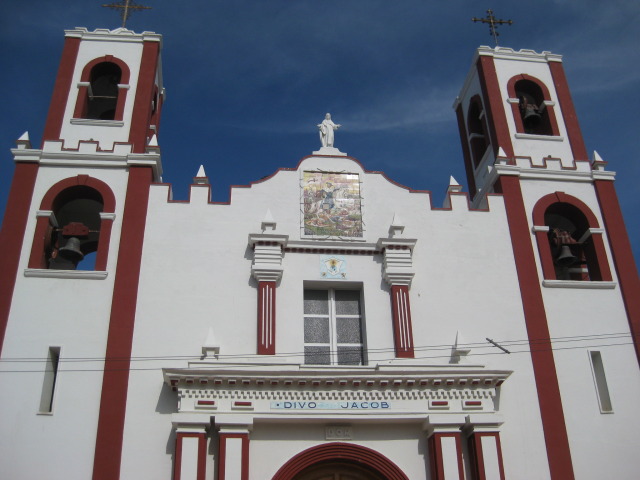
2003 photos by Jack Swords at the first (1724) site

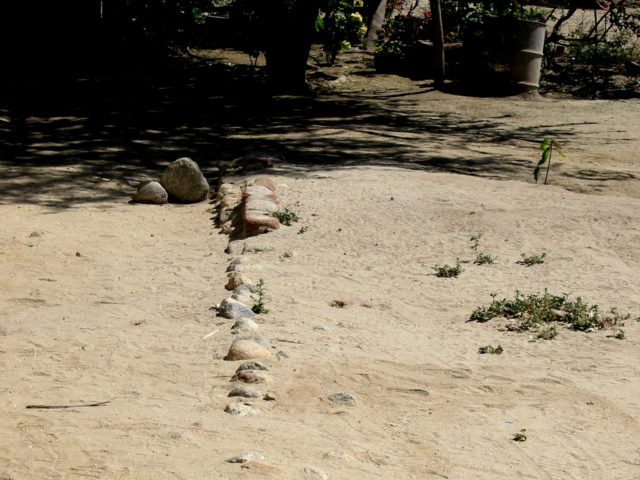
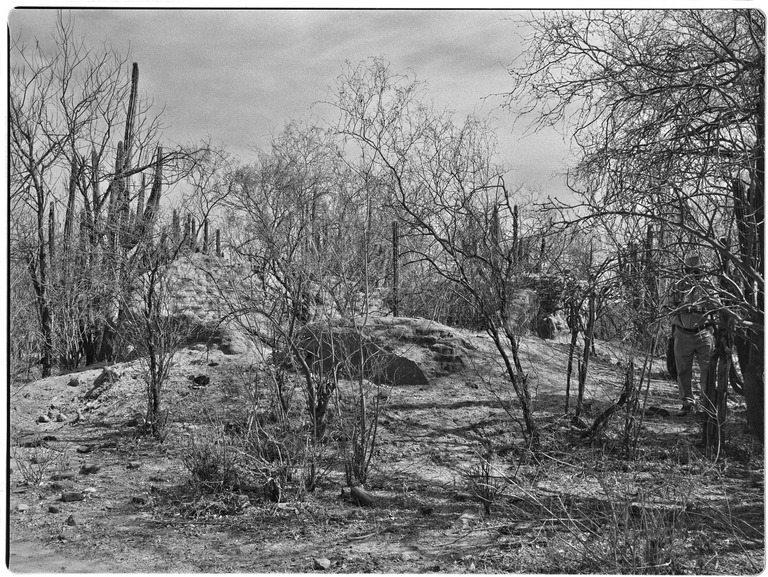
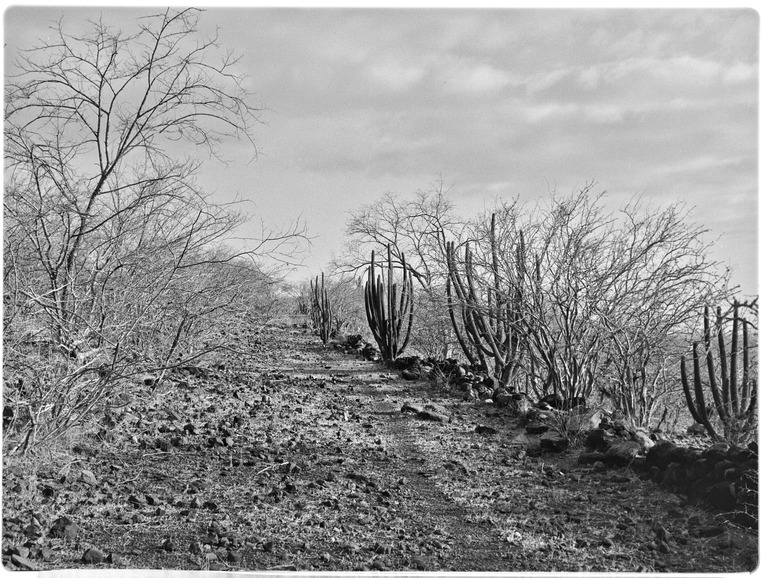
1976 photos by Harry Crosby at the 1722-1723 ‘Santa Ana’ location
1957 photo by Howard Gulick at the final site
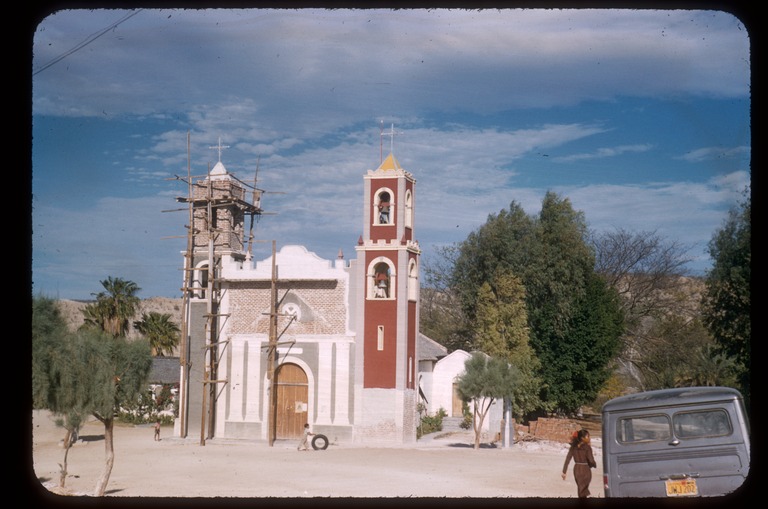
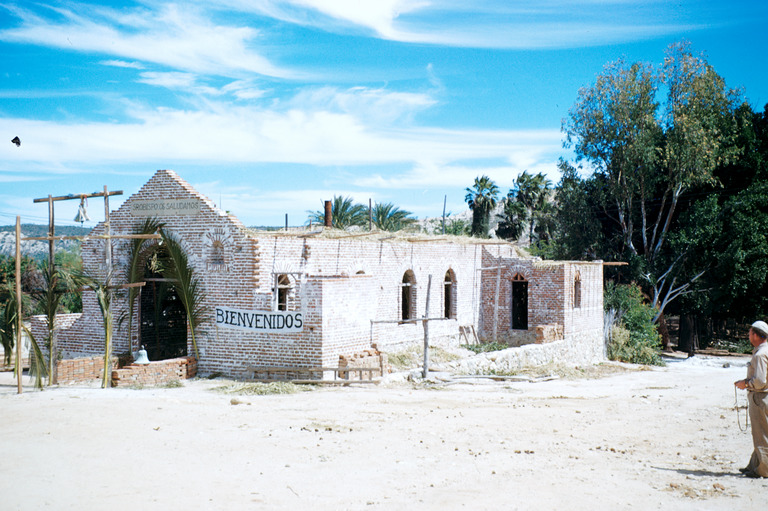
1950 photos by Marquis McDonald at the 1724 & 1736 sites
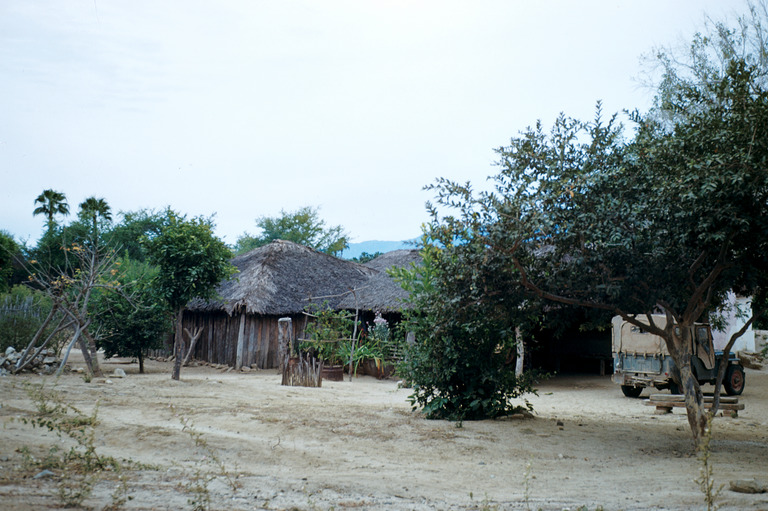
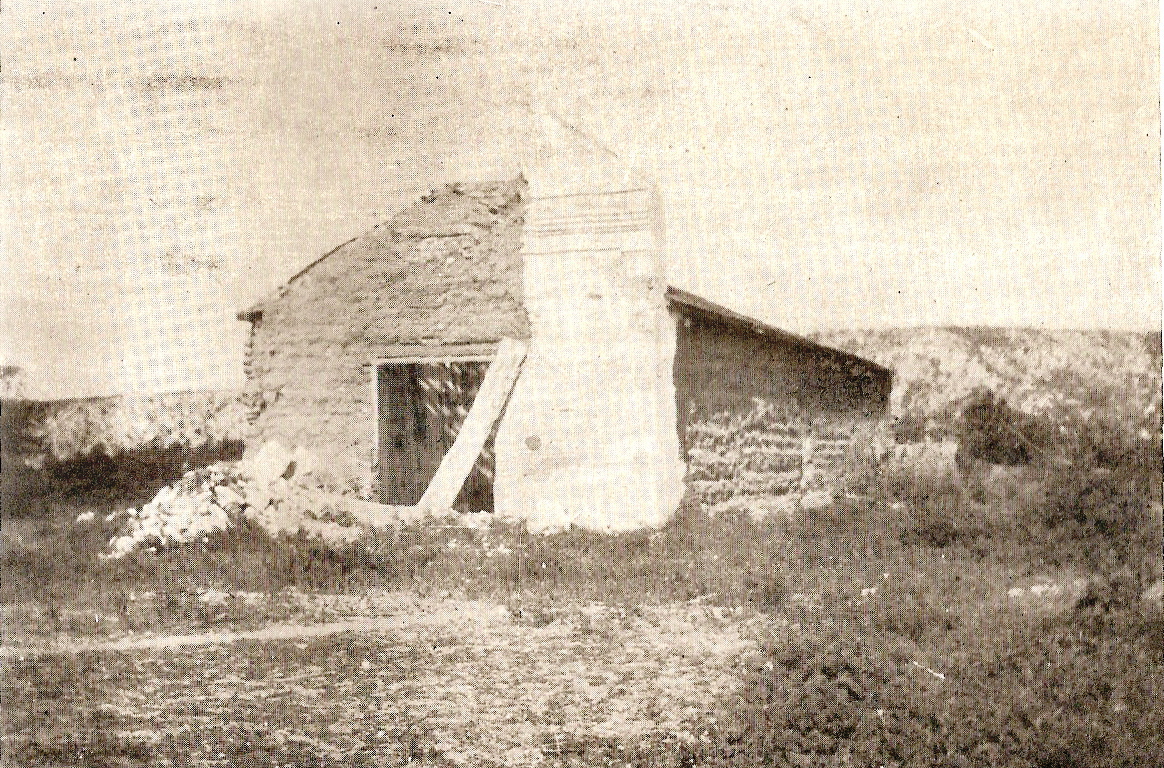
1919 photo by J.R. Slevin
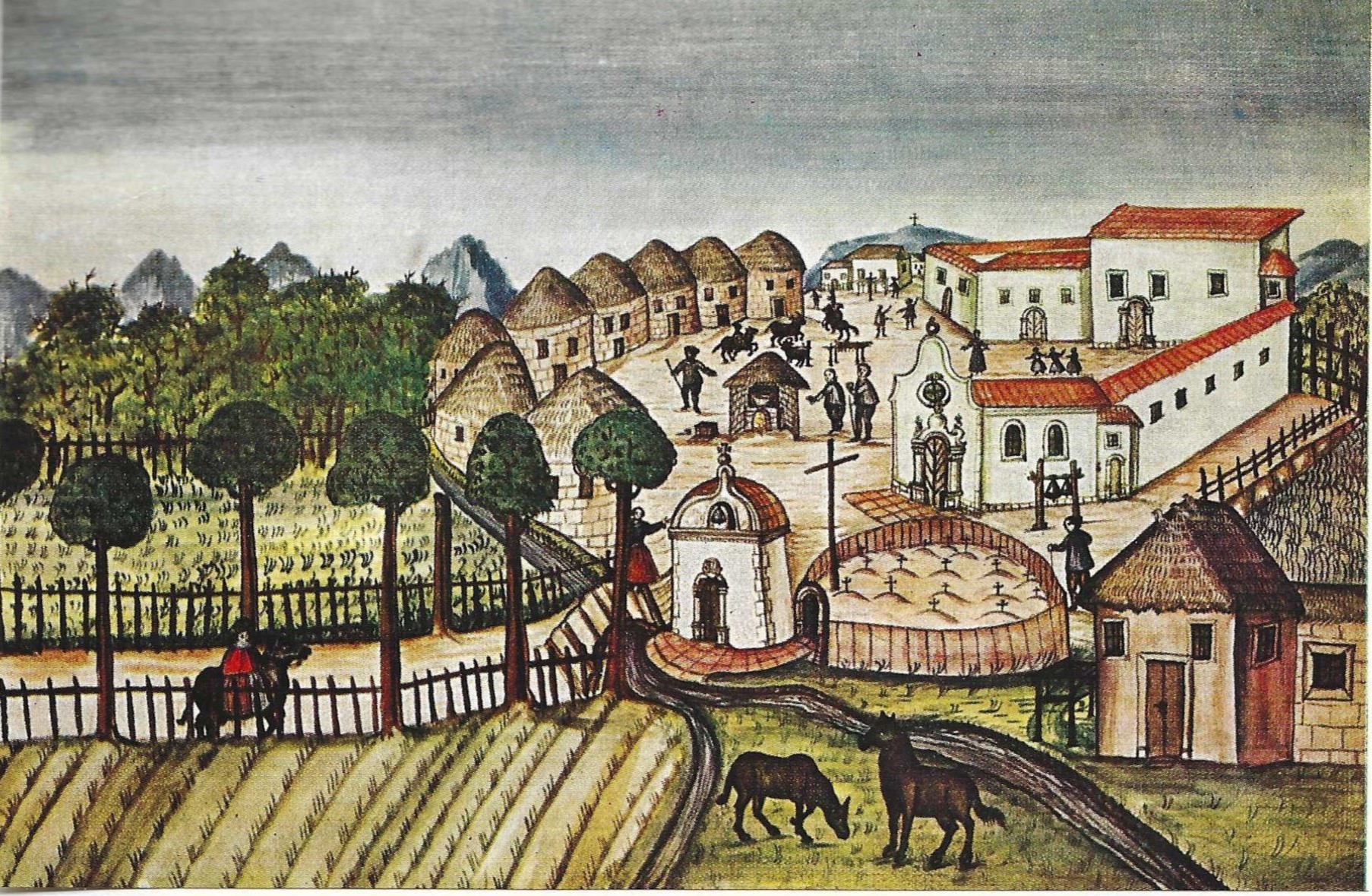
1760s illustration by Padre Ignacio Tirsch
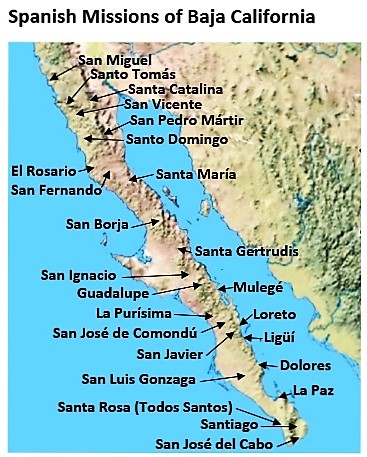
Maps

I hope this was interesting or informative for you! Please be welcome to join our Baja California Land of Missions Book Group, on Facebook: HERE
- All the missions, quick look and history, north to south: HERE
- Other mission photo pages plus more Baja California history: HERE
- VivaBaja.com home page

The following chapter is from my book, Baja California Land of Missions Order your own copy from Amazon Books: HERE
#10 Santiago el Apóstol Aiñiní (1724-1795)
In July 1721, Padre Ignacio María Nápoli sailed south from Loreto to La Paz to begin his exploration for a new mission site between La Paz and Cabo San Lucas. Padre Jaime Bravo of the La Paz mission joined Nápoli on the expedition. The two Jesuits spent eight difficult days traveling overland to reach the gulf shore at Ensenada de las Palmas (today called Bahía de Palmas). There they believed the Cora Indians would be awaiting conversion.
After many days waiting to gain their confidence, Nápoli was confronted on the beach by a group of Indians led by a tall “sorcerer” painted with black and red stripes. This “savage” wore a cape of hair tufts, and a girdle of many dangling deer hoofs. In one hand he held a fan made of feathers, in the other a bow and arrow. Gifts were presented and the Cora Indians promised to return with more “friends.” Nápoli considered this first contact a success and returned to La Paz to gather supplies for a new mission. Some have called this event the founding of Mission Santiago de las Palmas or Ensenada de las Palmas. Nápoli did baptize several children before leaving for La Paz on September 8, 1721.
The trail between La Paz and Bahía de las Palmas was long and difficult. Nápoli decided a mission should first be located midway between La Paz and Ensenada de las Palmas. In 1722, Padre Nápoli began building his first mission near a place locally called Marinó, and he named the location Santa Ana. This is where Jaime Bravo’s soldier, Ignacio de Rojas, had discovered silver ore two years earlier.
Two adobe rooms were built to serve as a chapel and living quarters for the padre. By 1723, Nápoli had collected enough food to feed the workforce needed to build a larger church at Santa Ana. The mission was originally named Santiago de los Coras. A storm hit the region and the people took refuge inside the unfinished church. A wall collapsed on them, killing, and injuring many. The padre and his soldiers were unharmed. Relatives of those dead or wounded soon placed blame on Nápoli and the Spaniards. Padre Nápoli was forced to quit the Santiago mission project and returned to Loreto to regain his confidence and try again. Nothing remains of the Jesuit church at Santa Ana, located a few miles south of the modern town of San Antonio.
In 1724, Padre Ignacio Nápoli returned and began again to build a new mission but this time south of the Cora lands and into the land of the Pericú, at a place they called Aiñiní. Jesuit papers describing the new location were not well-known until 1973, so writers have erroneously called the new mission by the old name, Santiago de los Coras.
Aiñiní was well-watered and the new mission, now named Santiago el Apóstol, prospered for many years. In 1726, Nápoli was transferred to Sonora. His replacement was Padre Lorenzo José Carranco.
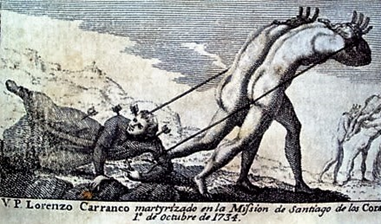
On October 1, 1734, after much unrest at the four southernmost missions, the Pericú Revolt began. Padre Carranco and two servants were killed during the uprising. An Indian named Cristóbal had been the governor (Indian representative) at Santiago in past years but was removed from that position after repeated shenanigans and mischief-making. Cristóbal set out to avenge himself upon Padre Carranco and took advantage of a time when there were no soldiers at Santiago or at nearby San José del Cabo.
Two days later, the Indian rebels also murdered Padre Nicolás Tamaral at San José del Cabo.
The mission was vacant for two years while the Jesuits with additional Spanish soldiers and friendly Indians regrouped. Only a few foundation stones remain today at the 1724 mission site, now located on private land.
In 1736, the mission was moved about two miles south and rebuilt. In 1748, Mission San José del Cabo was closed and became a visita of Santiago el Apóstol. San José del Cabo was later reopened as a mission by the Franciscans, in 1768. Epidemics eventually plagued Santiago, as they had the other missions, and by 1795 the mission was closed, and the forty remaining neophytes were transferred to San José del Cabo. A modern church has been built on the 1736 mission site, in the town of Santiago.
Missionaries recorded at Santiago:
Jesuit
Ignacio Nápoli 1724-1726
Lorenzo Carranco 1726-1734
(Vacant 1734-1736, relocated 1736)
Anton Tempis 1736-1746
Karl Neumayer 1746-1747
Sigismundo Taraval 1747-1750
Bernhard Zumziel 1750-1751
Johann Bischoff 1752-1753
Francisco Badillo 1753-1759
Francisco Escalante 1759
Julián Salazar 1760-1763
Ignacio Tirsch 1763-1768
Franciscan
José Murguía April 5, 1768
Juan Antonio García Riobó 1770-1771
Francisco Villuendas 1771
Dominican
Antonio Salas and José Estévez (to 1775) May 15, 1773
Manuel García 1776-1780
Francisco Hontiyuélo 1790-1794
See the other mission pages: https://vivabaja.com/mission-albums/