Full name: San Luis Gonzaga Chiriyaqui
Founding date: July 14, 1737 Mission #14
Catholic Order: Jesuit
Founded by: Padre Lambert Hostell
Condition: Stone church constructed from 1753 to 1758
Closing date: Closed on August 20, 1768 by the Spanish government.
GPS: 24.908056, -111.290903
Access: Mex. #1 Km. 195 (north of La Paz) east 22 miles.
Read more: HERE
2017 photos by David Kier
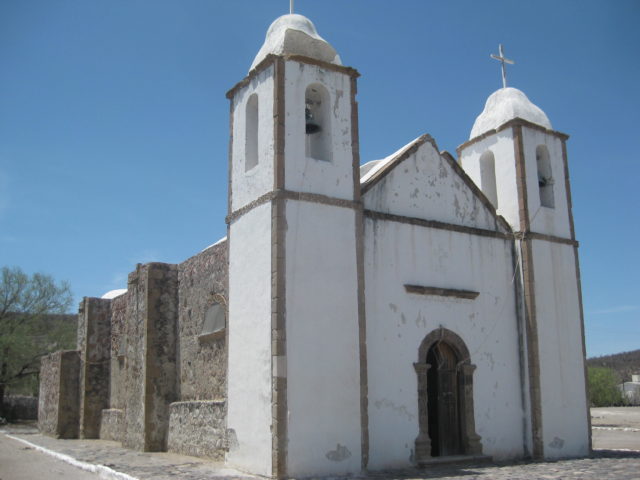
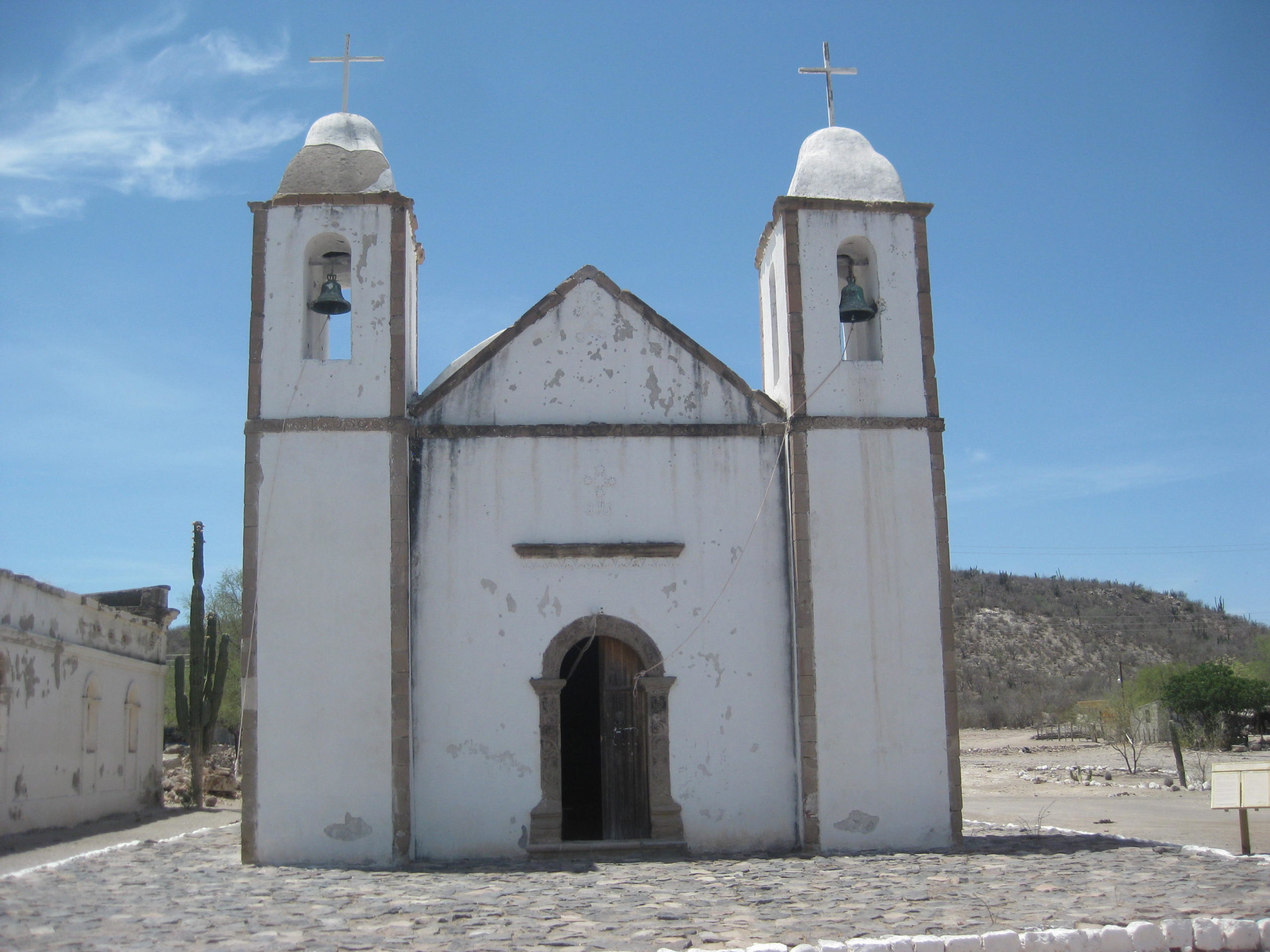
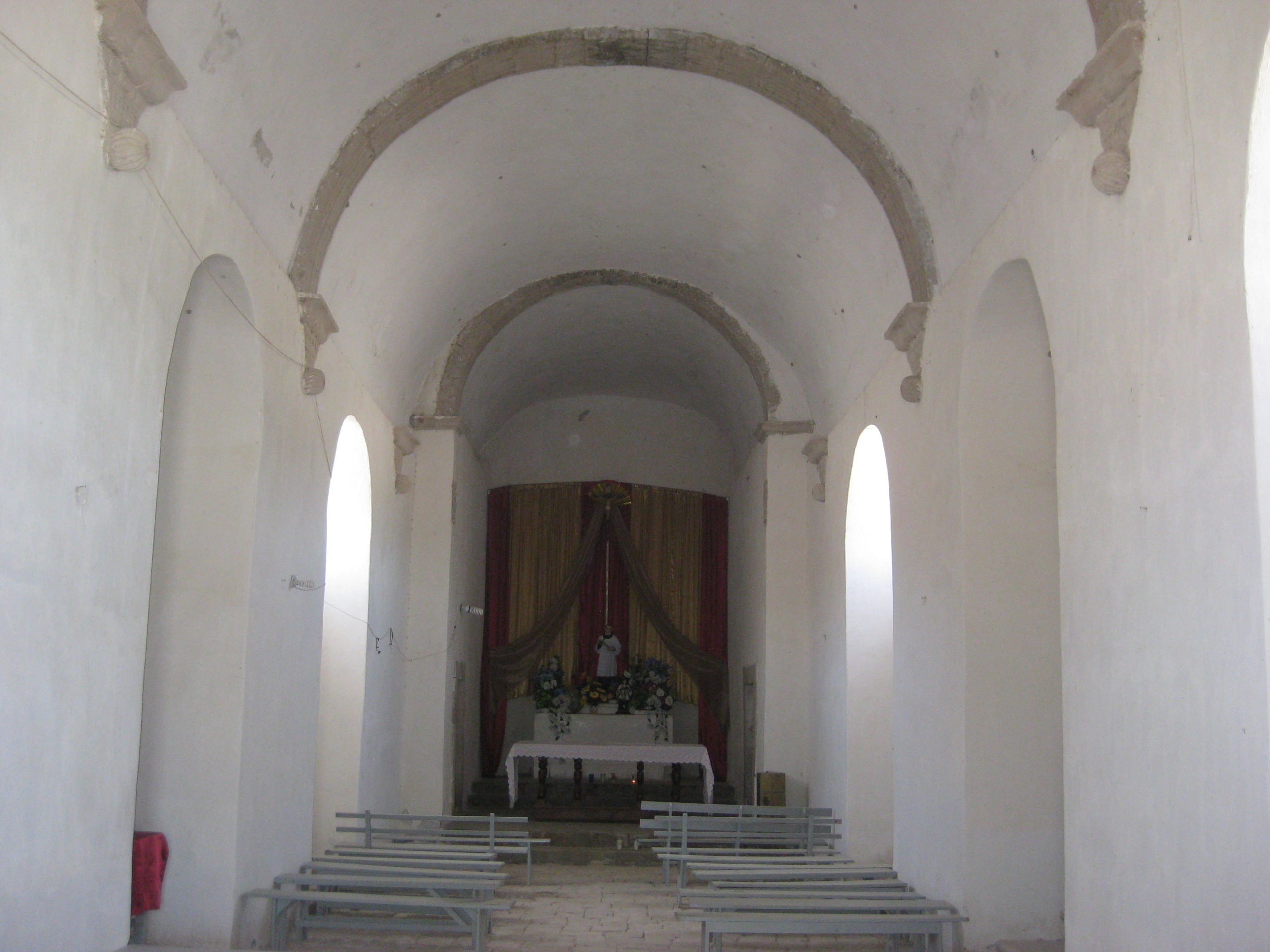
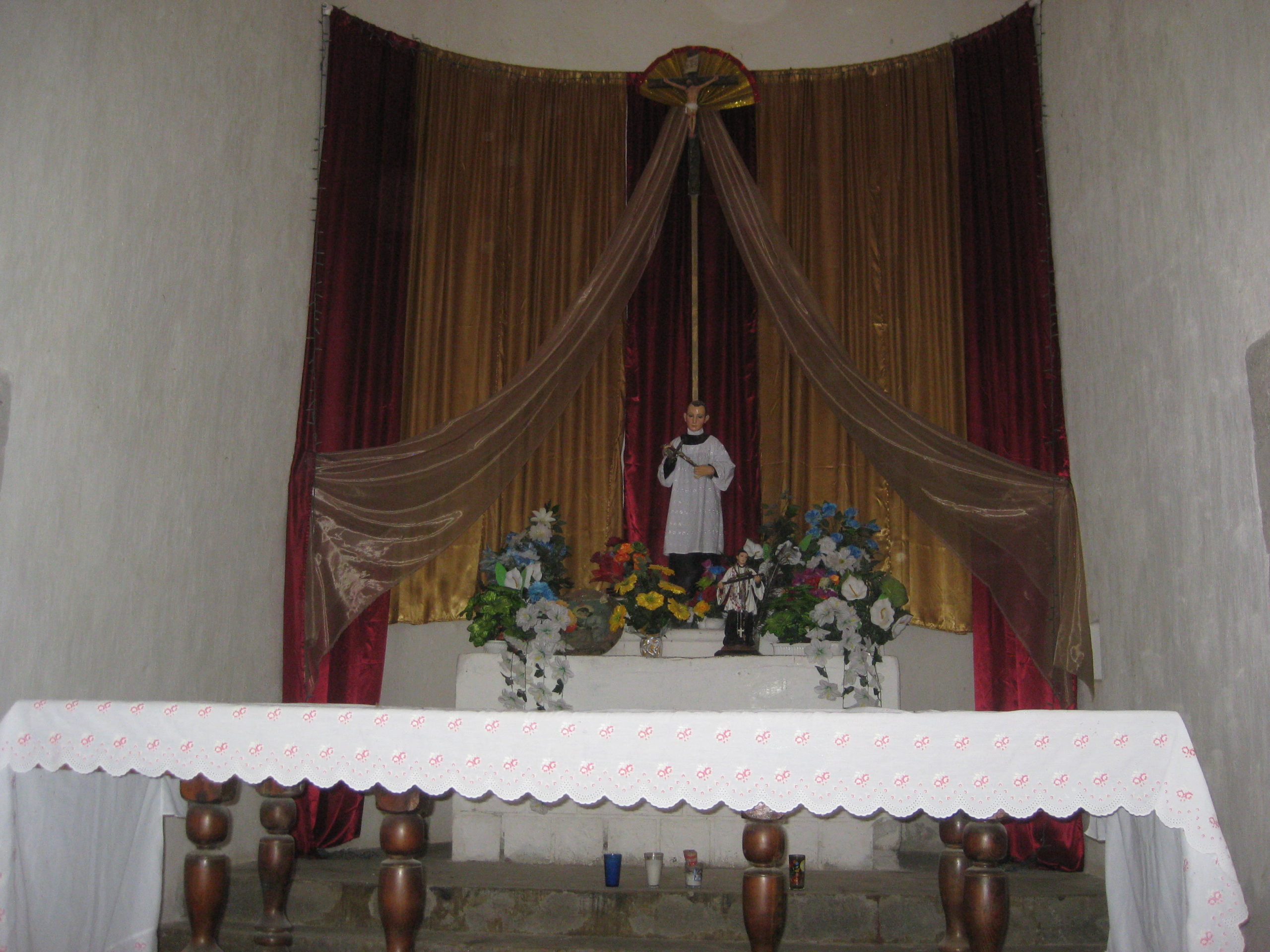
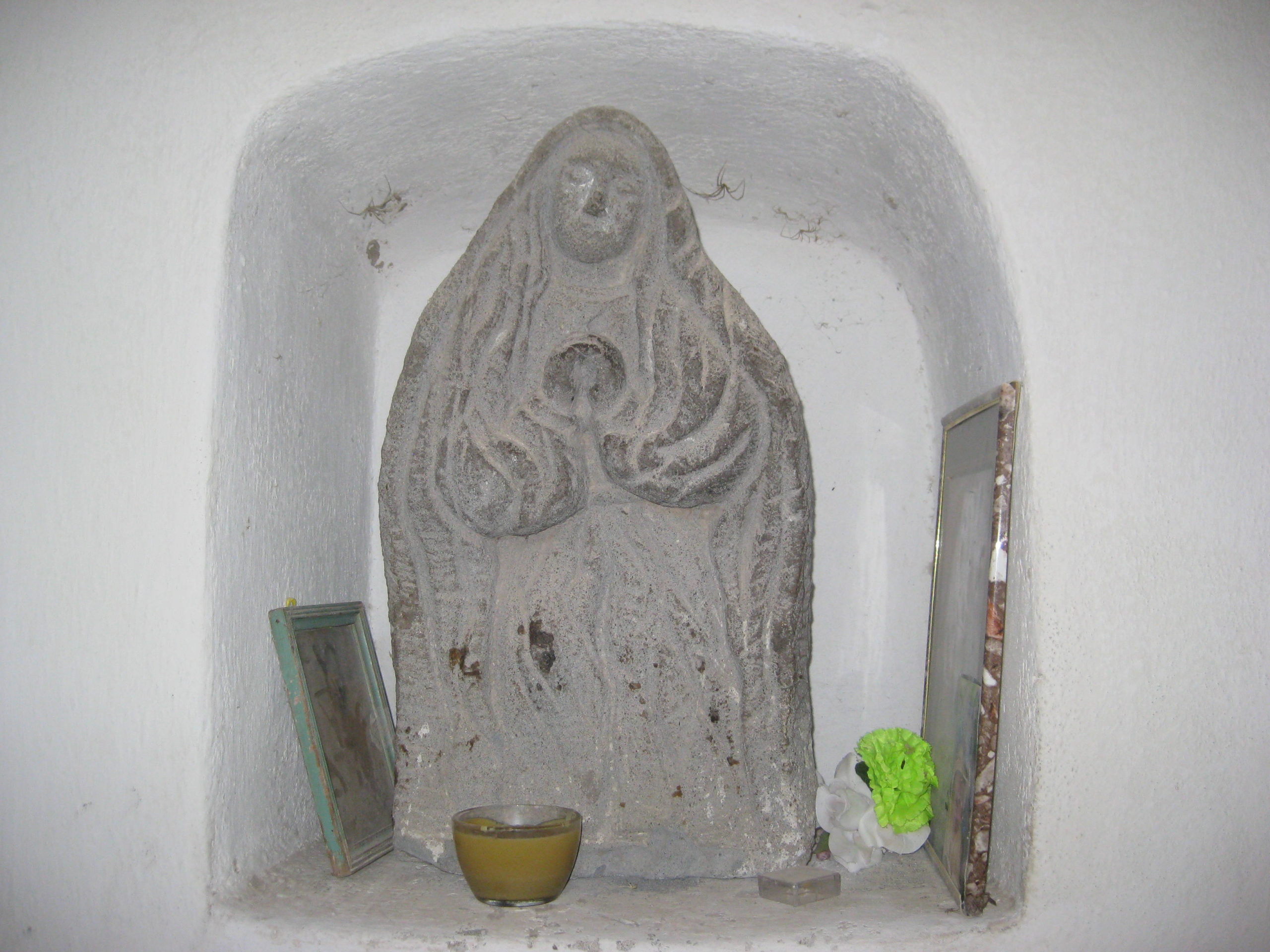
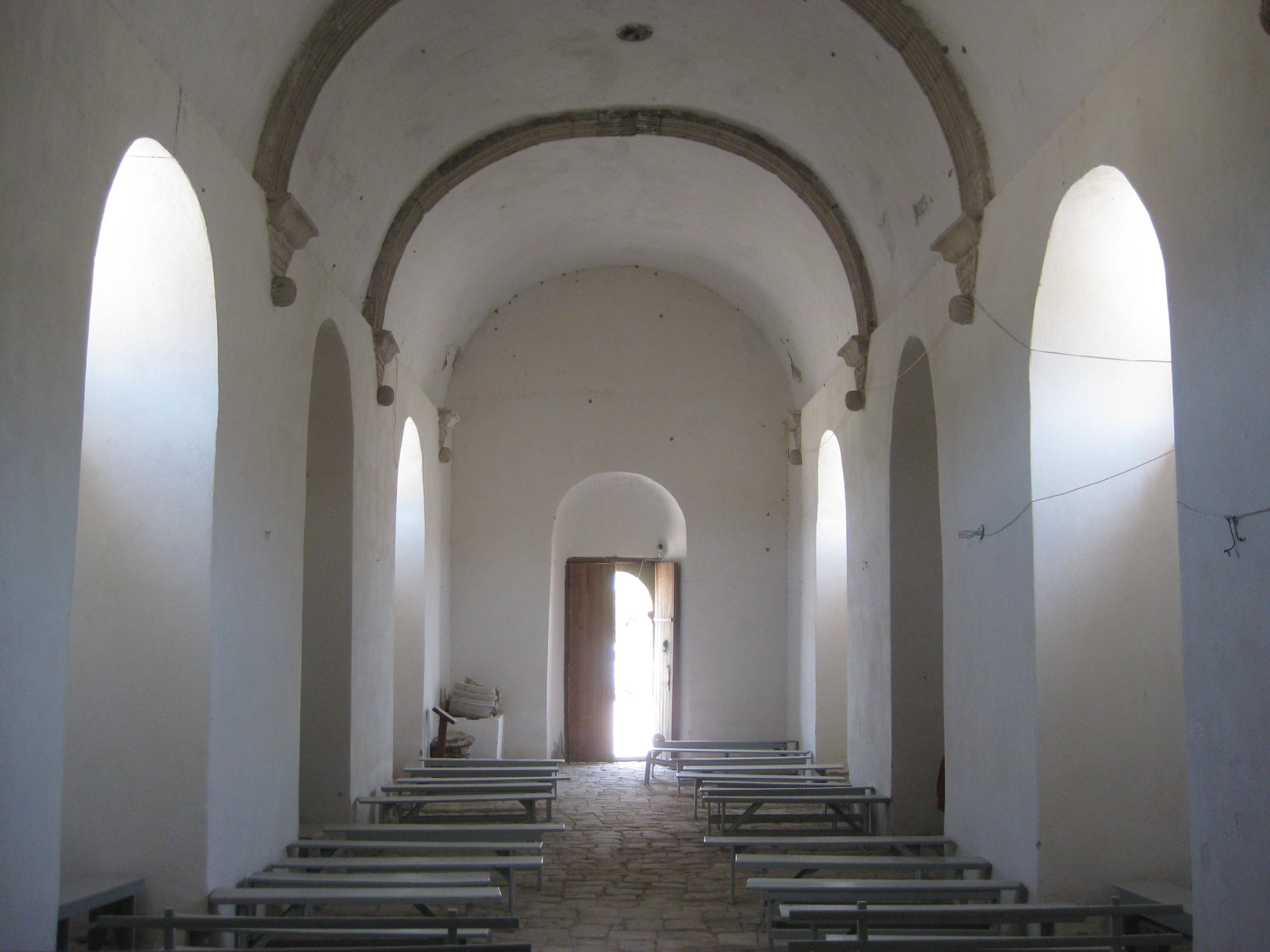
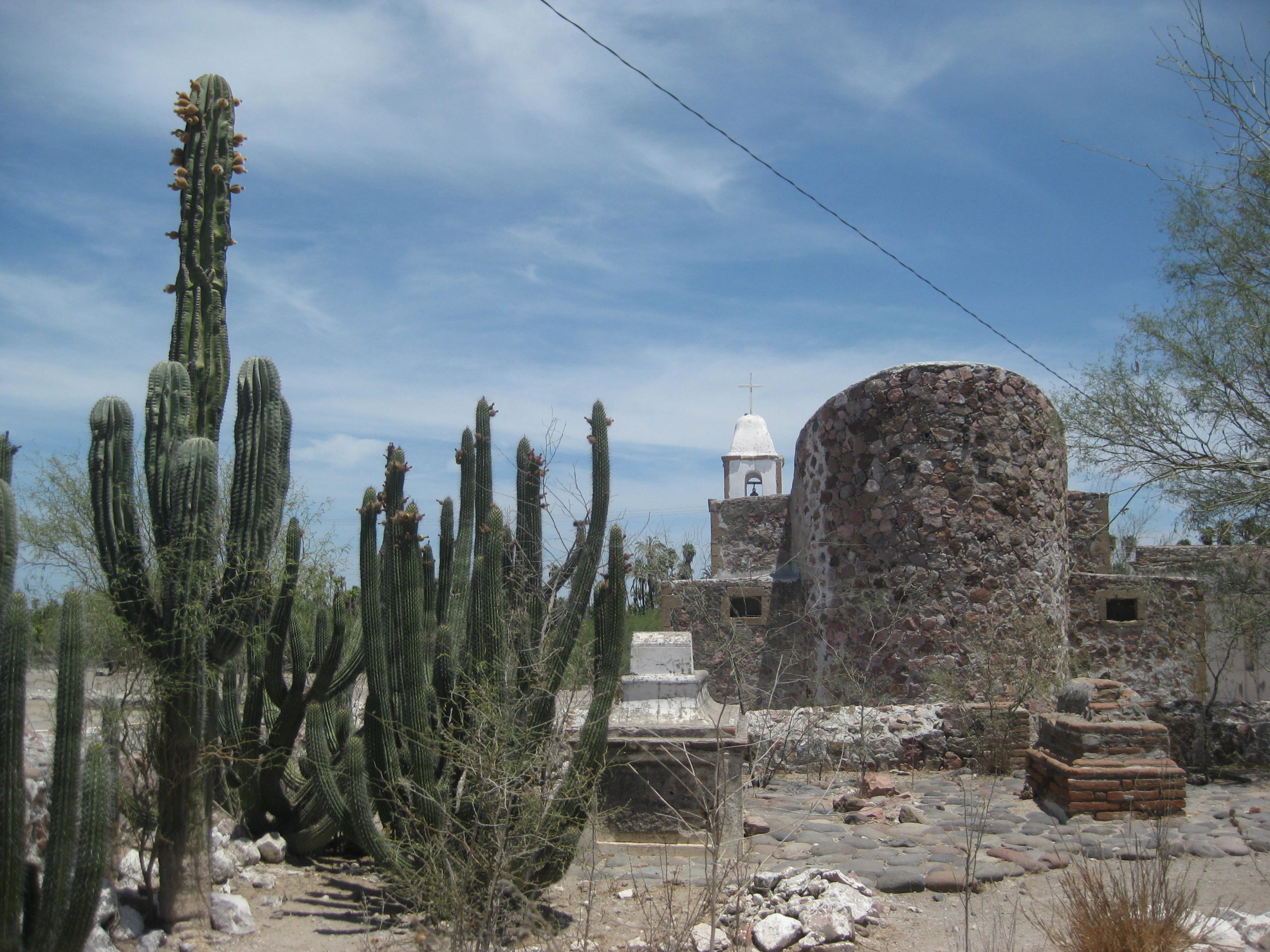
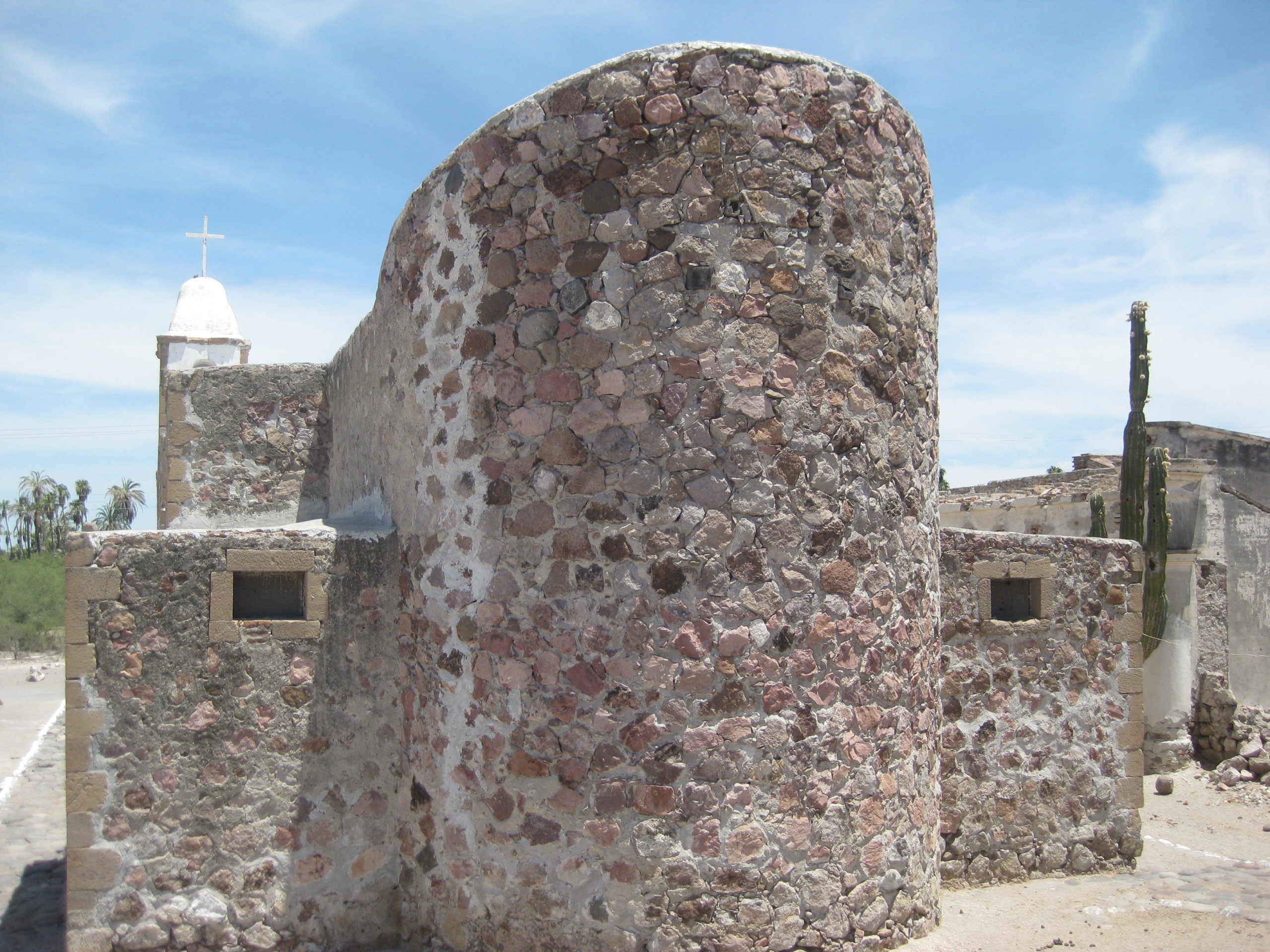
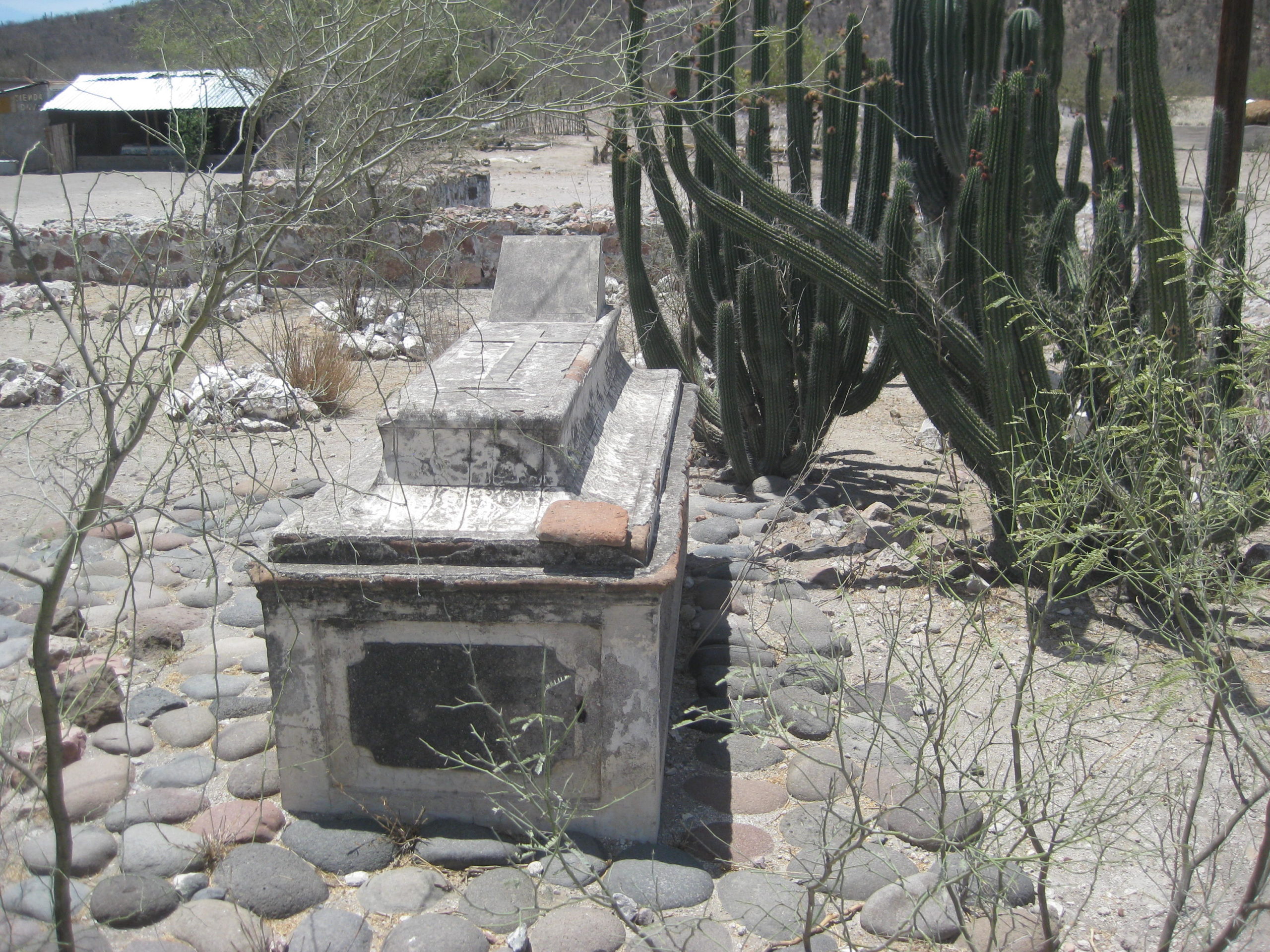
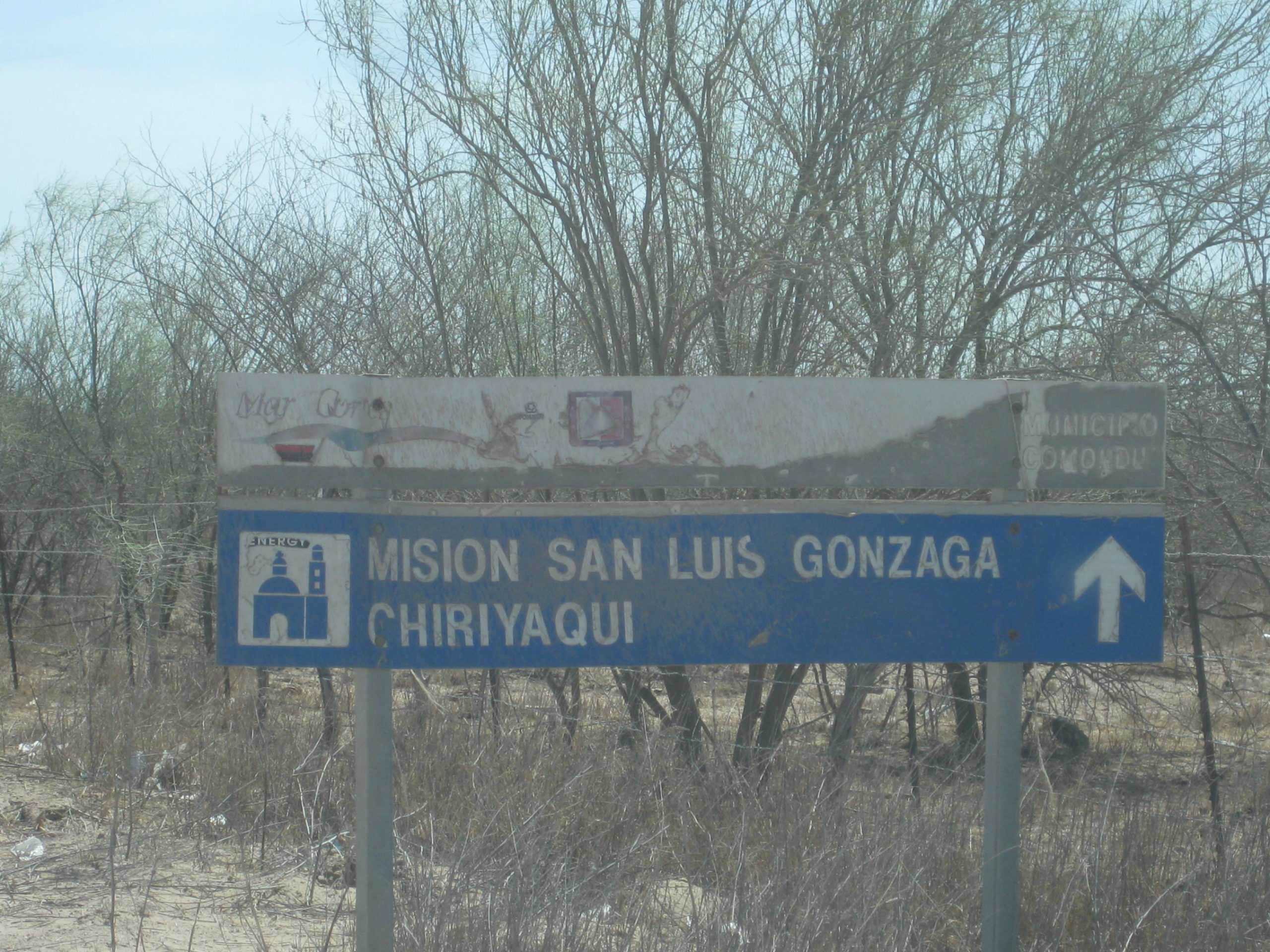
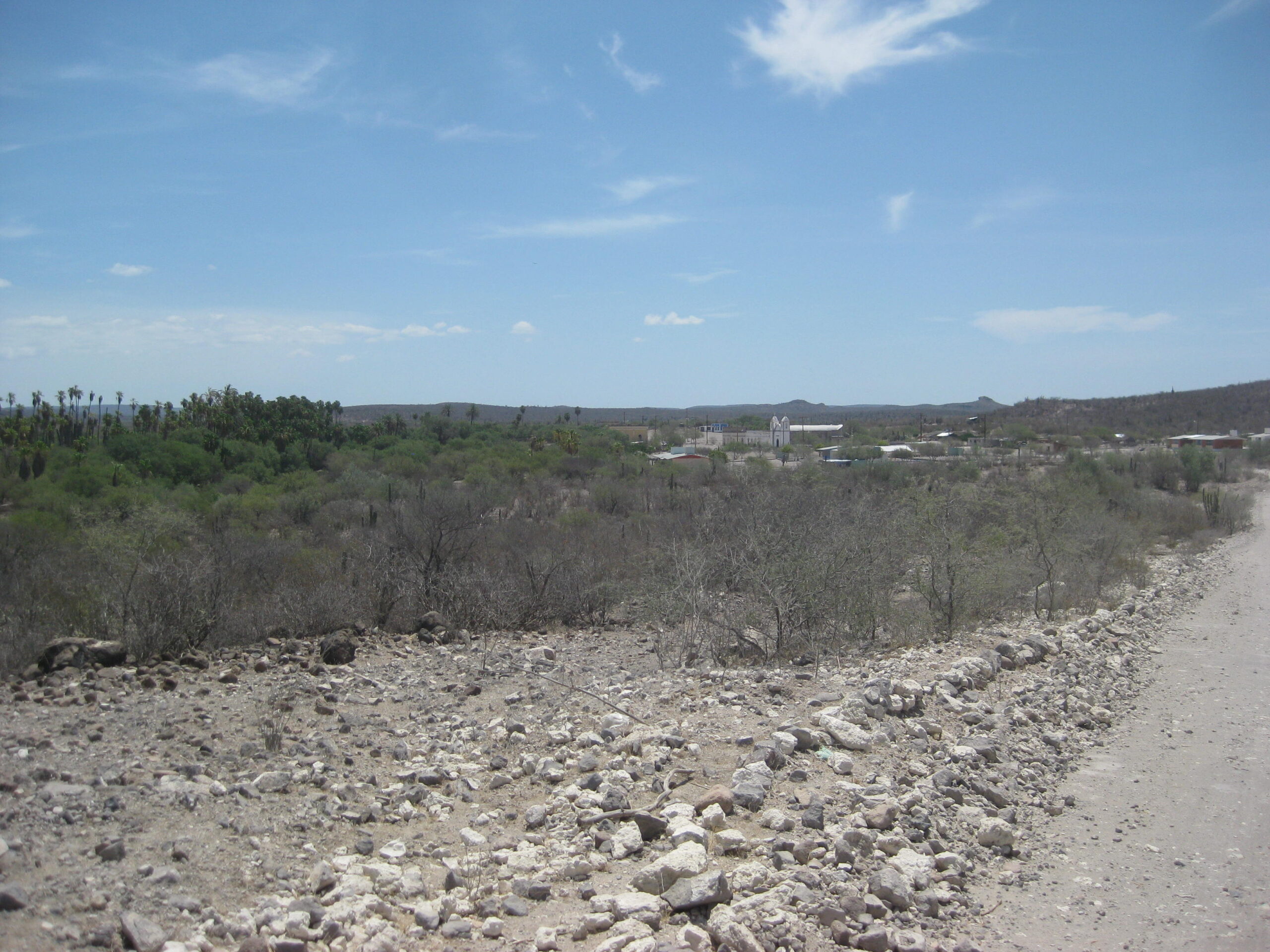
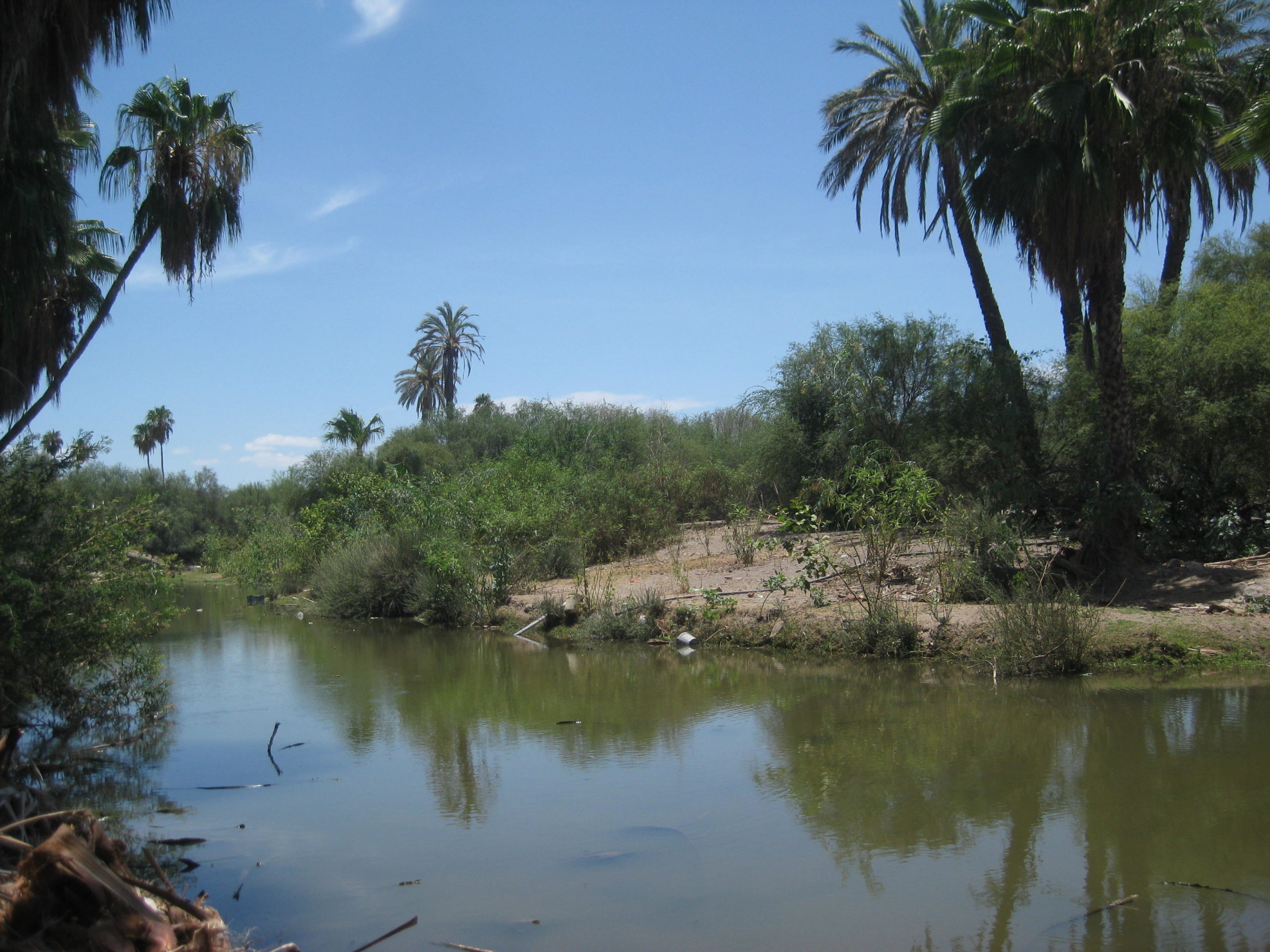
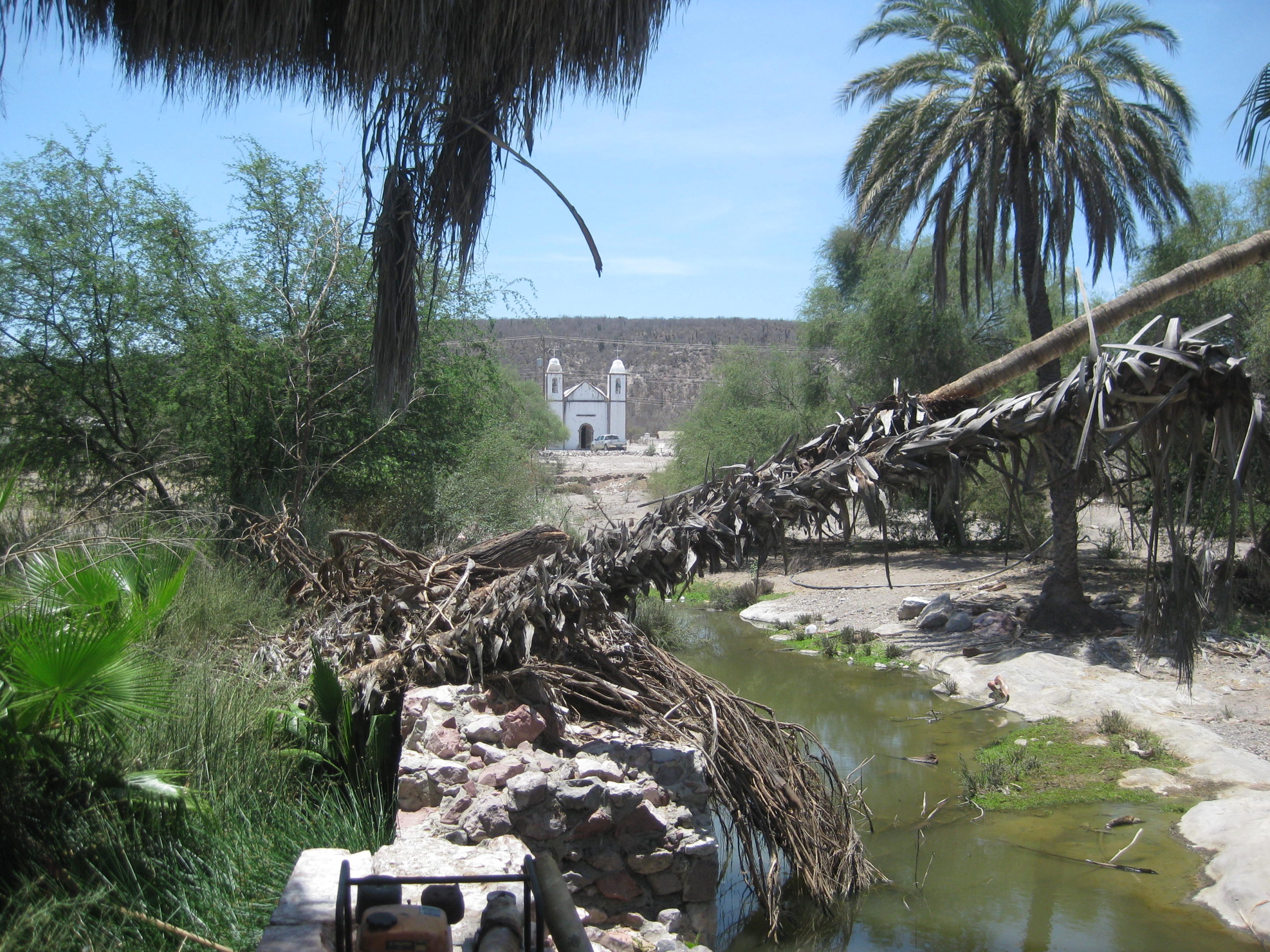
2002 photos by Jack Swords


1990 photos by Harry Crosby
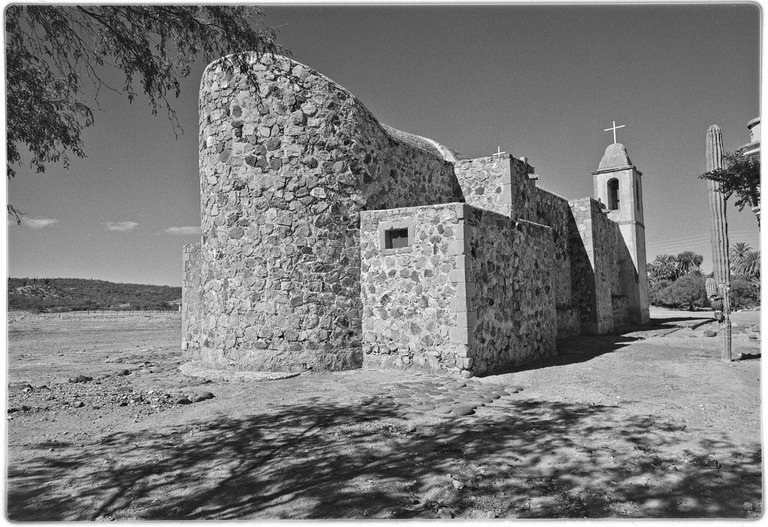
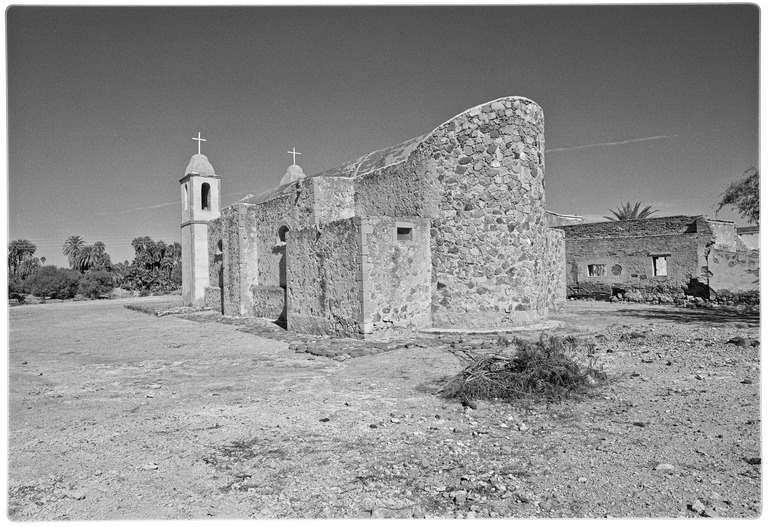
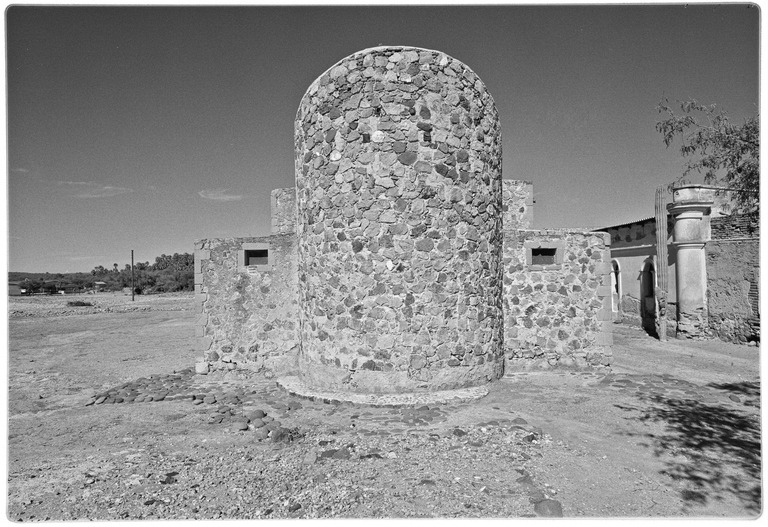
1957 photos by Howard Gulick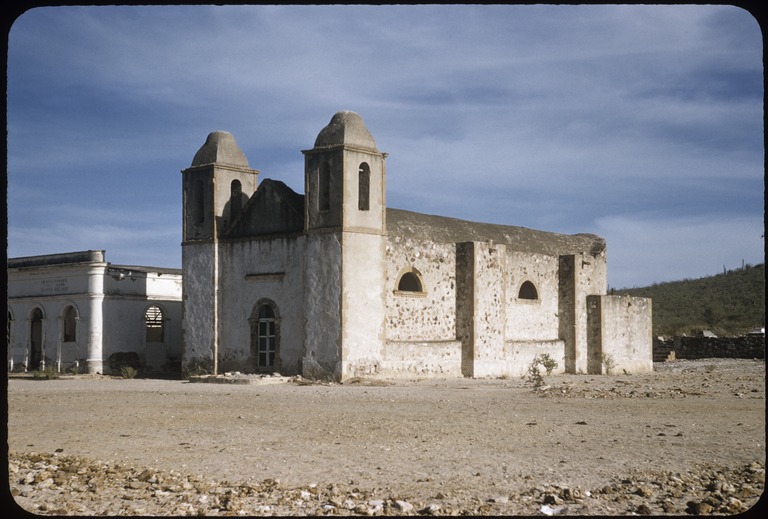
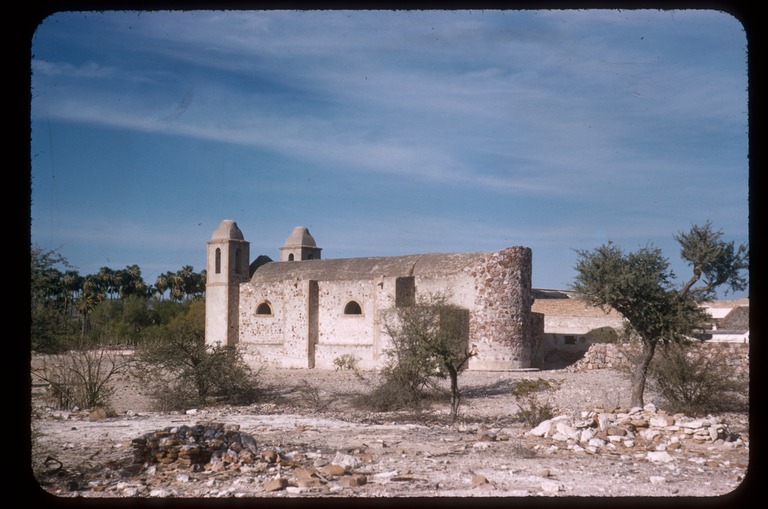
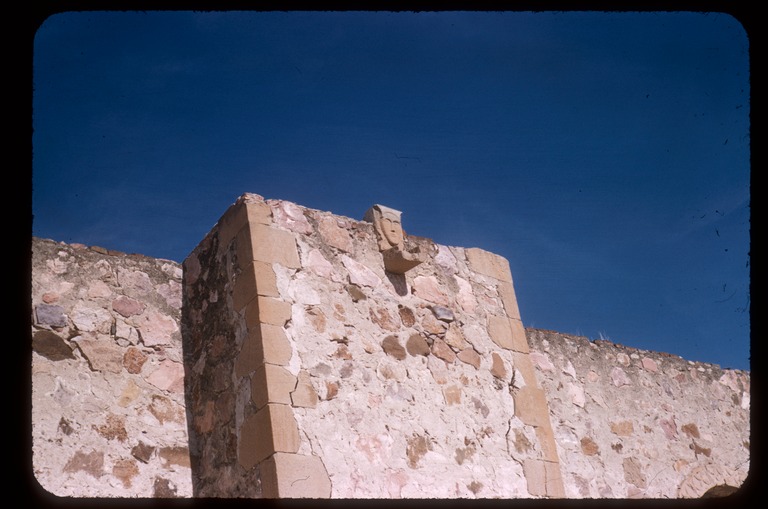
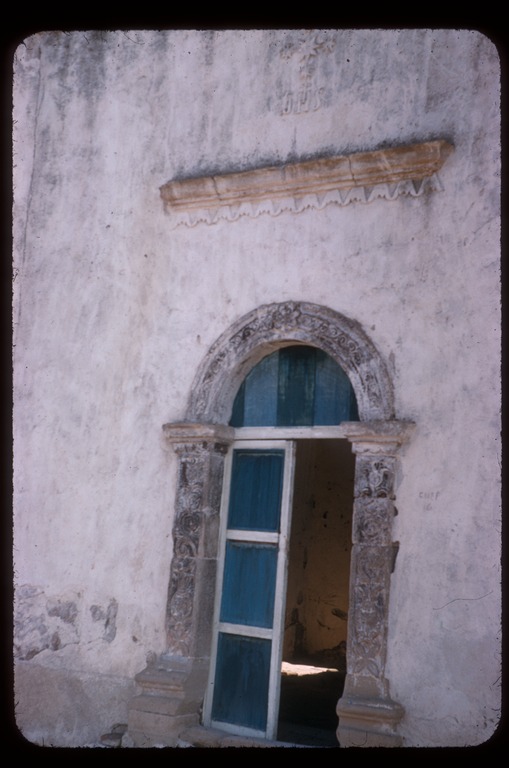
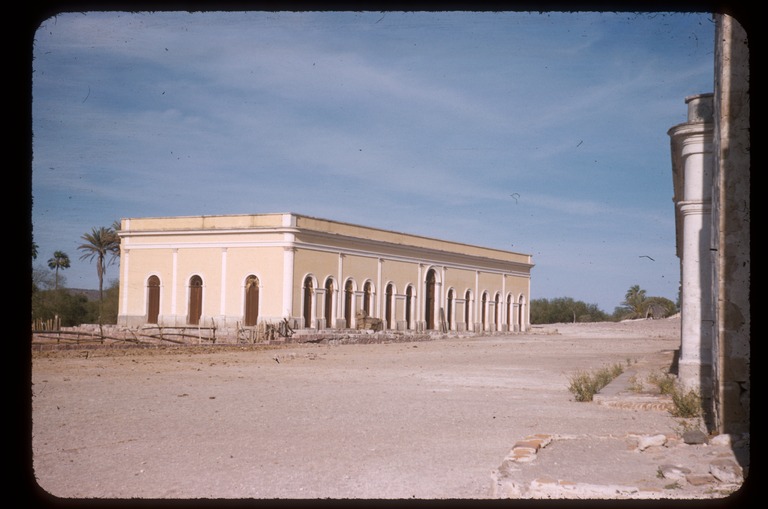
1950 photos by Marquis McDonald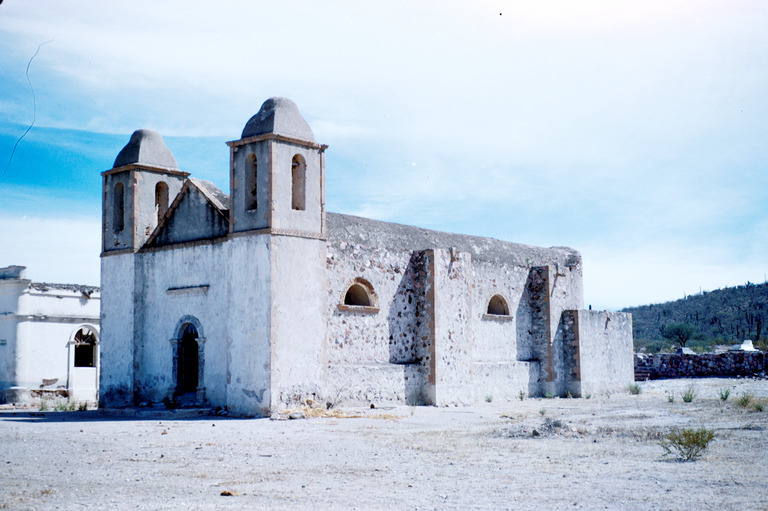
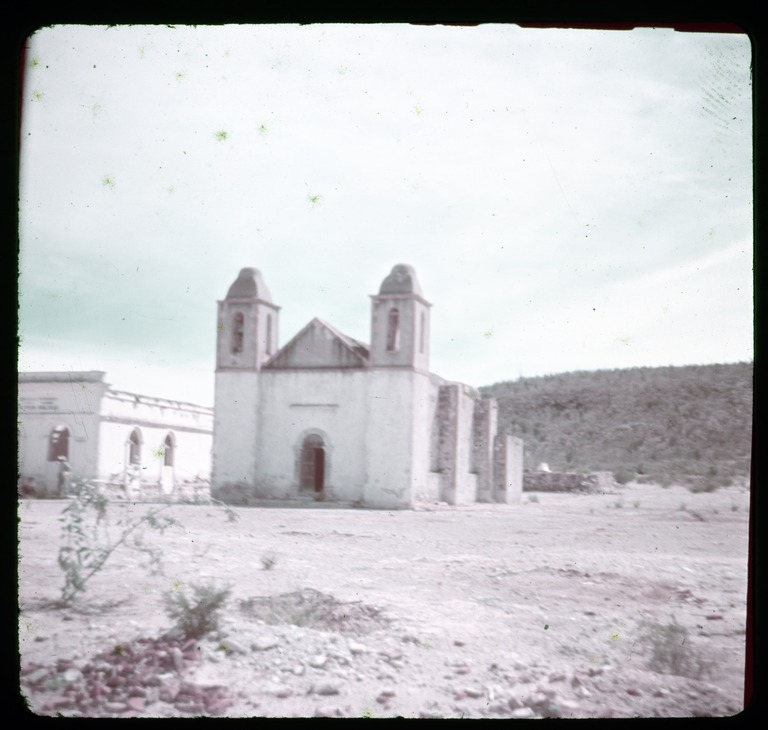
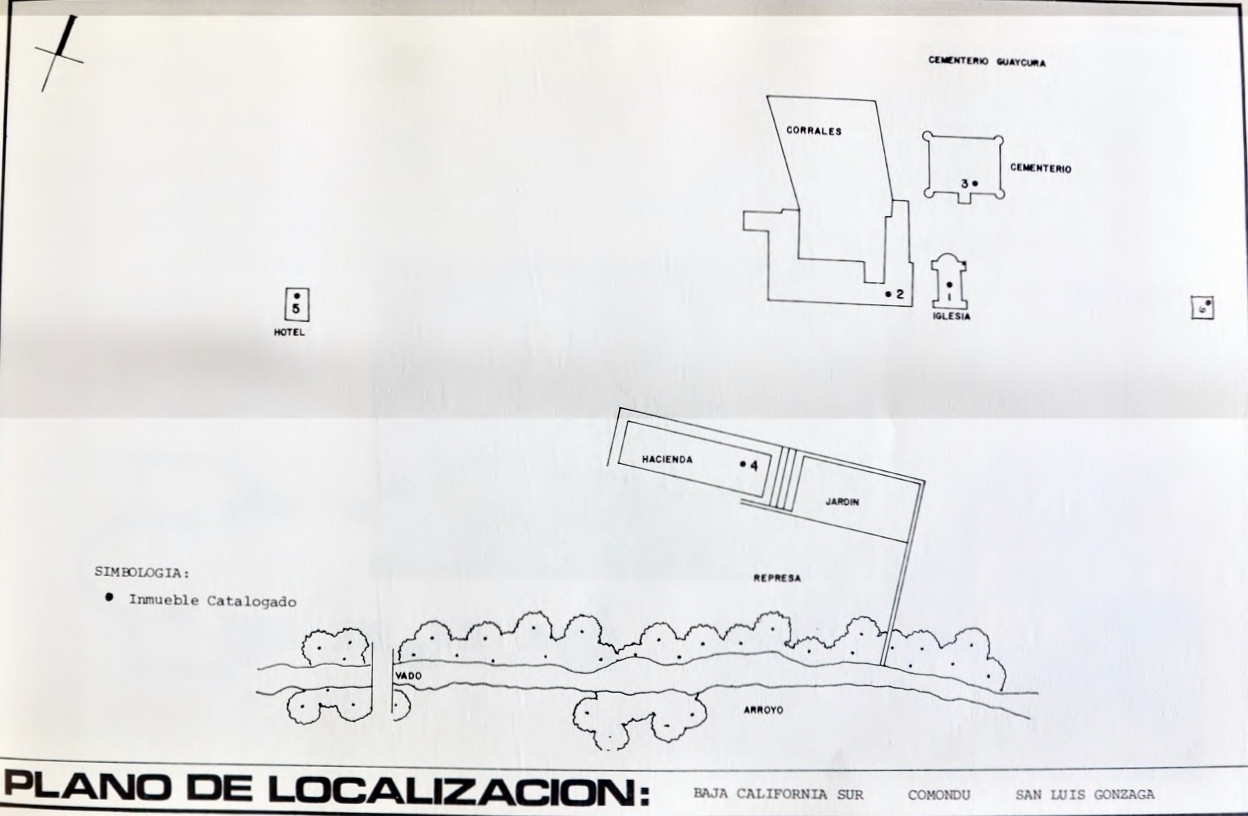
Maps and plans

I hope this was interesting or informative for you! Please be welcome to join our Baja California Land of Missions Book Group, on Facebook: HERE
- All the missions, quick look and history, north to south: HERE
- Other mission photo pages plus more Baja California history: HERE
- VivaBaja.com home page
The following chapter is from my book, Baja California Land of Missions Order your own copy from Amazon Books: HERE
#14 San Luis Gonzaga Chiriyaqui (1737-1768)
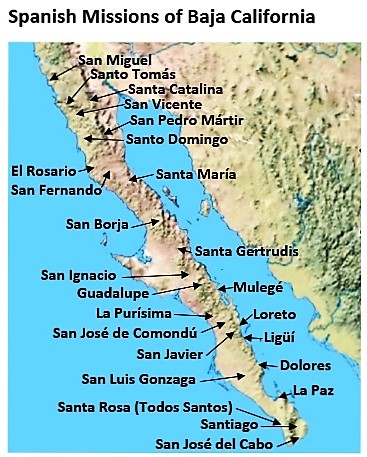
Mission San Luis Gonzaga is on the Magdalena Plain of Baja California Sur. In 1721, it was originally established as a visita, or satellite visiting chapel of the mission of Los Dolores Apaté. The Guaycura Indian name for the oasis was Chiriyaqui (Chiriyaki). On July 14, 1737, the visita was elevated to mission status with the arrival of Jesuit Padre Lamberto (Lambert) Hostell. The mission was named after Don Luis de Velasco, who provided 10,000 pesos for its founding. This mission was usually referred to simply as “San Luis” in most letters and reports of the time. San Luis Gonzaga was the last mission founded in the southern half of the peninsula, today’s state of Baja California Sur.
Padre Hostell was not able to remain at his new mission after its founding because he was called away to an emergency at San José del Cabo. His time away lasted from August 1737 to November 1740. Hostell returned to San Luis Gonzaga after that absence of over two years.
The Guaycura tribes of the Magdalena Plain were scattered to such a degree that Hostell’s first order of business was to establish three pueblos (population centers) that included his mission plus two visitas. One visita was called San Juan Nepomuceno and the other was called Santa María Magdalena on the bay of the same name. A third visita was planned and was to be called Santa Trinidad, but records do not indicate it was established. In addition to attending his own mission, Hostell would travel frequently to Los Dolores and assist Padre Guillén.
In 1744, the Visitador General of the Jesuits was Padre Juan Antonio Balthasar and as part of his duties, he made a routine tour of the California missions. He reported the neophyte population at San Luis as being 488. Balthasar also noted that Padre Hostell was attempting to establish a mission at the visita of Magdalena. Balthasar suggested to his superiors that a new missionary be sent to assist Hostell to open a Magdalena mission. An additional Jesuit in California would also allow Hostell to assist his old companion Padre Clemente Guillén at Los Dolores. This proposed mission on the great Pacific bay never materialized. Padre Hostell was later sent to Los Dolores and replaced an ill and dying Padre Guillén. Padre Juan Javier Bischoff replaced Hostell at San Luis Gonzaga from 1746 to early 1751.
Padre Jacobo (Johann Jakob) Baegert arrived on May 28, 1751, and remained at San Luis Gonzaga for seventeen years. When Baegert arrived, he found the site in a somewhat ruined condition. Bischoff had left sometime before Baegert arrived, and in the interim a storm collapsed the small church there. Two other huts were all that stood at the mission to serve for storage and a residence. The new padre began to remodel his house by adding windows to let in light, a tiled roof, and to whitewash the walls. It had been such a dark room, Baegert called it a “cave.”
The handsome cut-stone church that remains intact to this day was constructed from March 1753 until December 1758. Baegert had an aqueduct constructed from the mission spring to a small plot where he planted cabbage, melons, turnips, and sugarcane. Later he planted wheat and corn, but the water was limited and the dry climate restricted production. Plagues of locusts also frequently destroyed crops. The desert surrounding the mission provided great quantities of the pitahaya cactus fruit. Baegert would sometimes serve himself pitahayas with wine poured over them, on a china plate, and pretend he was eating strawberries back in Germany. Goats, sheep, and cattle were raised at the mission along with horses and mules.
Baegert and his Jesuit brothers were all forced to leave their missions and return to Europe by Royal Order of King Carlos III. The sixteen Jesuits all left California soil on February 3, 1768. Baegert wrote a most detailed account of his mission experiences and of the native Californians and it was published in 1772. An English translation was published in 1952 under the title, Observations in Lower California (see map on page 213).
When the Franciscans assumed operations of the California missions in April 1768, a report gave the population of San Luis Gonzaga at 310. Padre Andrés Villaumbrales was the new Franciscan missionary at San Luis Gonzaga. However, Villaumbrales was not there long before his mission was closed. Spain’s new Visitador General, José de Gálvez decided to populate the rich agricultural lands of Todos Santos, far to the south, with the neophytes of San Luis Gonzaga and Los Dolores. On August 20, 1768, San Luis Gonzaga mission was abandoned, and its neophyte Indians joined those of nearby Dolores in a forced relocation, far from their ancestral homeland. Losing their Jesuit priests was difficult enough, but leaving their native territory was a devastating blow to the Guaycura Indians.
To visit the mission of San Luis Gonzaga, take a twenty-two-mile-long graded dirt road east from Highway One, beginning at Km 195, about eight miles south of Ciudad Constitución. A small village is located at the mission oasis. Ruins of other buildings date back to the years when this was a large cattle ranch and a rest stop on the Camino Real to La Paz.
Missionaries recorded at San Luis Gonzaga:
Jesuit
Lambert Hostell 1737-1738 and 1741-1745
Clemente Guillén 1739-1740
Johann Bischoff 1746-1750
Jakob Baegert 1751-1768
Franciscan
Andrés Villaumbrales April 5, 1768
See the other mission pages: https://vivabaja.com/baja-mission-albums/