Full name: San Juan Bautista de Ligüí (de Malibat)
Founding date: November 1705 Mission #3
Catholic Order: Jesuit
Founded by: Padre Pedro de Ugarte
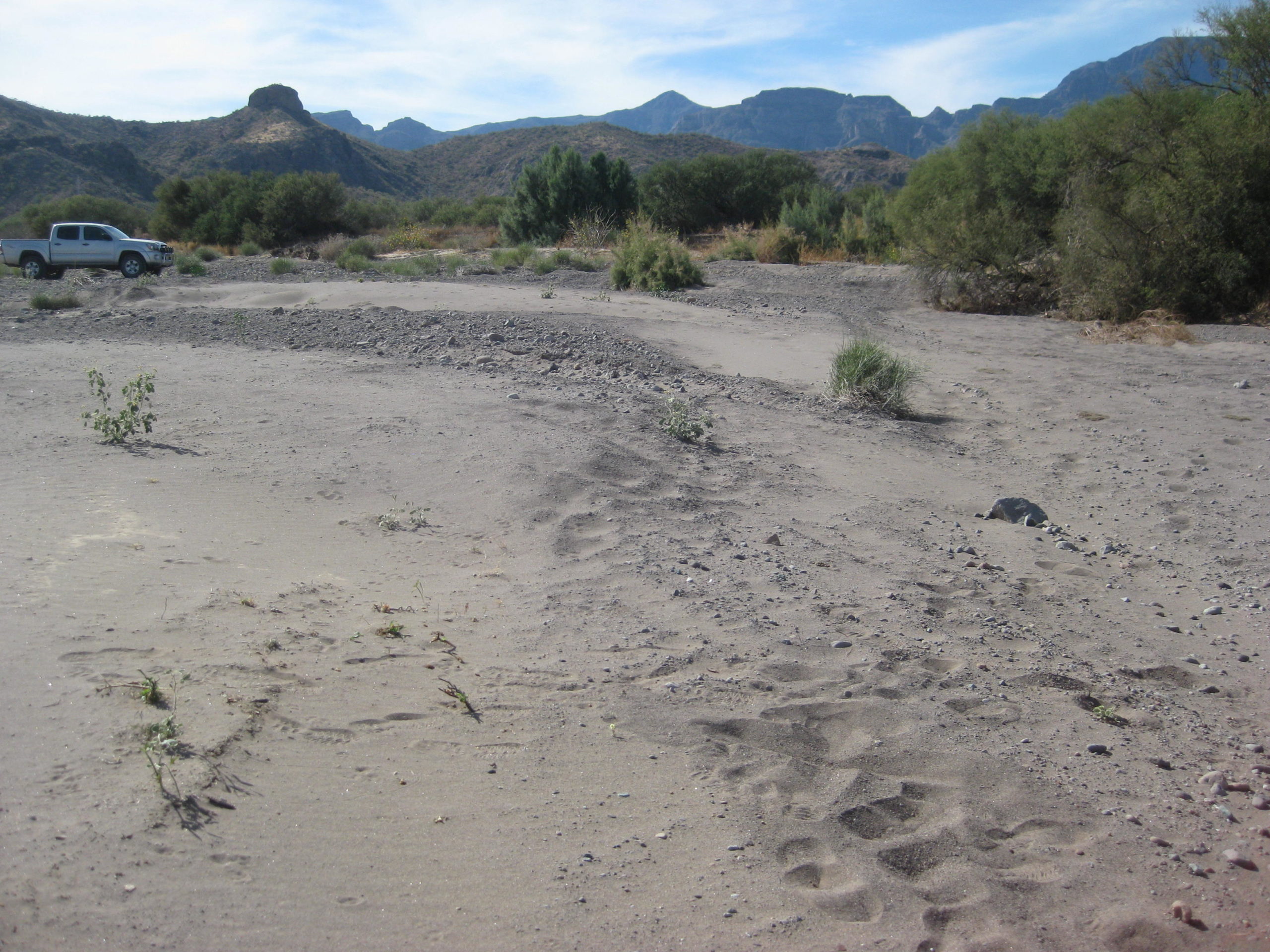
Condition: No ruins since 2001.
Closing date: Abandoned in 1721.
GPS: 25.739500, -111.264167
Access: Mex. #1 Km. 84 (south of Loreto) east 1/2 mile.
Read more: HERE
February 2017 photos by David Kier
July 2012 photos by David Kier


July 2009 photos by David Kier


May 2003 photo by Jack Swords

December 2001 photos by David Kier

1977 photo by W. Michael Mathes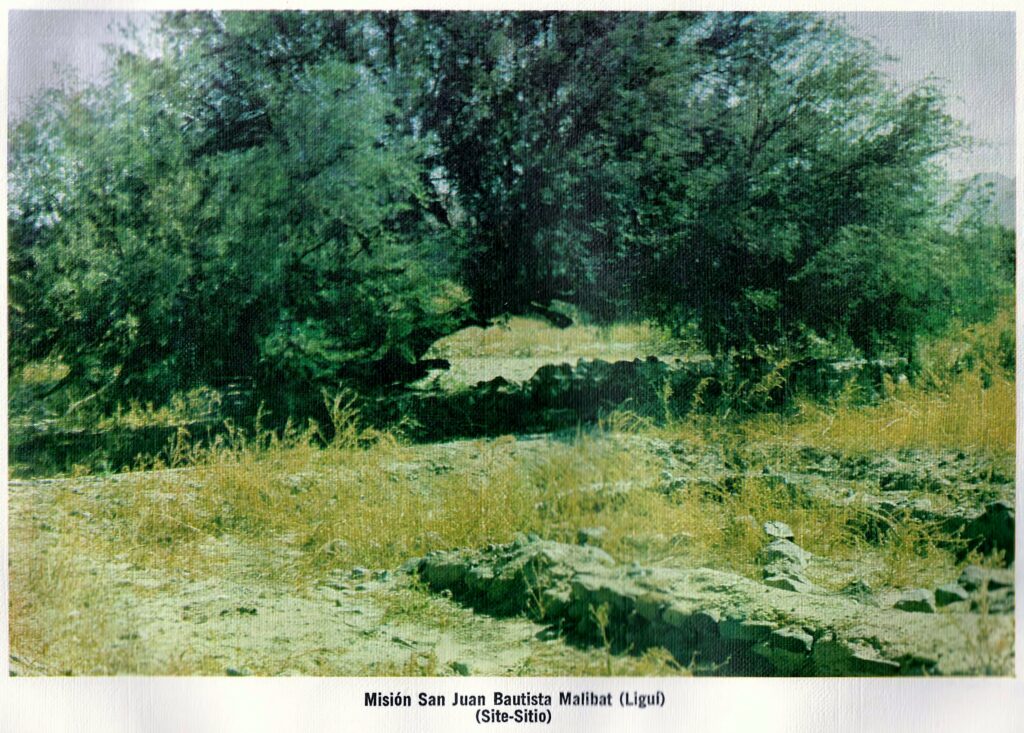
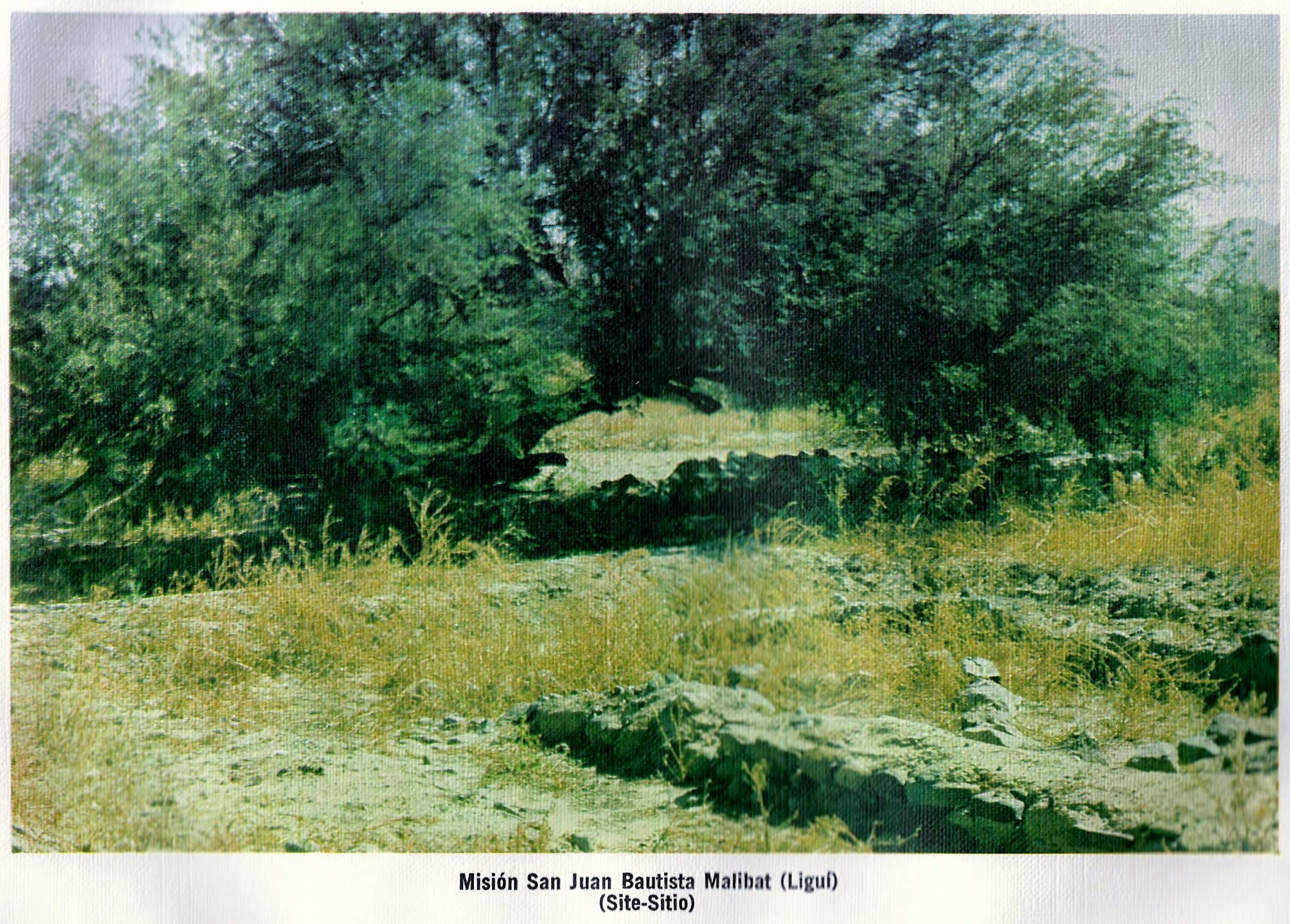
1975 photo by Robert H. Jackson

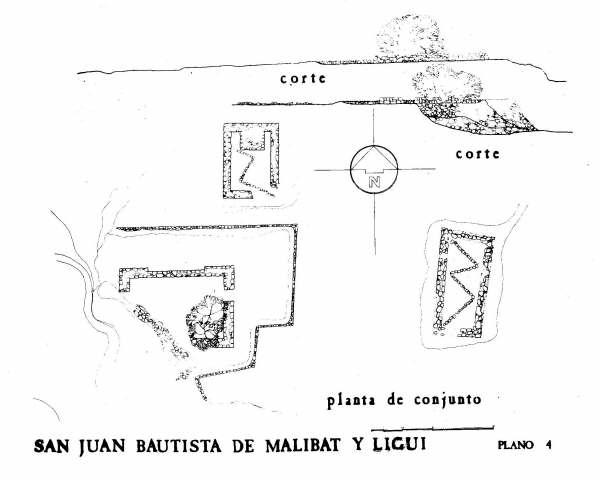
INAH site Plan
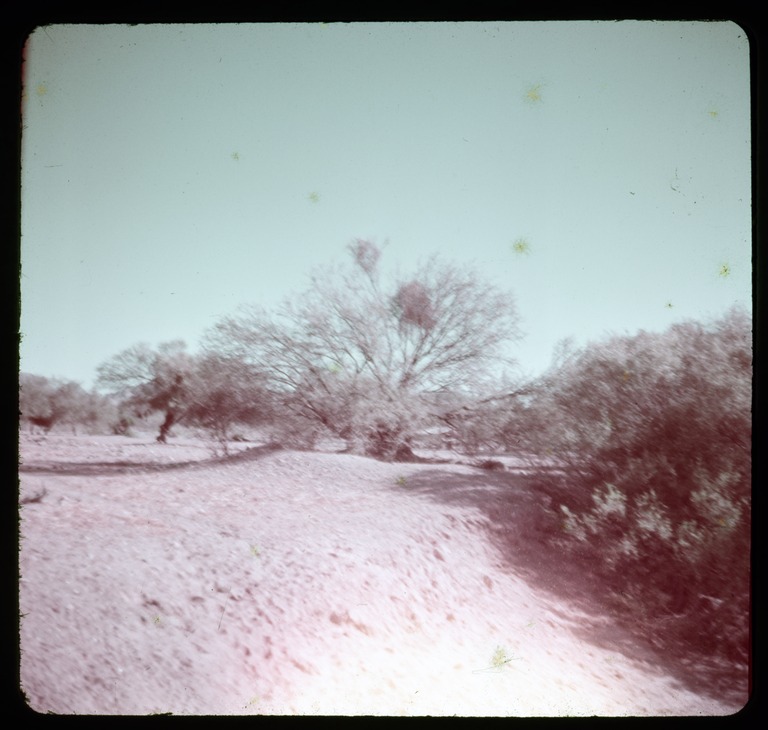
1950 photo by Marquis McDonald

I hope this was interesting or informative for you! Please be welcome to join our Baja California Land of Missions Book Group, on Facebook: HERE
- All the missions, quick look and history, north to south: HERE
- Other mission photo pages plus more Baja California history: HERE
- VivaBaja.com home page
The following chapter is from my book, Baja California Land of Missions Order your own copy from Amazon Books: HERE
#3 San Juan Bautista de Ligüí/Malibat (1705-1721)
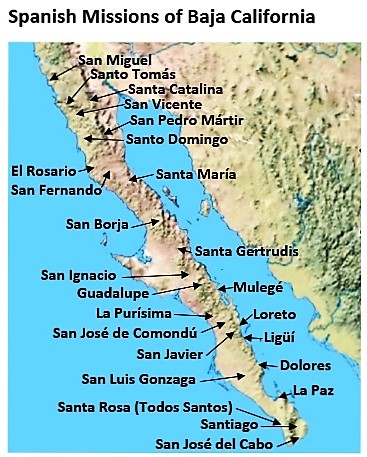
Mission San Juan Bautista de Ligüí was founded by the Jesuit Padre Pedro de Ugarte in late November of 1705 among the Monqui Indians. Padre Ugarte left Loreto on November 21 with a band of soldiers and previously converted Indians. Pedro Ugarte located his new mission near the beach, twenty-one miles south of Loreto. Ligüí was the Monquí name for the location. Eventually, the mission was repopulated with Cochimí Indians, who had called the location Malibat. A third group of Indians lived on the nearby islands. They were the fierce Pericú tribe who resisted conversion and often raided the mission. The mission name often was known simply as San Juan in Jesuit letters. Today, a small village near the mission site is named using the original, Ligüí.
Padre Pedro de Ugarte’s first church was made from sticks, but he was eventually able to get help from the neophytes (baptized Indians) to make an adobe chapel. Two boys would become Ugarte’s assistants, but when he fashioned clothes for them to cover their nakedness, the other members of the tribe laughed and teased them so much that they removed their garments when they went outdoors.
The mission was never very successful because of the poor water supply and Indian raids. A Jesuit was not always stationed here after ill health forced Ugarte to depart for the mainland in 1709. Another blow to the mission happened when its benefactor, Juan Bautista López, went bankrupt and the mission’s funding was lost although the Jesuits found the means to continue it. Ugarte was replaced by Padre Francisco Peralta, who served San Juan Bautista de Malibat mission from 1709 to 1711. The last Jesuit assigned to the mission was Padre Clemente Guillén from 1714 to 1717 and again from 1719 until the mission was closed in August 1721.
With a new benefactor providing funds, Padre Guillén reestablished the mission over fifty miles south at a better site called Apaté. The new mission was named Los Dolores and was much more successful than the mission at Ligüí/Malibat had ever been.
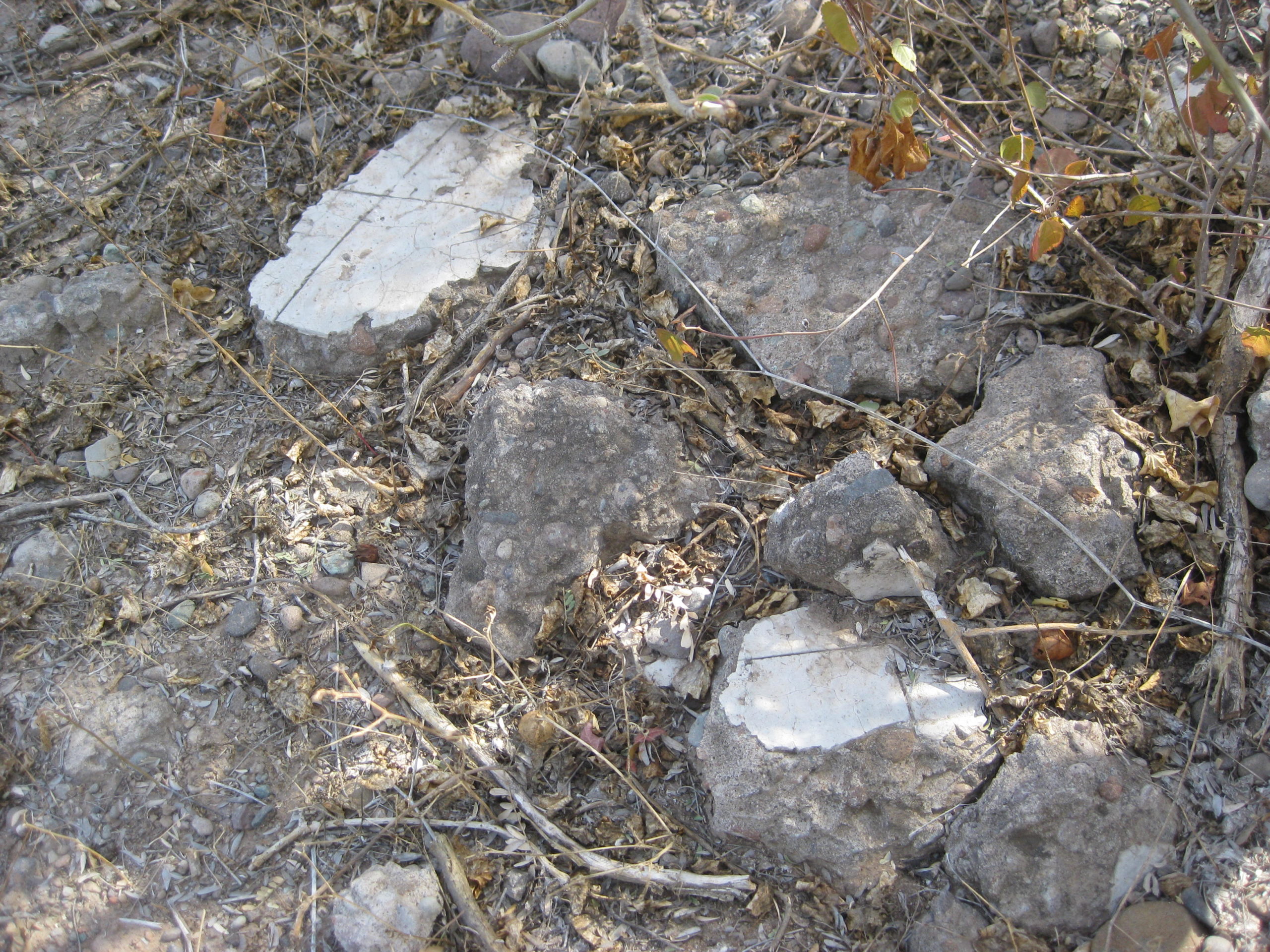
The Ligüí mission site was obliterated by flash floods after the arroyo widened and began to undermine the site between 1973 and 2001. Construction of Mexico’s Highway One has been named as the cause for the arroyo’s diversion into the mission church foundations. A large white cross serving as a monument to the mission was erected next to the original site. Unfortunately, it was washed away as the arroyo continued to widen. Nothing marked the spot in 2017.
The village of Ligüí is on Highway One about twenty-one miles south of Loreto, just before the highway climbs into the Sierra la Giganta mountains. Turn off the highway at the town’s sign and head straight for the gulf coast. Another sign is reached in a half mile that shows a left turn for Playa Ligüí beach. The right fork goes south to the village of Ensenada Blanca. Just past the fork, now in the arroyo, was the location of the mission. Just beyond the original site, next to the beach road, was a white cross and outlined area serving as a monument for the vanished mission. This was 0.6 mile from Highway One and it too was swallowed by the widening arroyo.
Jesuit Missionaries recorded at San Juan Bautista de Ligüí:
Pedro de Ugarte 1705-1709
Francisco Peralta 1709-1711
Clemente Guillén 1714-1721
See the other mission pages: https://vivabaja.com/baja-mission-albums/