Full name: La Purísima Concepción de Cadegomó
Founding date: January 1, 1720 Mission #6
Catholic Order: Jesuit
Founded by: Padre Nicolás Tamaral
Condition: No church ruins, two crypts remain to mark the mission.
Closing date: Closed in 1826.
GPS: 26.190444, -112.072944
Access: One block north of paved BCS #53, east end of town, 72 miles north of Ciudad Insurgentes.
Read more: HERE
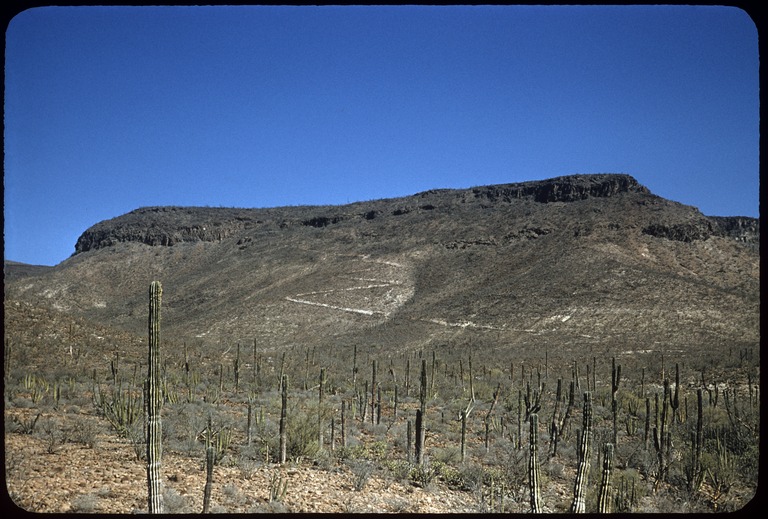
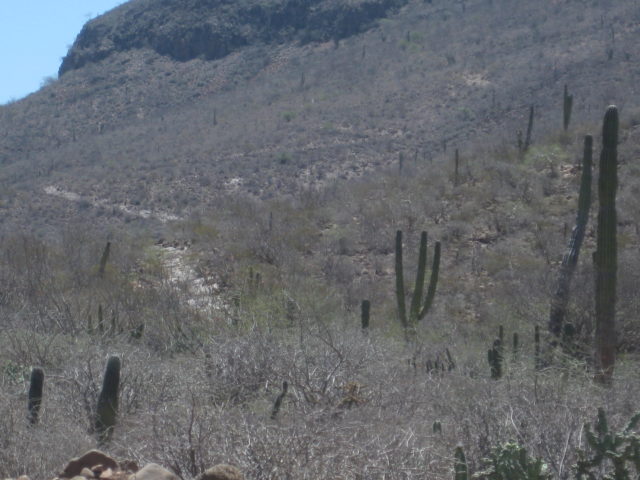
2017 photos by David Kier (Feb. & Aug.)
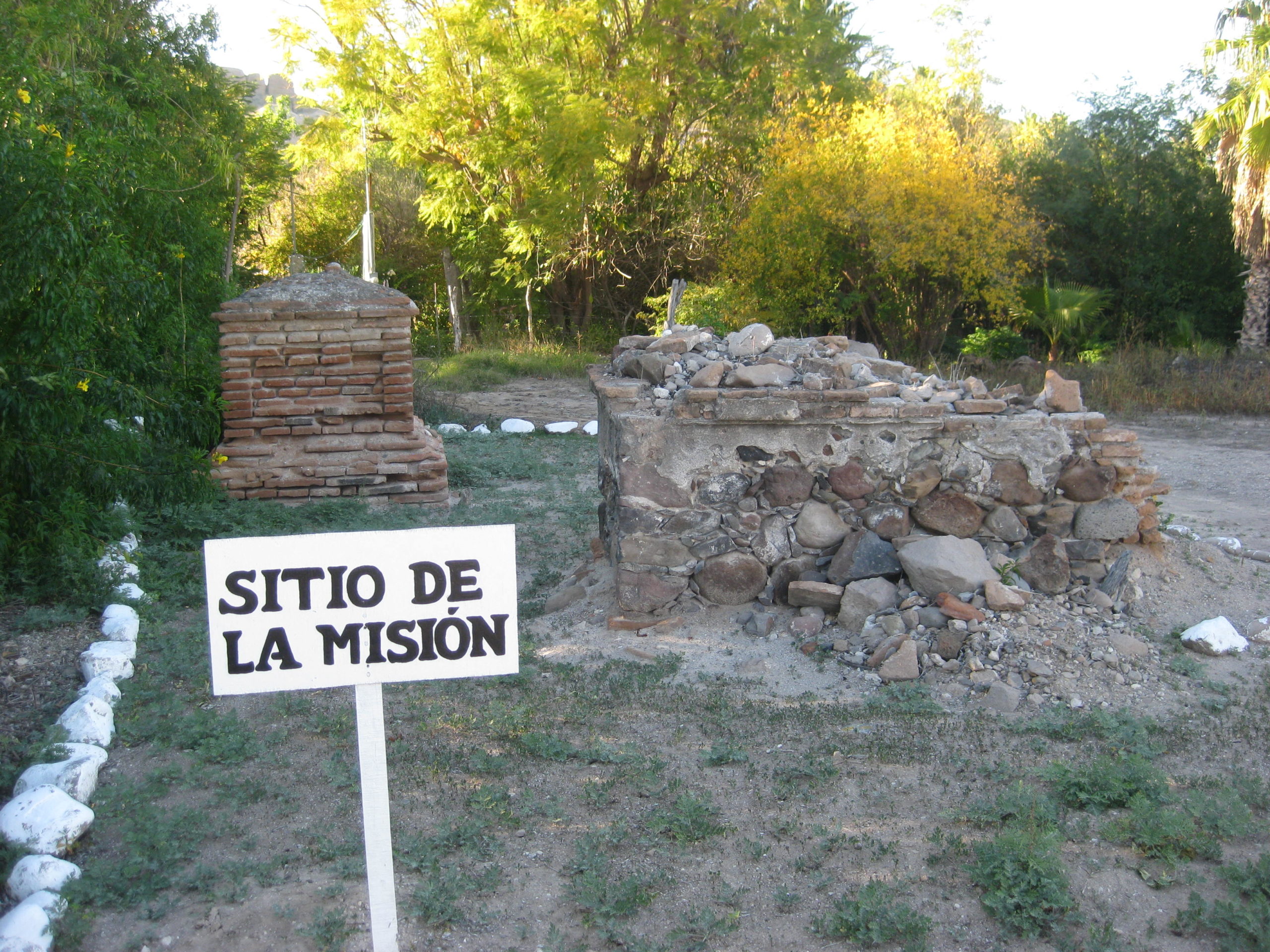
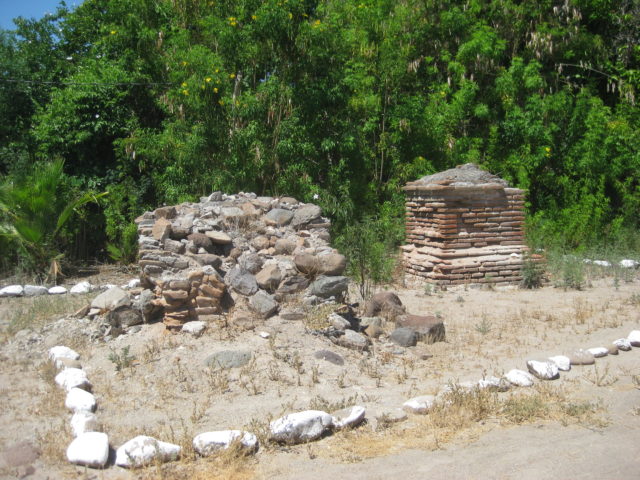
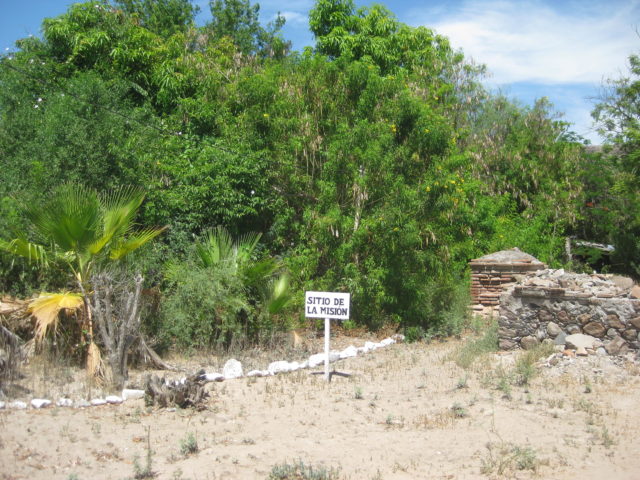
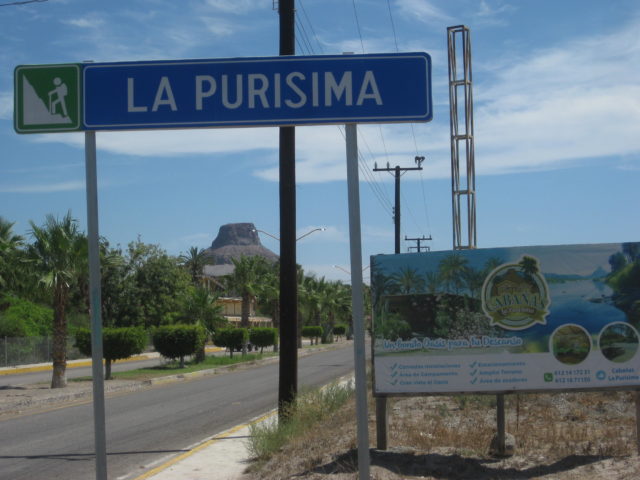
1956 photos by Howard Gulick


1950 photo by Marquis McDonald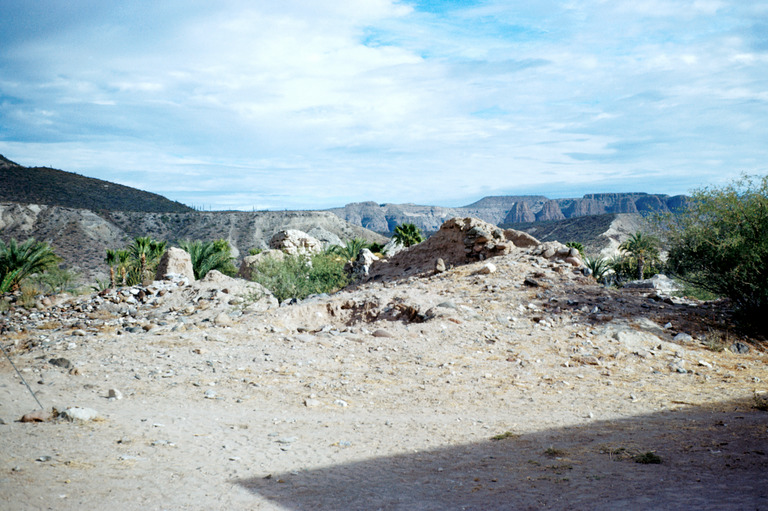
1926 photo by Edward Davis
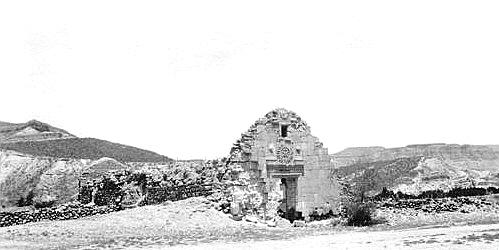
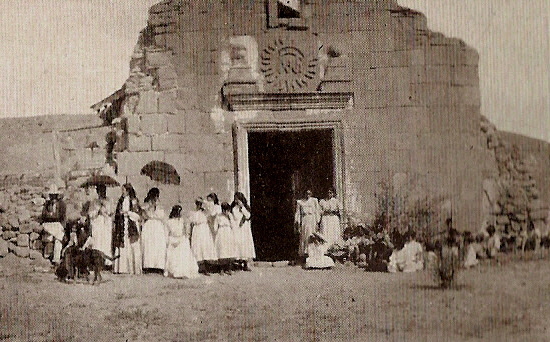
1906 photo by Arthur North, Camp and Camino in Lower California

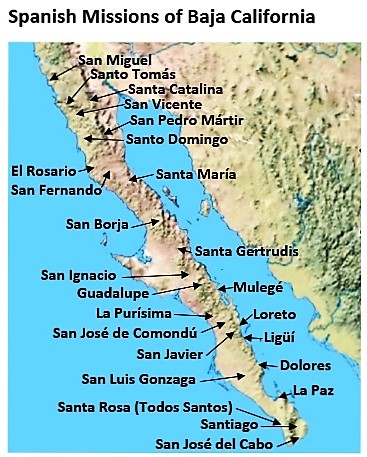
Maps

I hope this was interesting or informative for you! Please be welcome to join our Baja California Land of Missions Book Group, on Facebook: HERE
- All the missions, quick look and history, north to south: HERE
- Other mission photo pages plus more Baja California history: HERE
- VivaBaja.com home page
The following chapter is from my book, Baja California Land of Missions Order your own copy from Amazon Books: HERE
#6 La Purísima Concepción de Cadegomó (1720-1826)
The sixth California mission was founded on January 1, 1720, by Jesuit Padre Nicolás Tamaral at a site originally discovered in 1712 by Padre Francisco Píccolo while exploring southwest from Mulegé. Píccolo found an ideal site with many rancherías nearby and promised the natives to provide them with their own padre and a mission. With an endowment from the Marqués de Villapuente, and access trails constructed, Padre Tamaral arrived to begin the new mission. The first structure was made of branches and straw. From 1720 to 1722, he split his time between the new mission and the San Javier mission visita of San Miguel, where he had been assigned since 1717. In early September 1722, Tamaral ended his duties at San Miguel and began a full-time commitment to La Purísima.
The mission prospered for several years. By 1730, the Cochimí Indian neophyte population had grown to 1,996 members. Padre Tamaral had great success growing grapes, pomegranates, figs, sugarcane, guava, sapote, lemon, wheat, and corn. No doubt the abundant food was a great attraction to the area’s Indian rancherías. Some have written that around the year 1735, the mission was moved ten miles south. While there are some foundation stones at a place called Purísima Vieja, Jesuit documents are lacking.
A Jesuit report made in 1744 indicates the mission was productive, owed nothing, and had a population of 156 families. A Franciscan report made in 1772 describes the church as made of stone and some adobe, roofed with tules (reeds or bulrush, Schoenoplectus acutus). It had some vineyards and many fig trees and pomegranates. Cotton was grown to clothe the Indians. A plague of locusts had destroyed the wheat and corn crops in 1771. A Dominican report in 1793 describes an adobe church seventy feet by eighteen feet, poorly furnished. The priest’s house was a spacious adobe room with a library containing 200 books.
Epidemics crushed this mission’s prosperity as they had at many others on the peninsula and the native population of La Purísima dropped to sixty-one by 1800. That was just five years after the neophytes from the abandoned mountain mission of Guadalupe had been transferred to La Purísima.
La Purísima functioned as a mission for 106 years before it too was abandoned for lack of native Indians. Mexicans from the mainland arrived later to take up farming in the lush valley. The irrigation canals built by the missionaries and their neophytes are still functioning close to 300 years later.
Photography shows that the mission church was still being used in the early 1900s but fell into ruin in the years that followed. By 1950 only small portions of the church walls remained. In 2017, only two crypts and some rubble are all that mark the mission’s location in the town of La Purísima. The site is reached by paved road from the south or a graded dirt road from the east.
Missionaries recorded at La Purísima:
Jesuit
Nicolás Tamaral 1720-1730
Francisco Osorio 1725-1726
Sigismundo Taraval 1730-1732
Jacobo Druet 1733-1753
Benno Ducrue 1753-1754
Franz Inama 1755-1757
Johann Bischoff 1758-1766
Juan Díez 1766-1768
Franciscan
Juan Crespi April 5, 1768
Miguél de la Campa y Cos 1768-1769
Juan Ignacio Gaston 1768-1773
Antonio Martínez 1769 (from Comondú)
Francisco Eschasco 1771
Martín Palacios 1771
Dominican
Francisco Galistéo and Juan Antonio Formoso May 15, 1773
José Estévez 1775-1782
Martín Zavaleta 1783
José Antonio Sánchez 1793-1822
Domingo Luna 1822-1826
See the other mission pages: https://vivabaja.com/baja-mission-albums/