Full name: San José del Cabo Añuití
Founding date: April 8, 1730 (relocated 3 times) Mission #12
Catholic Order: Jesuit
Founded by: Padre Nicolás Tamaral, Padre José de Echeverría
Condition: Modern church on final site.
Closing date: Closed from 1748 to 1768 and finally in 1840.
GPS: 23.062139, -109.695639
Access: Mex. #1 Km. 32 (south of La Paz) east & south 1 km.
Read more: HERE
2026 photo from Facebook (Portolá Expedition)
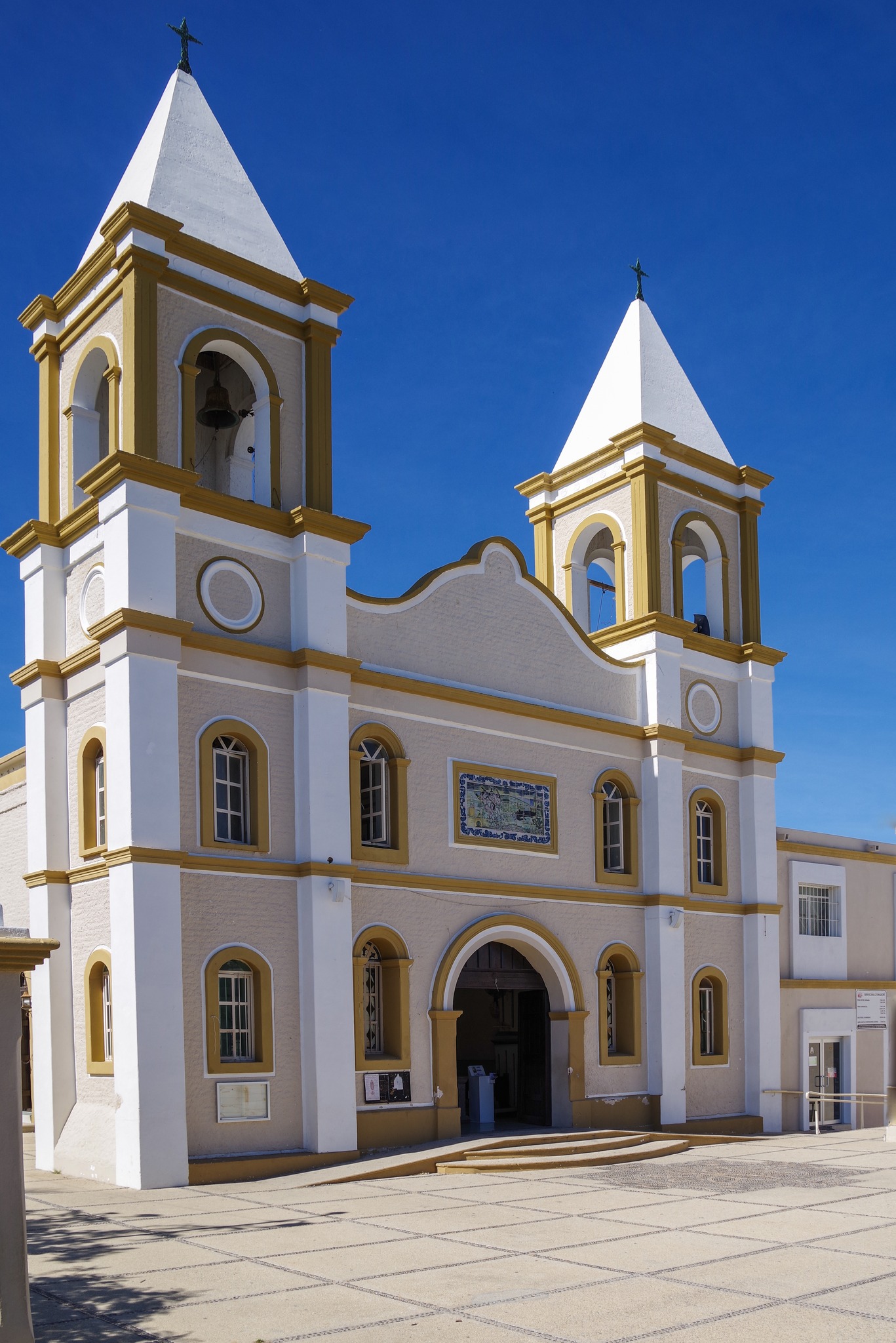
2012 photo by David Kier
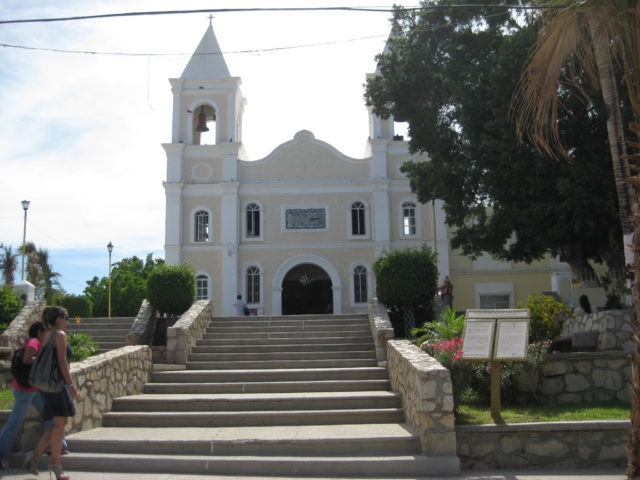
1976 photo by Harry Crosby
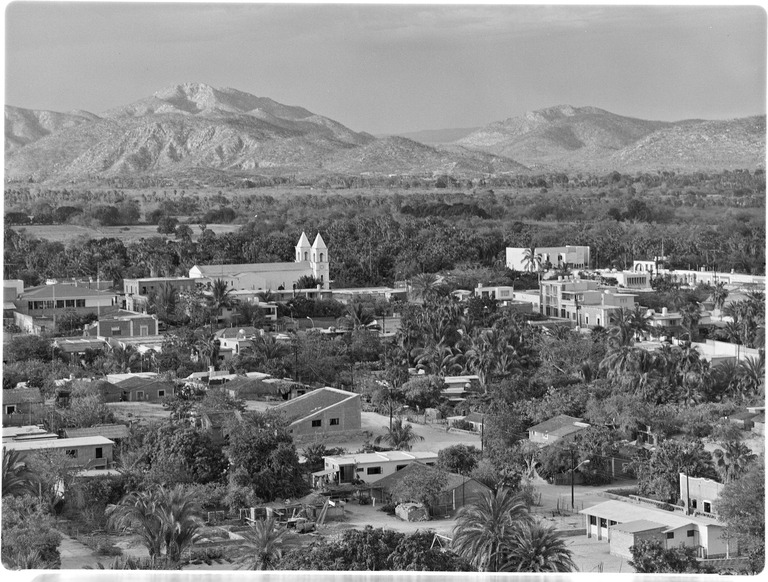
1957 photo by Howard Gulick
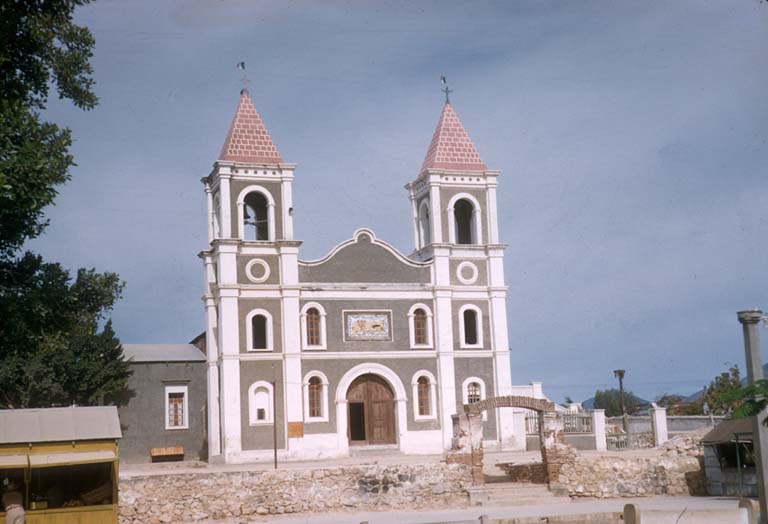
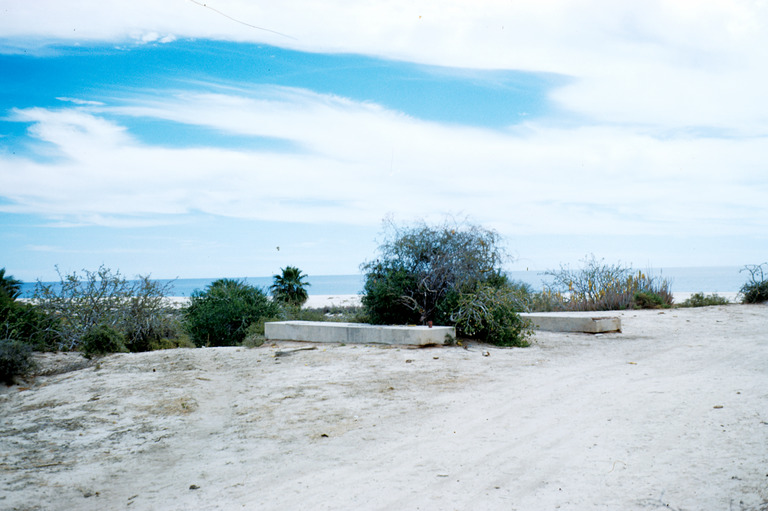
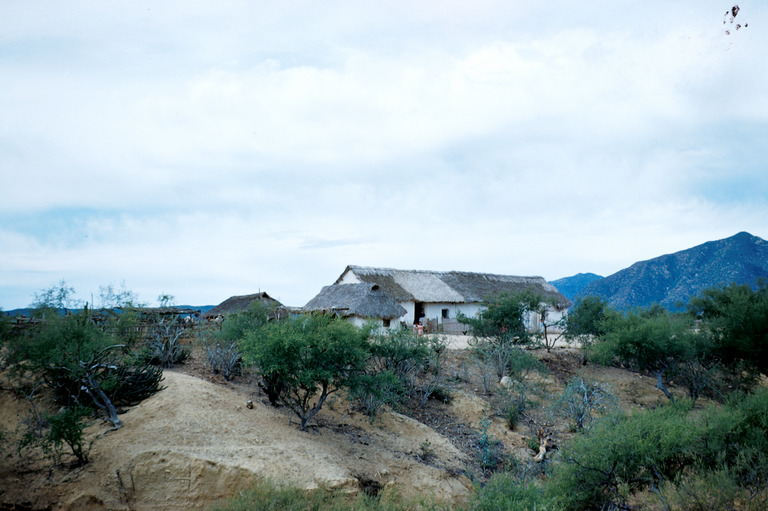
1950 photos by Marquis McDonald
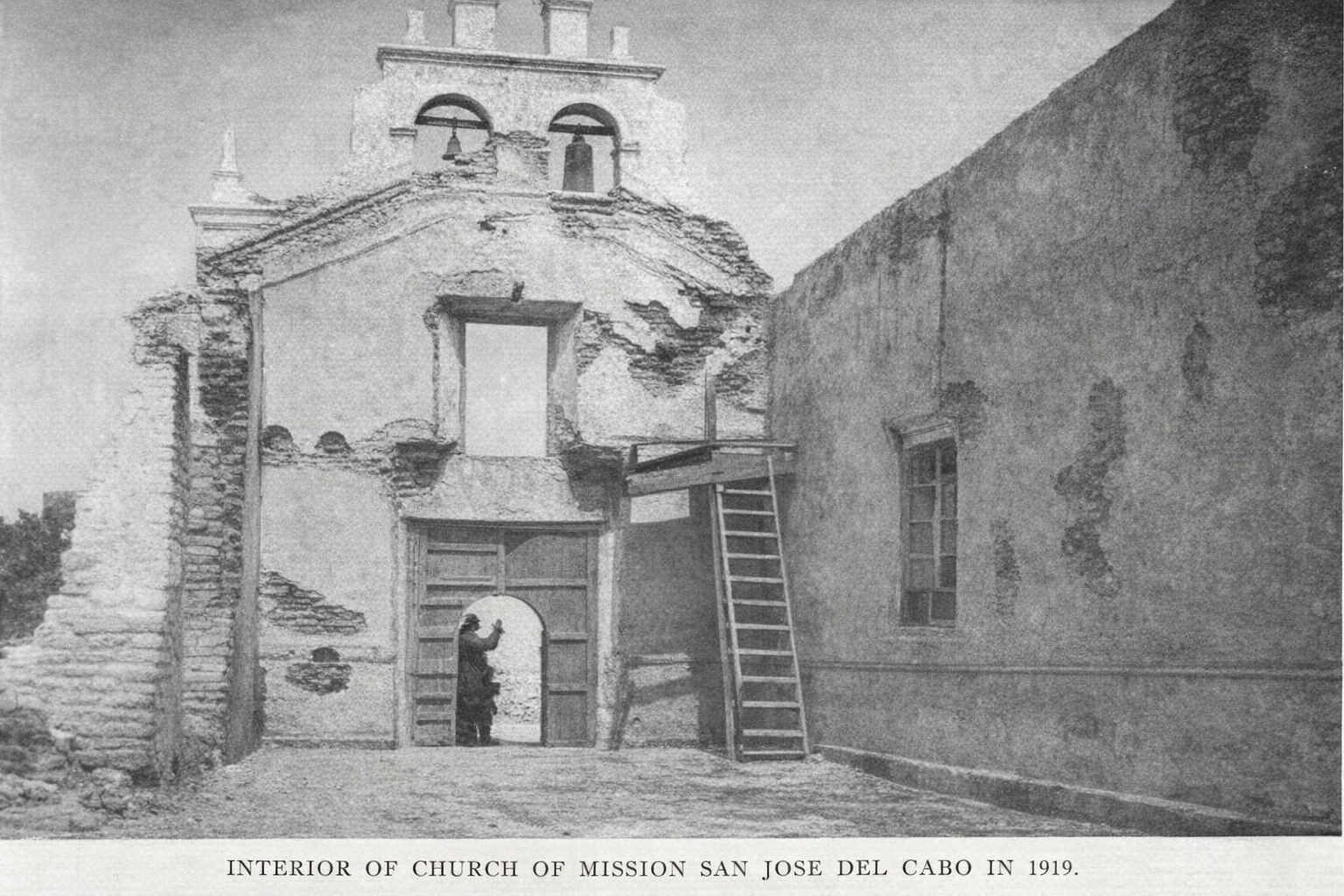
1919 photos by J.R. Slevin of the mission church

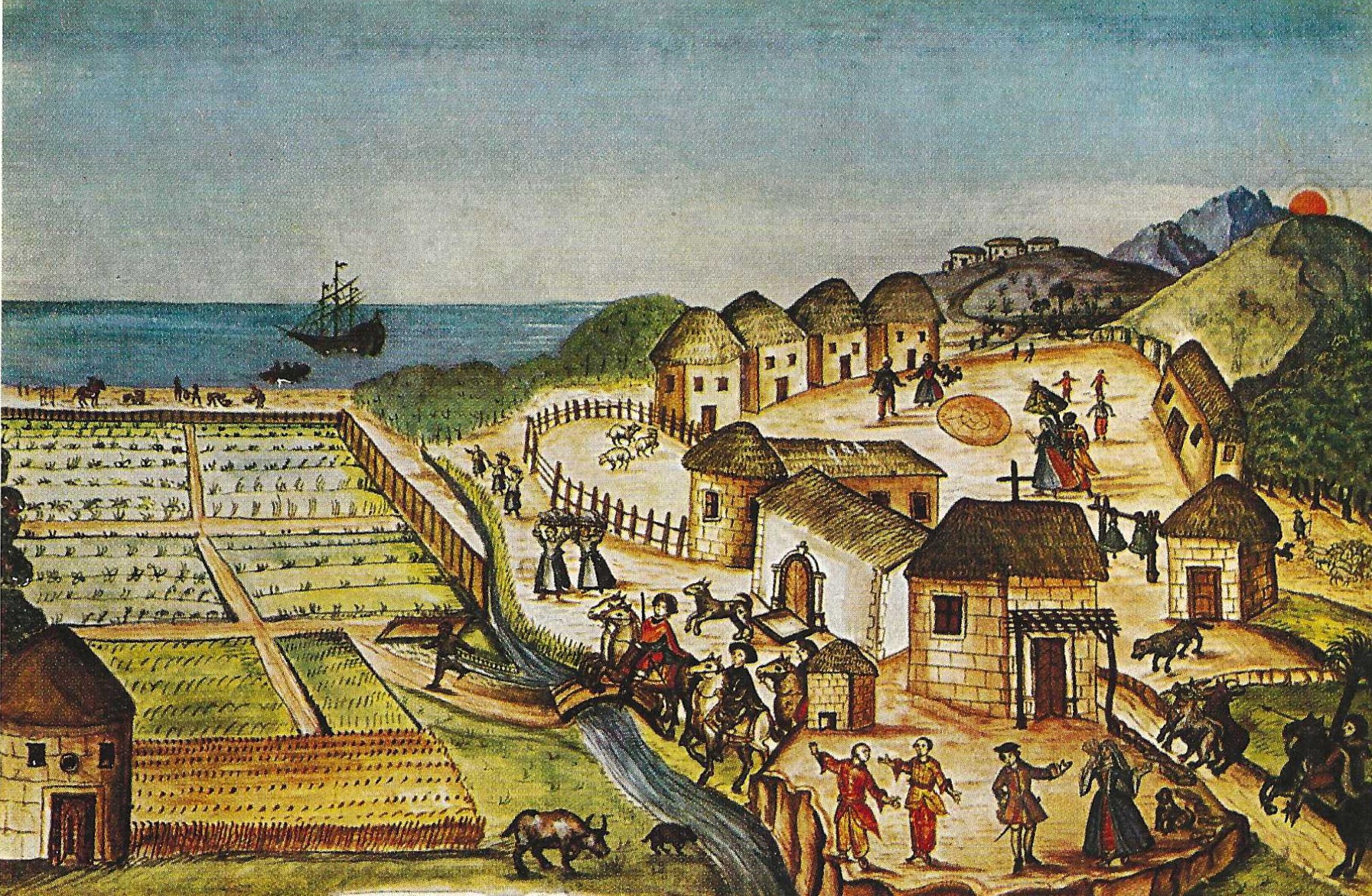
1763-1767
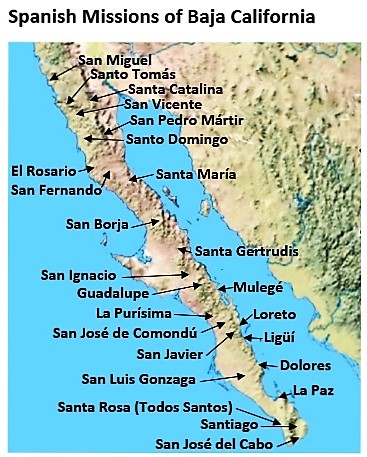
Maps

I hope this was interesting or informative for you! Please be welcome to join our Baja California Land of Missions Book Group, on Facebook: HERE
- All the missions, quick look and history, north to south: HERE
- Other mission photo pages plus more Baja California history: HERE
- VivaBaja.com home page
The following chapter is from my book, Baja California Land of Missions Order your own copy from Amazon Books: HERE
#12 San José del Cabo Añuití (1730-1748 and 1768-1840)
The next California mission was planned for the land of the Pericú. Besides the typical mission functions, it was also to provide support for the Manila Galleon, one of the original purposes for California missions. The Jesuit Visitador General, Padre José de Echeverría, chose Padre Nicolás Tamaral attending La Purísima to open the new mission.
In March 1730, Echeverría and Tamaral sailed south from Loreto to La Paz along with several Spanish soldiers. Following an inspection of the mission at La Paz, they traveled south to the visita of Todos Santos and mission of Santiago. A day’s journey south from Santiago, they found a suitable site on an estuary where a freshwater river reached the sea. On April 8, 1730, San José del Cabo was founded.
Two huts were constructed of palm leaves and reeds to serve as a chapel and a house for the padre. The Pericú did not appear in the numbers anticipated until two weeks later, when Echeverría and the soldiers left. Padre Tamaral was then approached by the Indians and converted as many as a hundred in a single day. In a letter from December 1730, Tamaral wrote to Echeverría that 823 had been baptized in the eight months since the mission was founded.
Poor soil and swarms of mosquitoes forced Tamaral to move the mission further inland to a place known as Añuití.
A major issue the Jesuits had with converting the natives to Christianity was the habit of the men of having several wives. Padre Tamaral wrote of the issue to the mission’s benefactor, the Marqués de Villapuente, on June 15, 1731. Tamaral describes how the wives compete with one another to gather the most food while their husbands rest all day in the shade with no need to work. Tamaral believed that only by halting polygamy was there any hope to get some work performed by the “lazy men!” Since Pericú women outnumbered men, polygamy was desired by the females for survival in the all-important family group.
It became obvious that the Jesuit imposed monogamy rule was not appreciated by the Pericú.
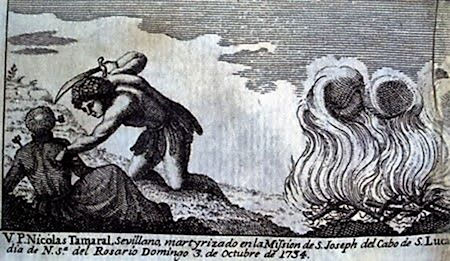
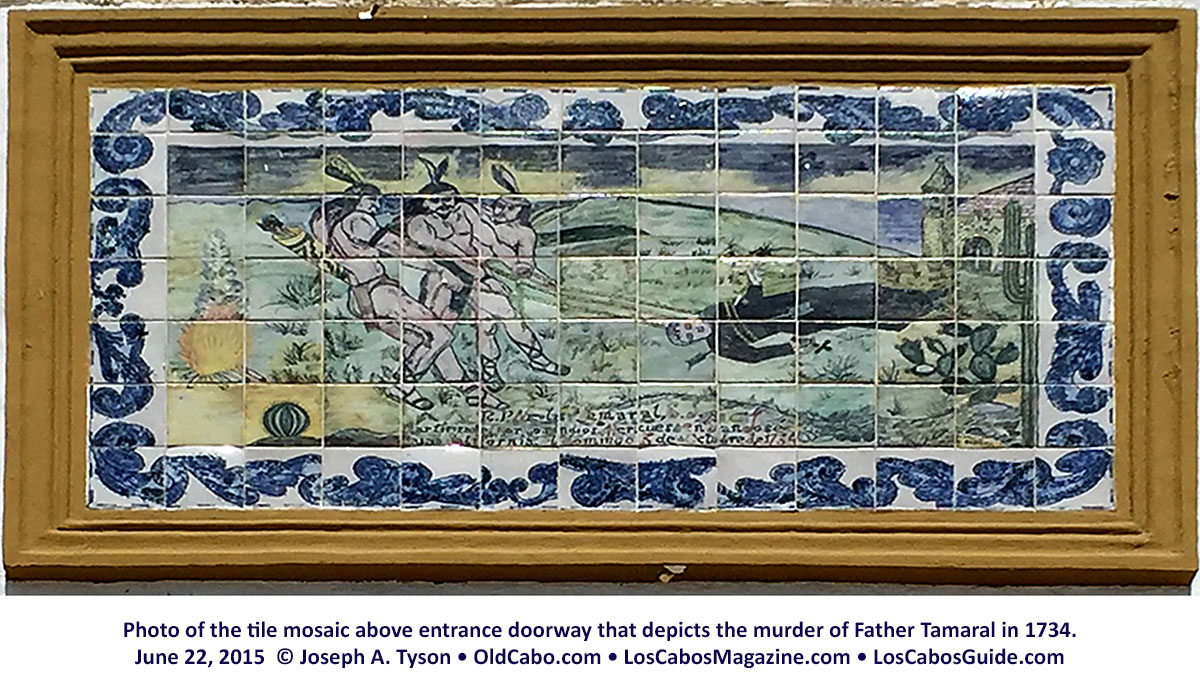
The revolt of October 1734 cost the life of Tamaral and his fellow Jesuit, Padre Carranco of Mission Santiago. This mission and others of the south were destroyed as the Indians of different tribes united against the Jesuits and Spanish.
The result of the destruction of missions at Pilar de la Paz, Santiago, San José del Cabo, and Santa Rosa was that they remained deserted while the Spanish organized a response. Unknowingly, in January 1735, the Manila Galleon anchored offshore from San José del Cabo to obtain supplies after its long voyage across the Pacific. Thirteen men who came ashore in a longboat were massacred. Some Pericú men canoed out and tried to overtake the galleon, but they were repulsed, and the ship weighed anchor and left for Acapulco.
The Spanish response to the uprising was carried out in February 1736 by Bernal de Huidobro, the governor of Sinaloa, with forty soldiers. They labored for a year and a half to capture all the hostile Indian leaders who were eventually banished to the mainland of Mexico. A decision was likewise made in 1736 to establish an independent military fort called the Presidio of the South at San José del Cabo.
The Presidio of the South was established at San José del Cabo in 1737 in order to station more troops in the region. Calm prevailed and rebuilding began in early 1737 when the mission of San José del Cabo was reestablished closer to the estuary near the new presidio. In 1741, the presidio was reduced in status and became an escuadra (sub-presidio).
Epidemics in 1742, 1744, and 1748 caused a drop in neophyte population to such a degree that in 1748 the mission of San José del Cabo was closed, and it became a visita of Mission Santiago. The Escuadra del Sur also moved to Todos Santos in 1748. A final location change for the San José del Cabo church was made in 1753 to just north of the estuary.
On November 30, 1767, the newly appointed governor of California, Capitán Gaspar de Portolá, and twenty-five armed soldiers landed on the beach at San José del Cabo to organize the surprise removal of all Jesuits from the peninsula. Padre Ignacio Tirsch made the ride south from his mission at Santiago as the first California Jesuit to greet Portolá, not aware of the orders Potolá brought.
San José del Cabo was returned to full mission status by the Franciscans who replaced the Jesuits, in 1768. In the few months the missions were without their padres, the neophytes became demoralized, and the Franciscans had to undo damage done by the Spanish soldiers who were briefly in charge. The new Spanish inspector-general, José de Gálvez, was determined to equalize populations at the missions, and in September 1768 he ordered forty-four neophytes moved from San Javier to San José del Cabo. All but three of them died during an epidemic in 1769.
The Franciscans would soon be in charge of the new region north of the peninsula, then called Nueva (New) California. After five years, the Dominicans arrived to begin operating the existing peninsula missions of Antigua (Old) California.
In April 1795, the mission of Santiago was closed, and its few remaining neophytes were relocated to San José del Cabo. In 1799, a large adobe building was erected to replace the former San José del Cabo mission church destroyed in floods of 1793. The Indian population did increase, however, to 200 by the year 1800.
The mission was sacked in 1822 when the English admiral Thomas Cochrane used Chilean ships to harass any remaining Spanish officials who had not yet surrendered to the newly independent Mexican government. This was an act of piracy as the ships were made to appear as whaling vessels. Cochrane and the Chileans also pillaged the missions at Todos Santos and Loreto. Cochrane was a British naval captain who was appointed the first admiral of the Chilean Navy in 1818 and made a major contribution to winning independence for Chile from Spain before sailing to Baja California.
Mission services to native Californians at San José del Cabo ended about 1840, but Dominican priests continued active at the church for several years to serve the new Mexican population arriving from the mainland. The last Dominican missionary to serve at San José del Cabo was Padre Gabriel González. Padre González and Padre Tomás Mansilla, the only other Baja California Dominican, left the peninsula together in February 1855. A modern church occupies the final mission site in the city of San José del Cabo.
Missionaries recorded at San José del Cabo:
Jesuit
Nicolás Tamaral 1730-1734
(Vacant 1734-1736)
Sigismundo Taraval 1736-1738 and 1741-1746
Miguel Barco 1737
Lamberto Hostell 1738-1740
Karl Neumayer 1747 and 1750-1751
(Mission closed and became a visita of Santiago 1748-1768)
Franciscan
Juan Moran April 5, 1768
Juan Antonio García Riobó 1770-1773
Francisco Villuendas 1771
Dominican
Gerónimo Soldevilla and José Lafuente May 15, 1773,
Francisco Hontiyuélo 1794
Rafael Arviña 1795-1796
Eudaldo Surroca 1797-1798
Pablo María de Zárate 1798-1821
Ignacio Ramírez 1835-1841
José de Santa Cruz 1841-1844
Gabriel Gonzáles 1846-1848
See the other mission pages: https://vivabaja.com/baja-mission-albums/