Full name: Santa Rosalía de Mulegé
Founding date: November 1705 Mission#4
Catholic Order: Jesuit
Founded by: Padre Juan Basaldúa
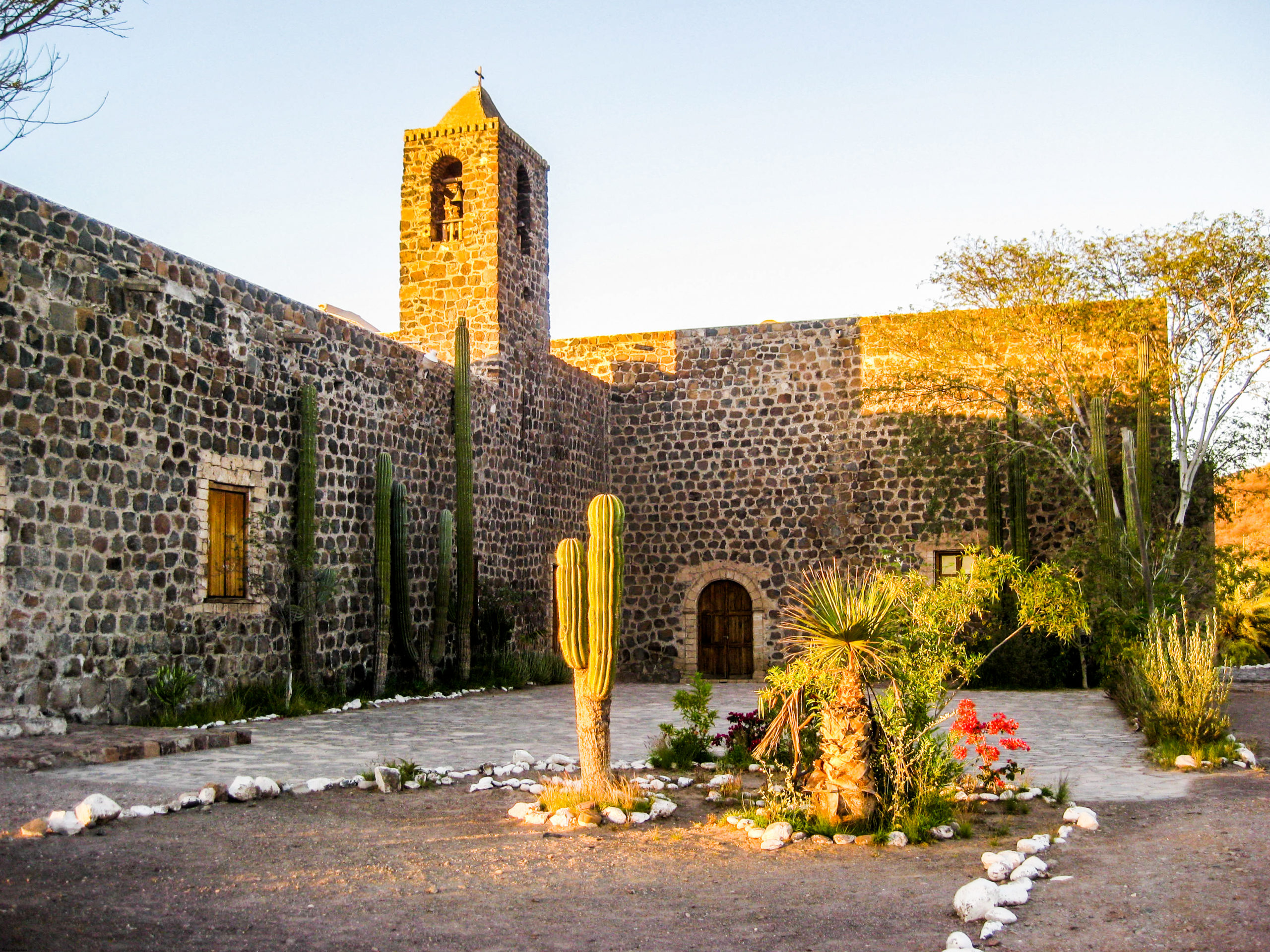
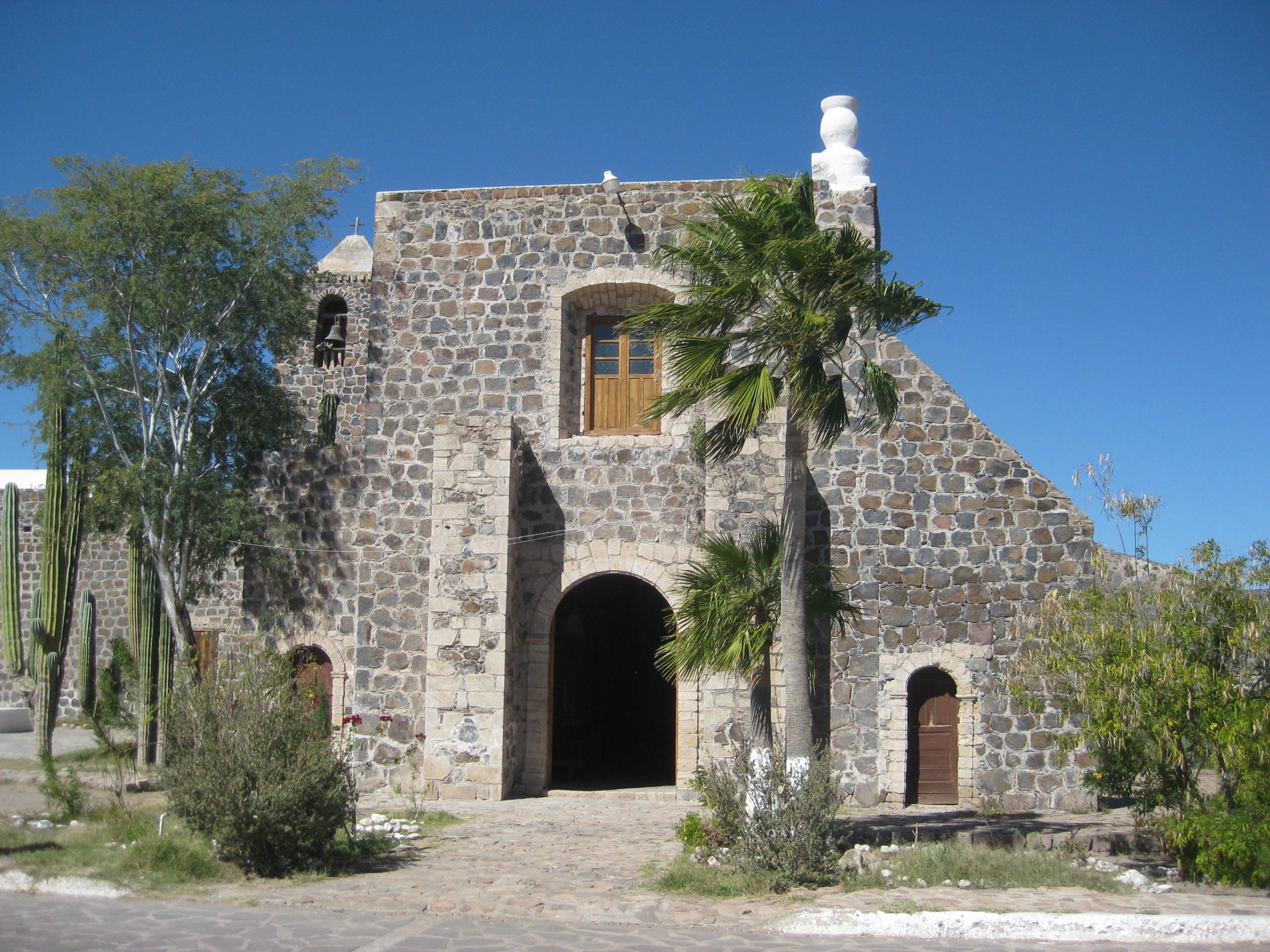
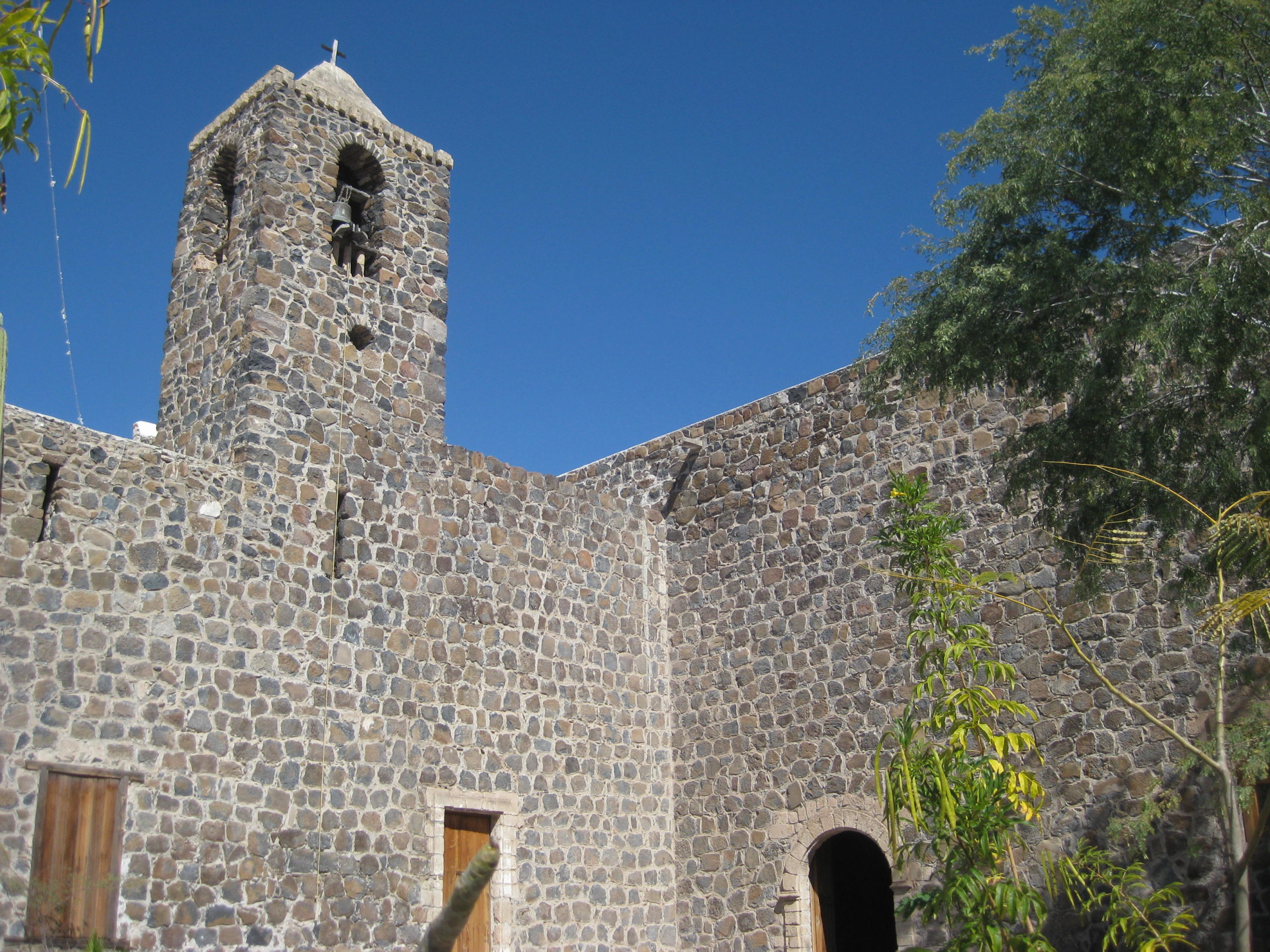
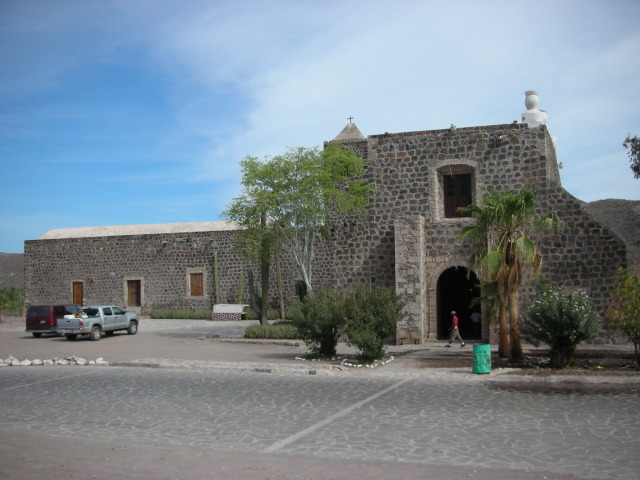
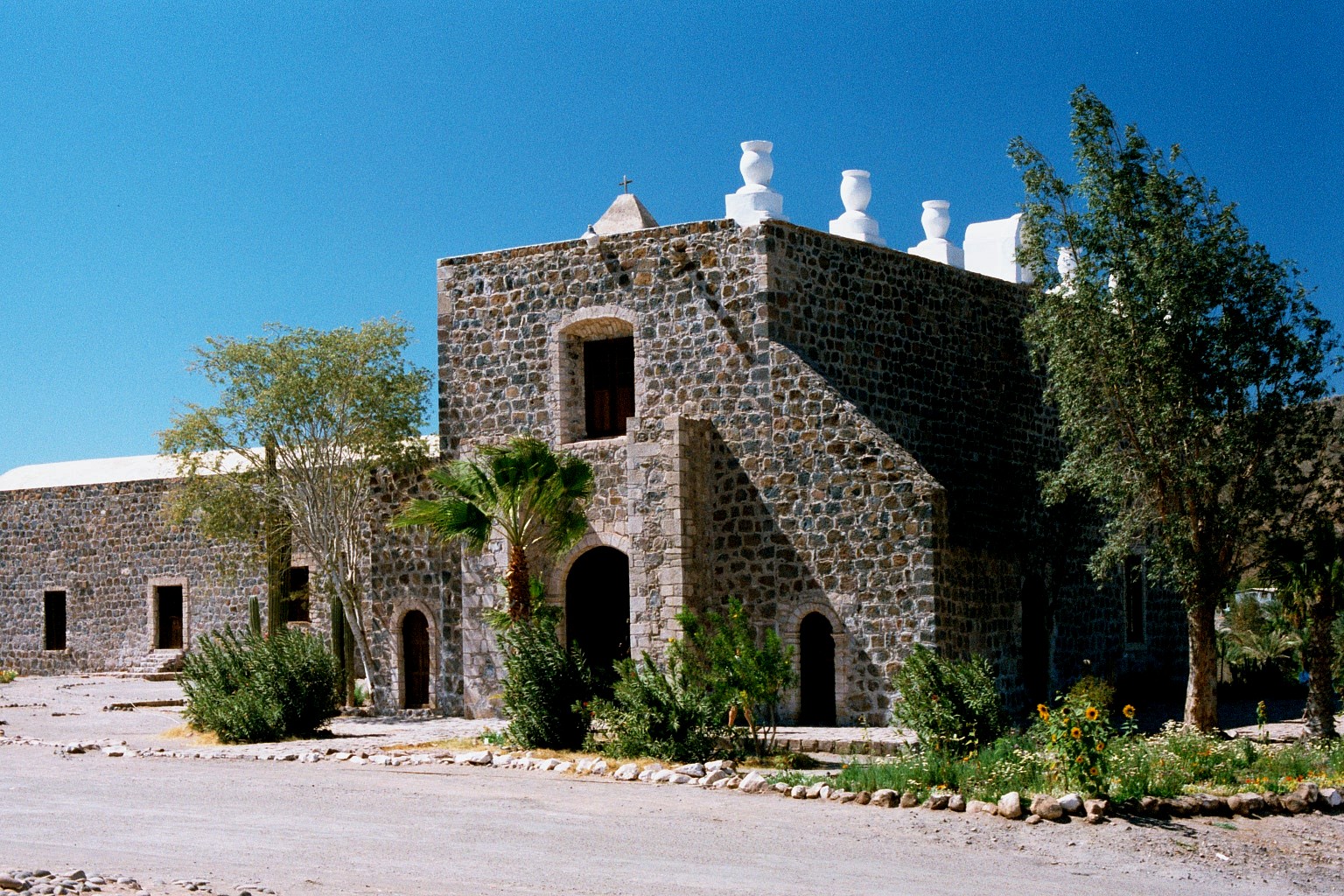
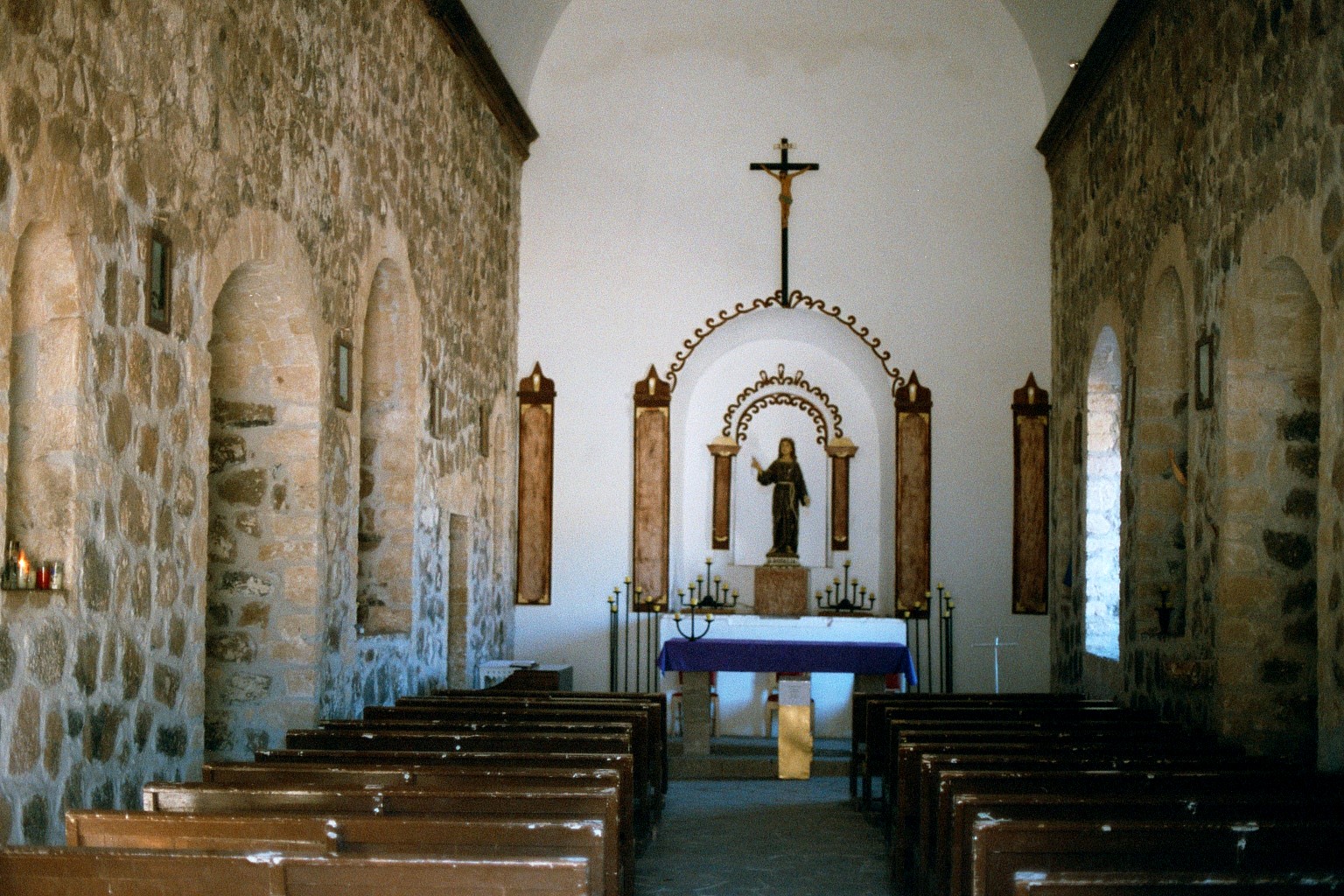
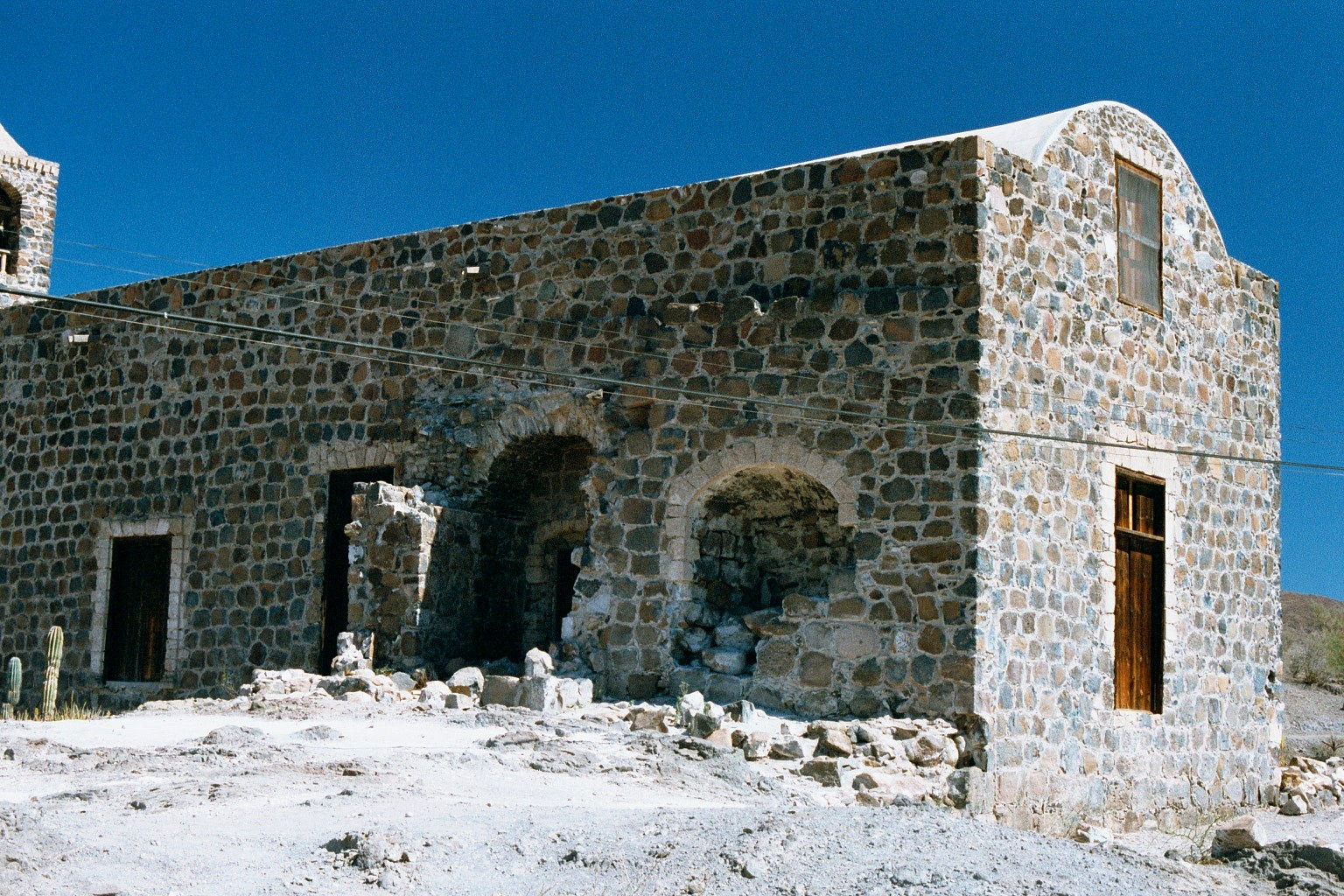
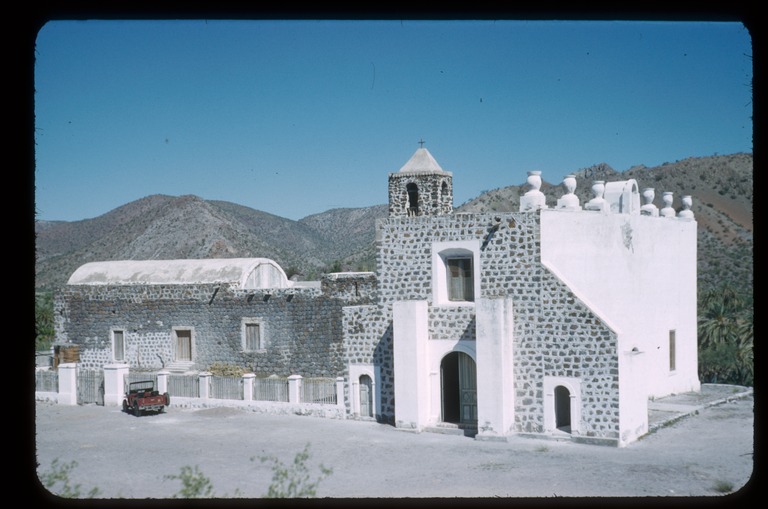
Condition: Stone church constructed 1757 to 1766.
Closing date: Closed in 1828.
GPS: 26.885339, -111.985979
Access: Mex. #1 Km. 134 west 1 km.
Read more: HERE
May 2019 photos by David Kier
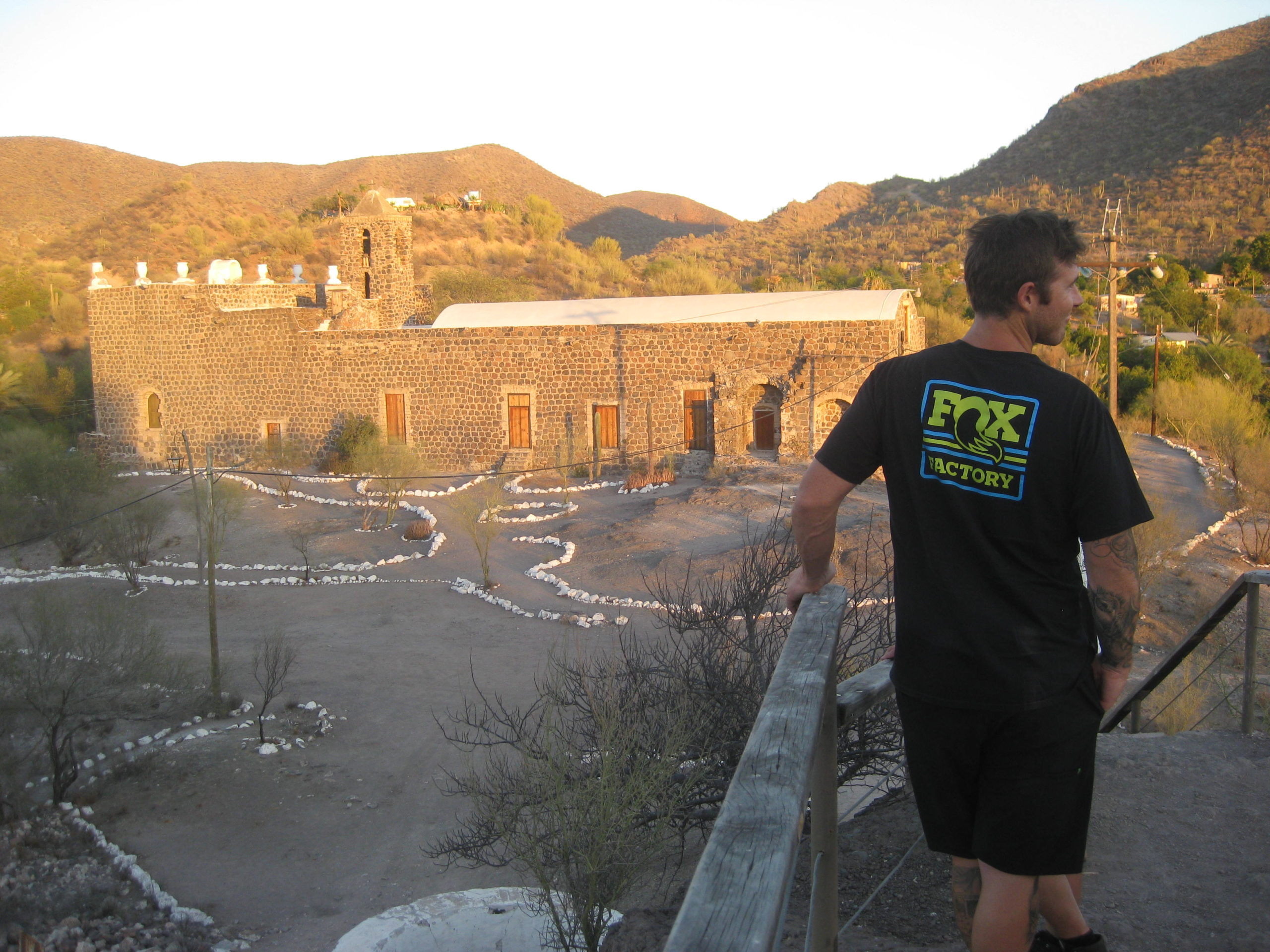
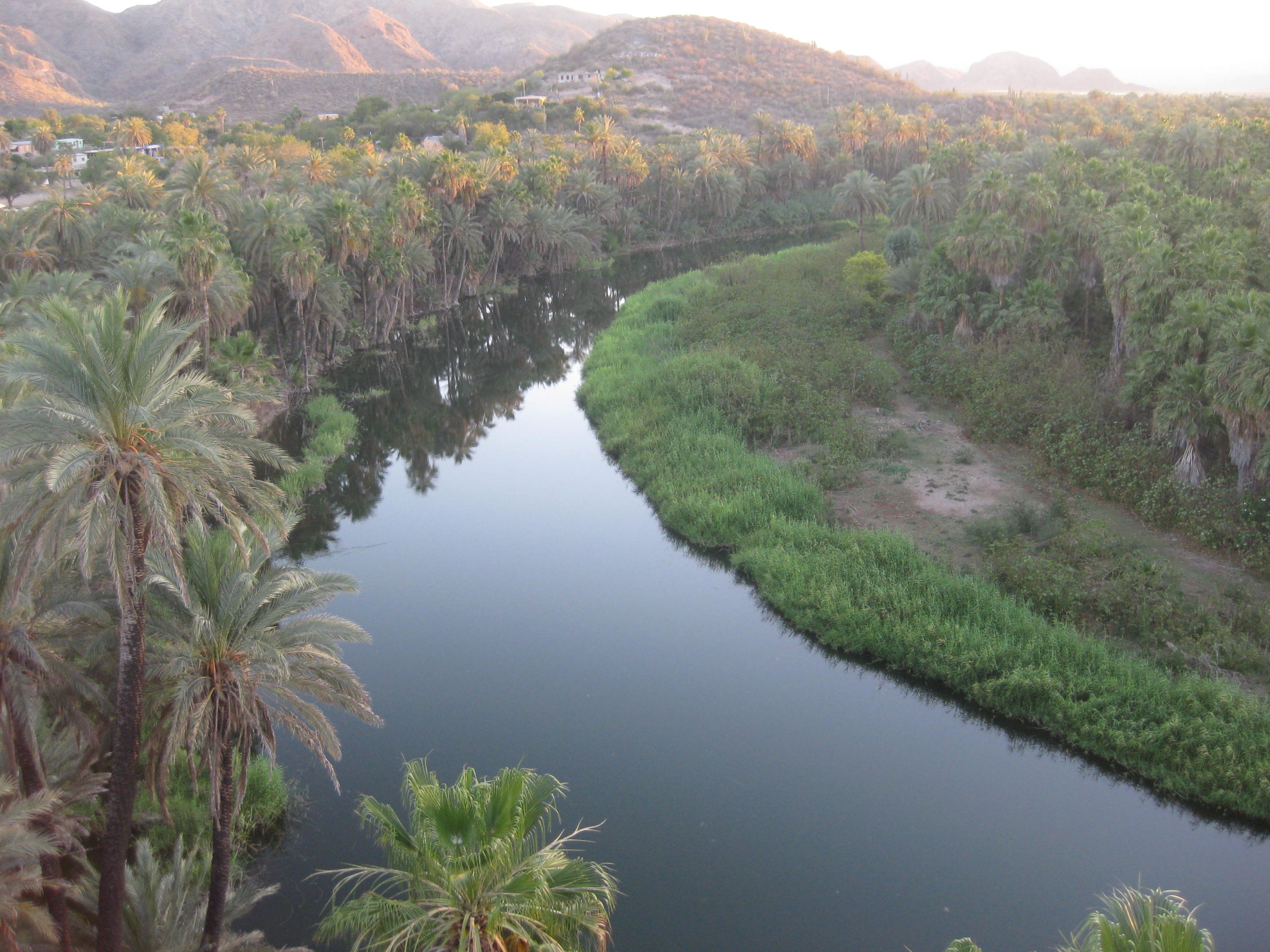
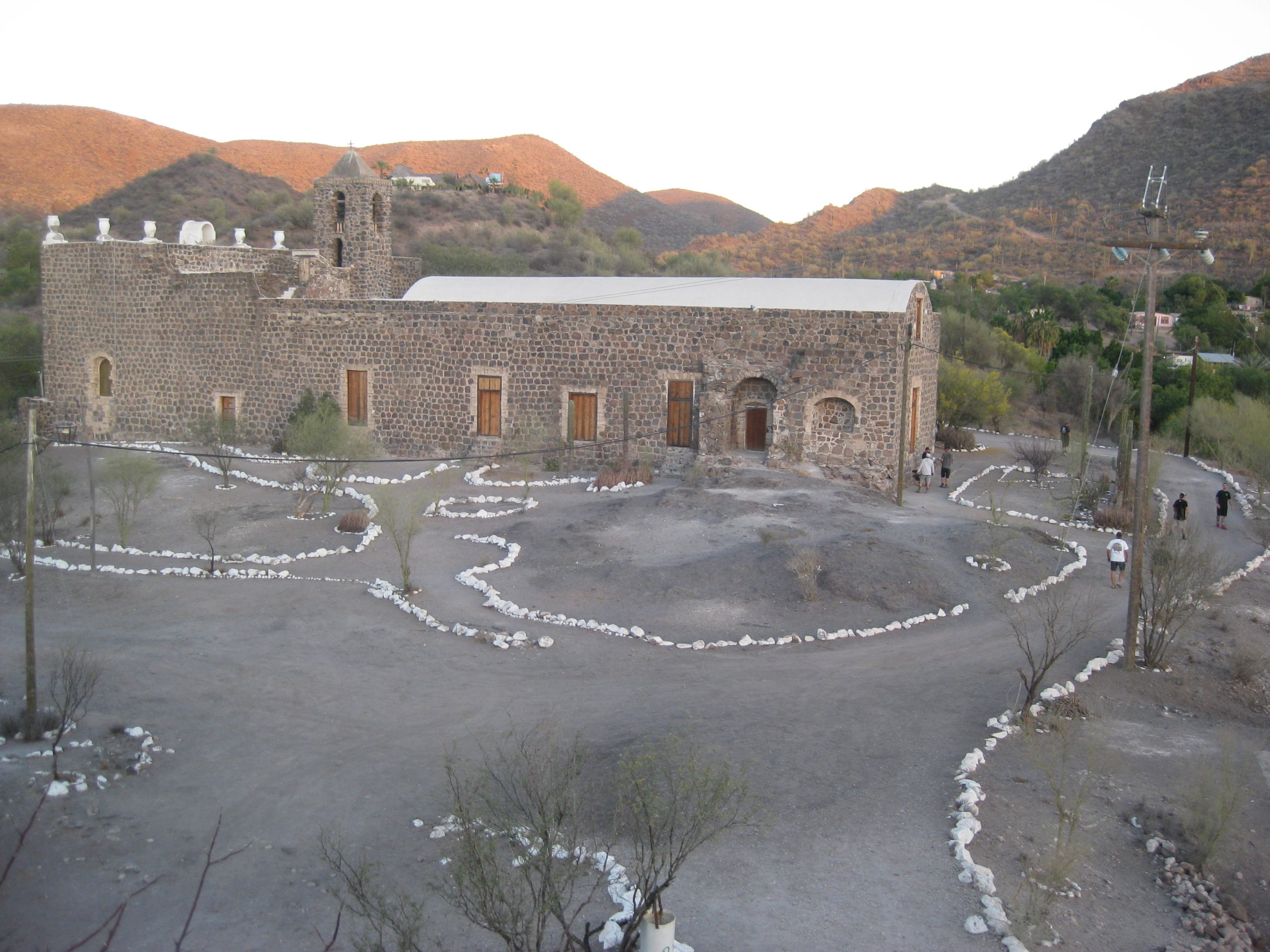
February 2017 photos by David Kier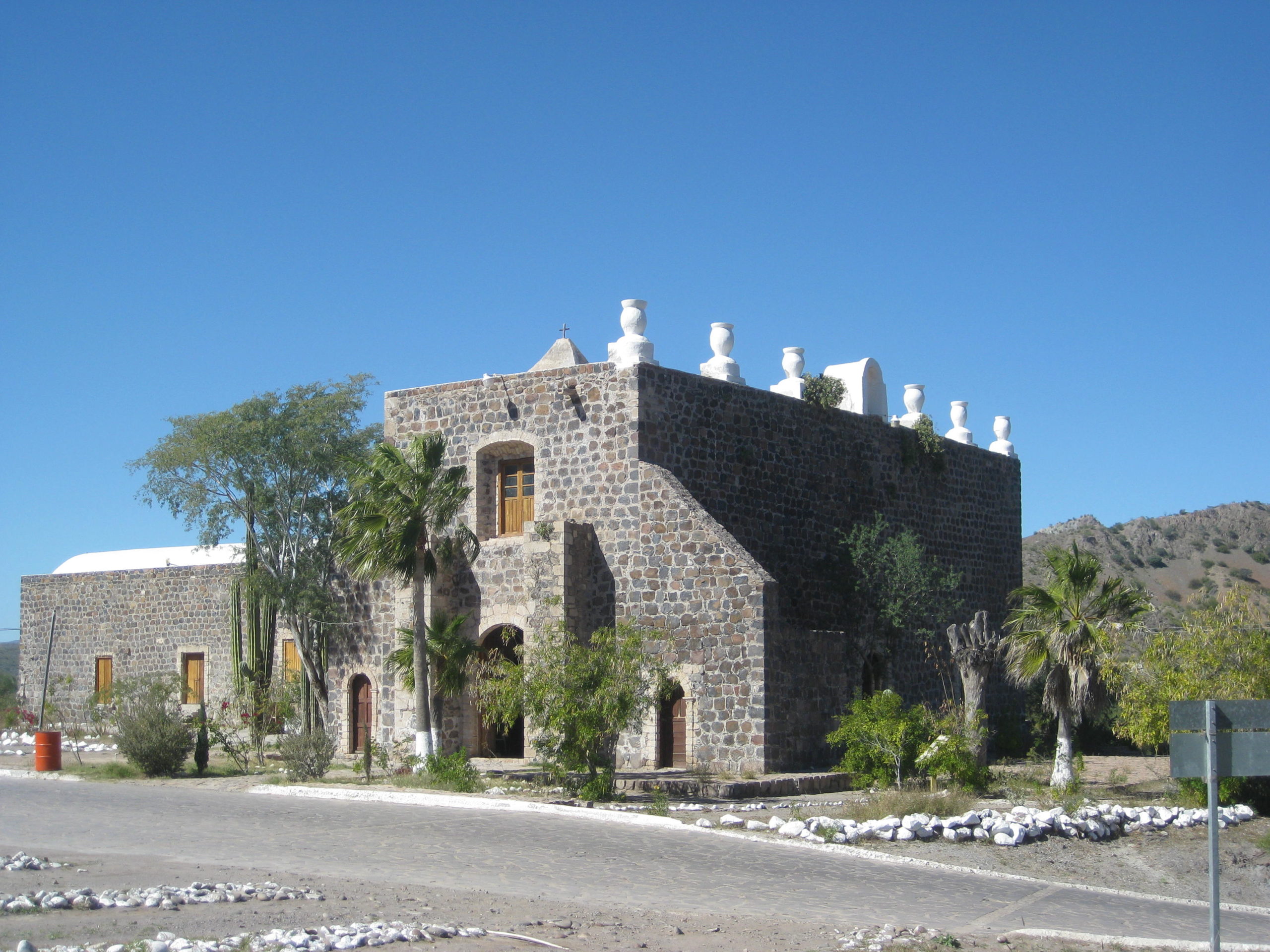
July 2007 photos by David Kier
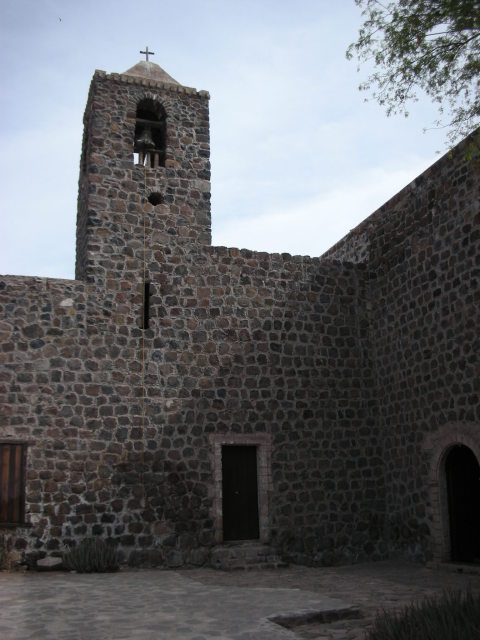
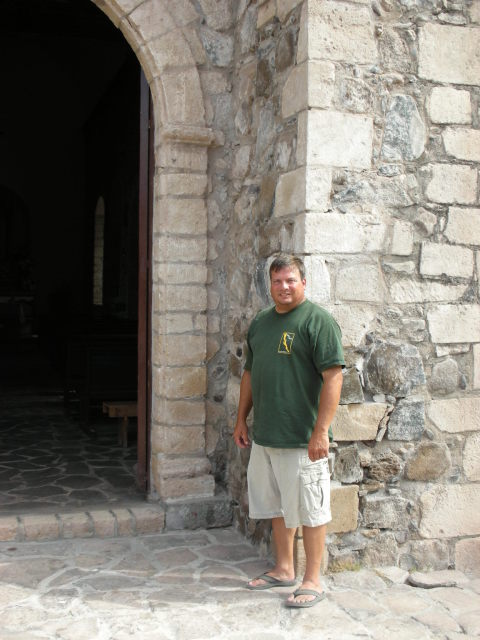
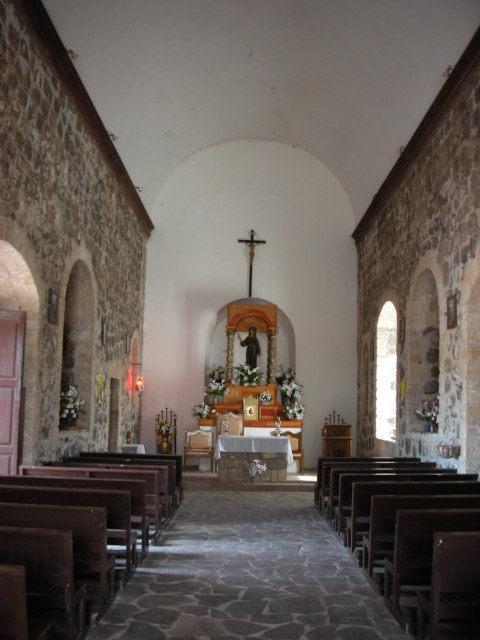
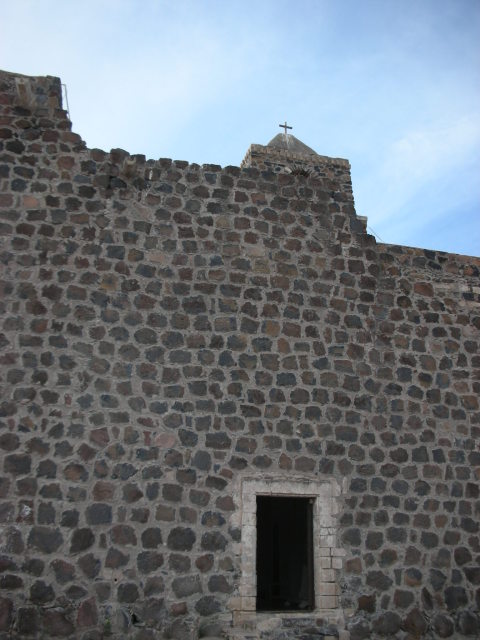
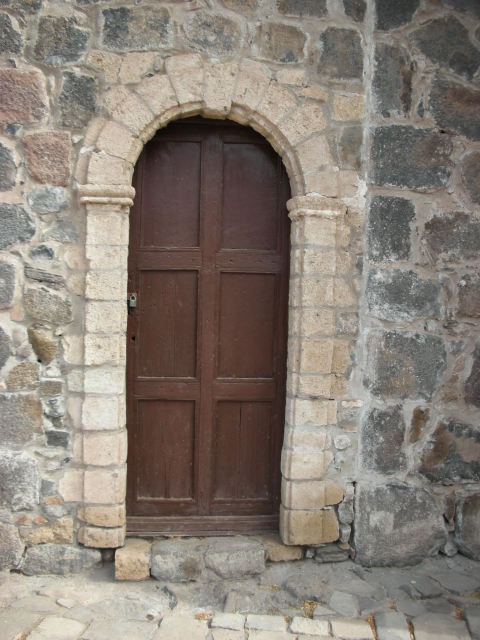
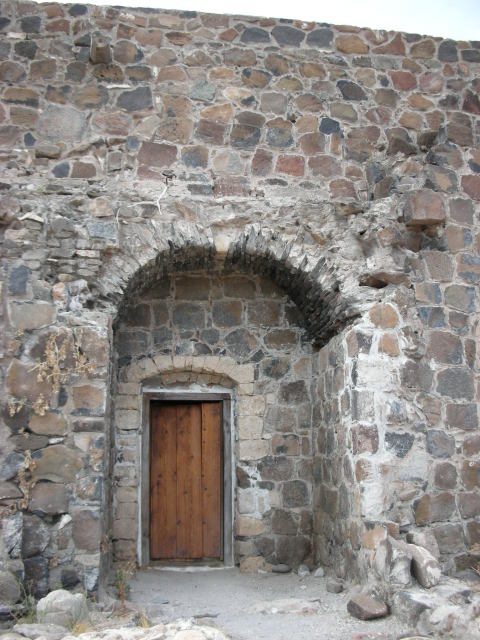
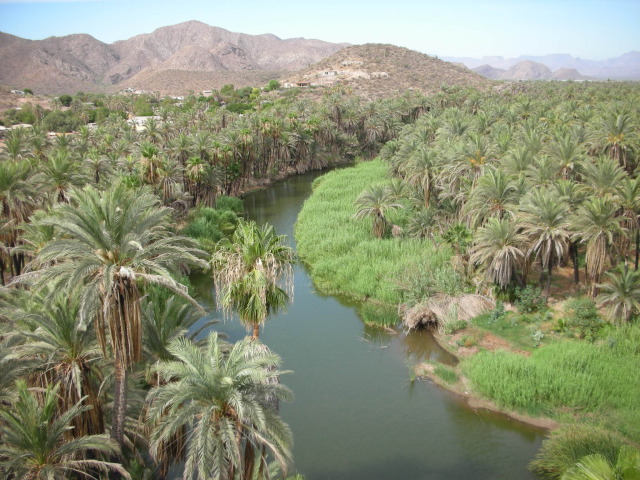
March 2001 photos by Jack Swords
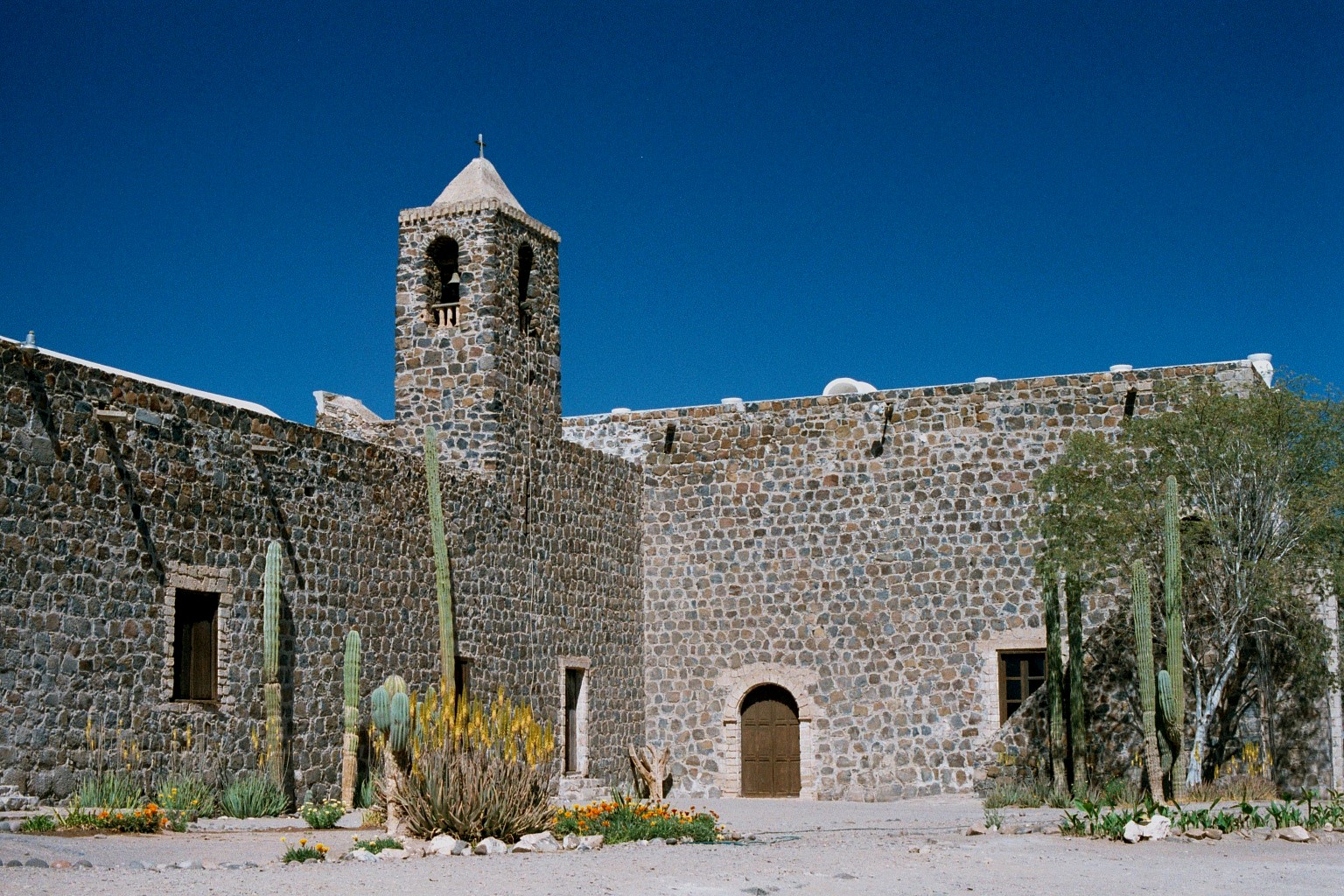
1953 photos by Howard Gulick
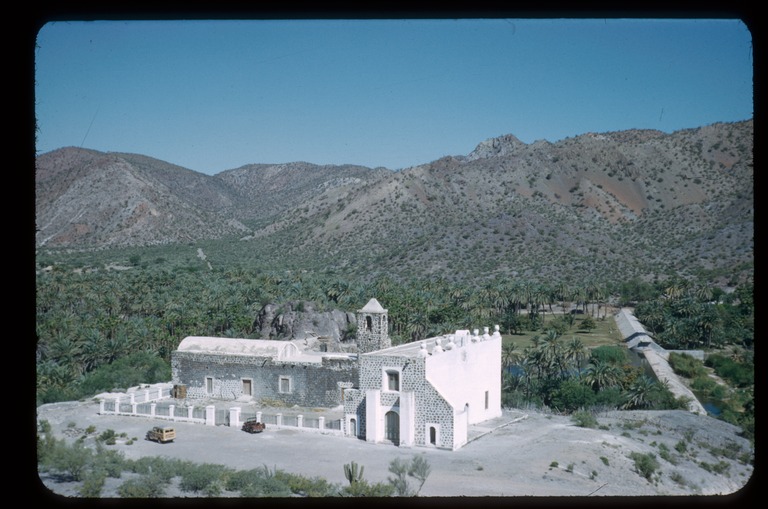
1950 photos by Marquis McDonald
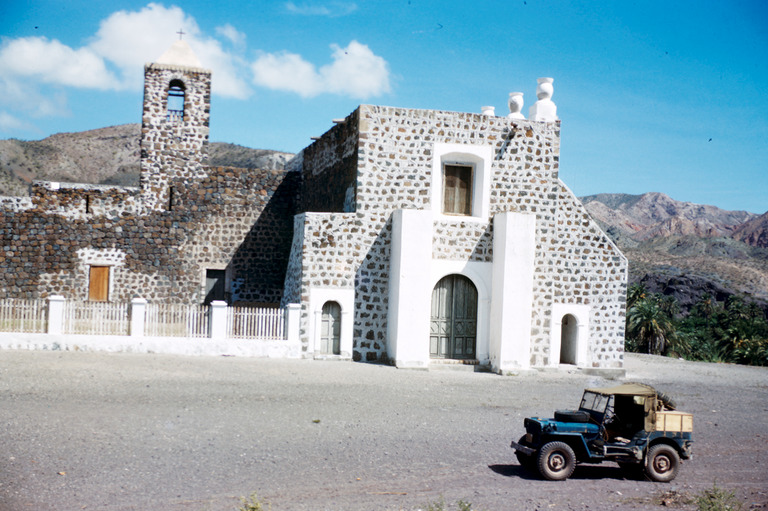
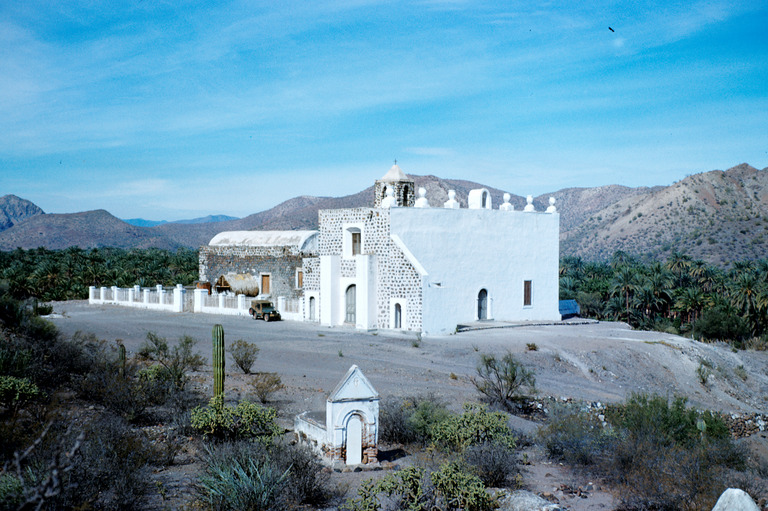
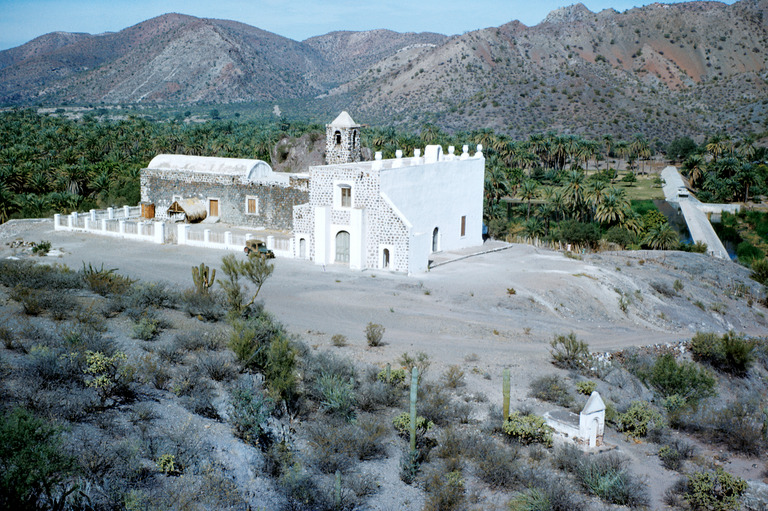
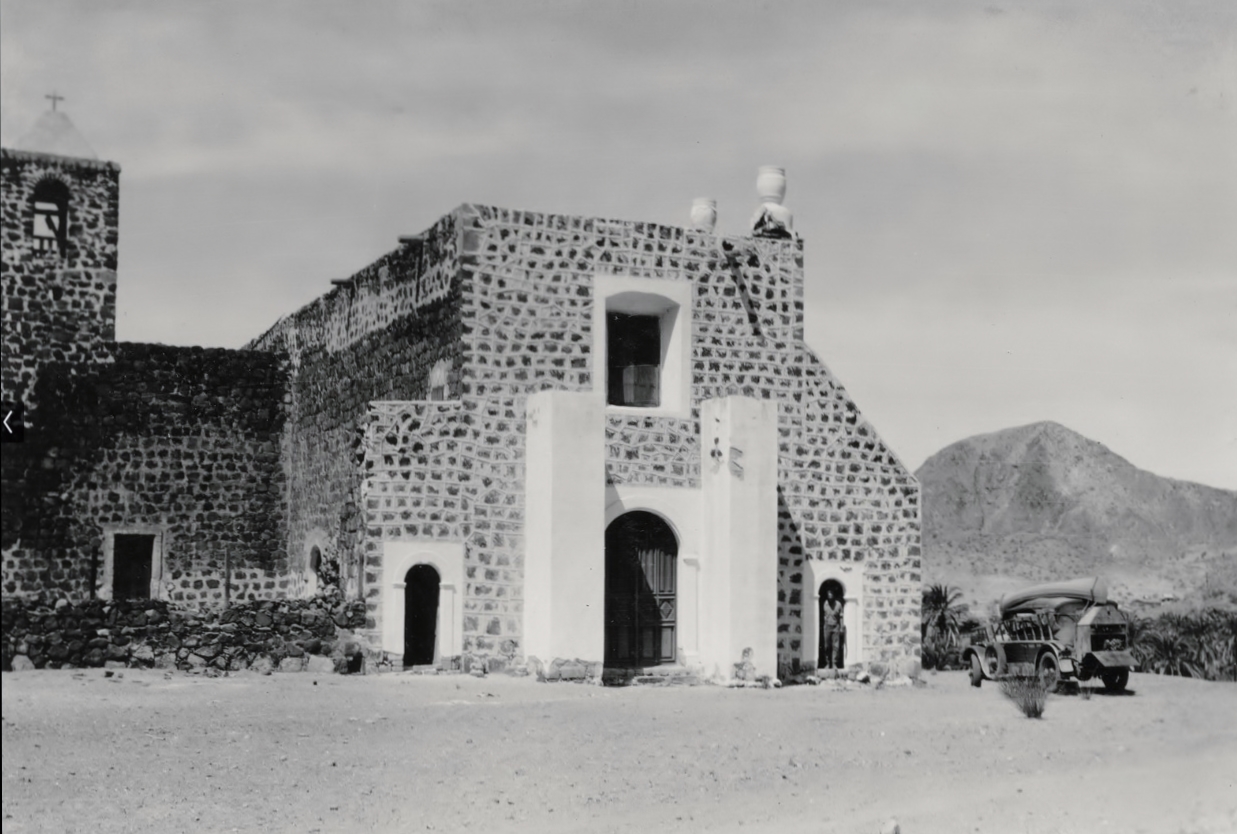
1930 photo by Margaret Wood Bancroft
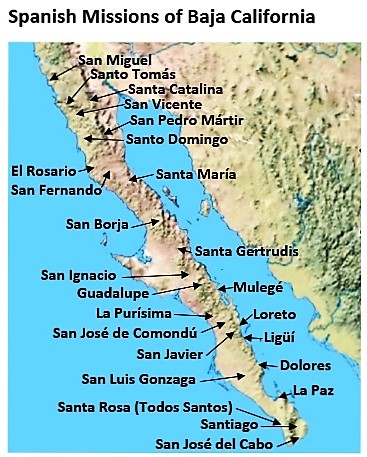
Maps

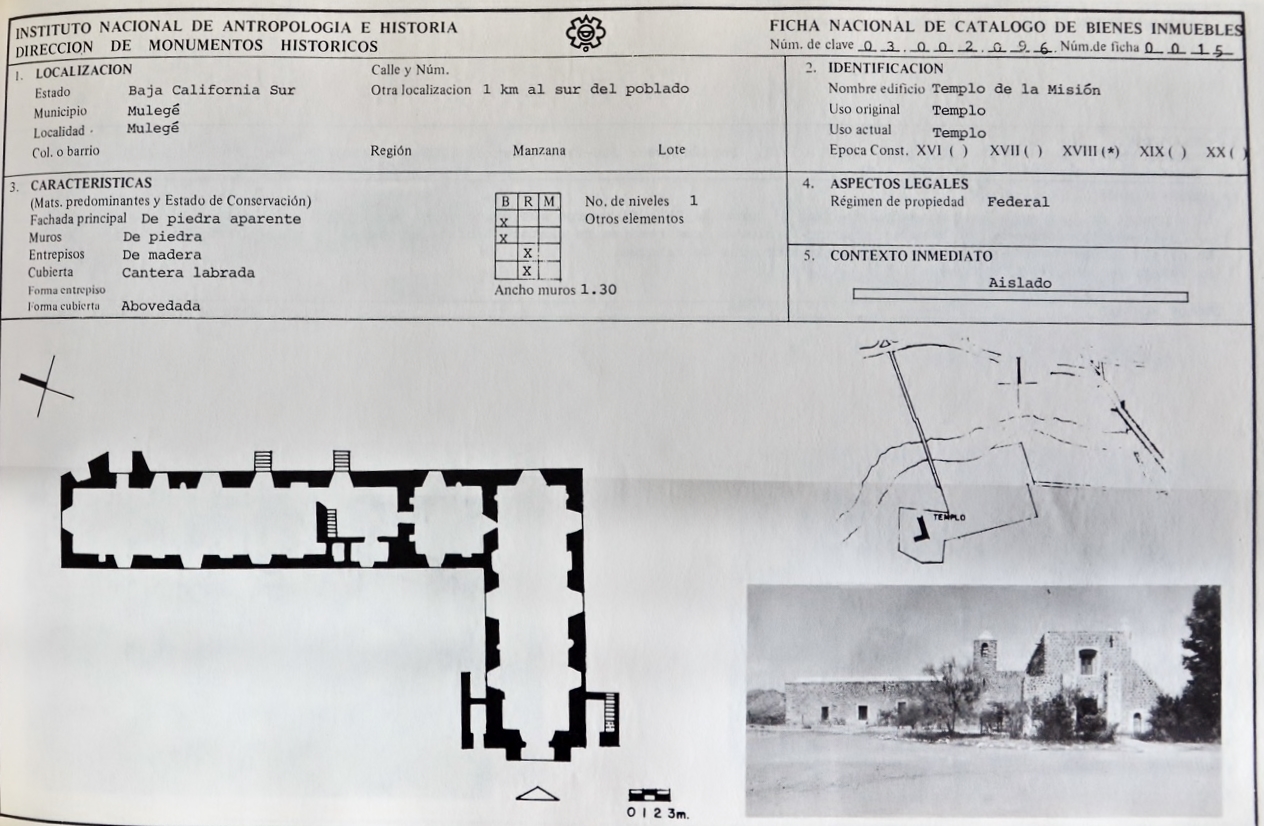
INAH plan
I hope this was interesting or informative for you! Please be welcome to join our Baja California Land of Missions Book Group, on Facebook: HERE
- All the missions, quick look and history, north to south: HERE
- Other mission photo pages plus more Baja California history: HERE
- VivaBaja.com home page

The following chapter is from my book, Baja California Land of Missions Order your own copy from Amazon Books: HERE
#4 Santa Rosalía de Mulegé (1705-1828)
Starting out November 21, 1705 and traveling nearly 100 miles north from Loreto, Padre Manuel de Basaldúa founded the mission of Santa Rosalía at the Cochimí settlement of Mulegé. The mission’s benefactor was Nicolás de Arteaga and his wife Josefa de Vallejo.
Santa Rosalía de Mulegé mission is located on a rare Baja California river, about two miles from the gulf coast. The river proved to be a problem as the mission and its farmlands were nearly destroyed by flash floods in 1717 and again in 1770.
The stone church constructed in 1766 overlooks the river from a high ledge and is safe from floods. This building project occurred less than two years before the Jesuits were expelled from the New World. Spain’s King Carlos III had been convinced that the Jesuits were amassing treasures and not paying the Crown its due. Inventoried when the missions were ceded to the Franciscans, the missions’ true poverty was confirmed, as there were no treasures discovered.
The Franciscans replaced the Jesuits in California in 1768. Padre Francisco Palóu wrote that he considered having this mission moved following a flood in 1770 that destroyed the fields below the mission. A proposed new location was a place called Magdalena.
La Magdalena (or “Santa María Magdalena” in some maps and books, following an error made by Arthur North in his 1910 Camp and Camino in Lower California) is just fifteen miles north of Mulegé. Stone building ruins, an aqueduct, and a reservoir could be seen until recently, but no record of who built it or when it was built is known. Flash floods in 2014 erased most of the Magdalena ruins. An old church ruin is about five miles further to the west, close to the village of San José de Magdalena. It is sometimes referred to as a Dominican mission visita site, but it is more likely to be post-mission period construction.
Even though mission activities ceased in 1828, the church at Mulegé continued to serve the newly arrived Mexican people who replaced the vanishing Indian population. Activities at the mission church continued to be documented through much of the middle to late 1800s. Priests assigned to Mulegé often were placed in charge of the other mission churches of the region (Loreto, Comondú, San Ignacio), as was noted in the Libro de Gobierno (Government Book) of 1873.
The mission is just west of the highway bridge over the Mulegé River. A signed, paved access road to the mission is just south of the bridge.
Missionaries recorded at Mulegé:
Jesuit
Juan Basaldúa 1705-1709
Francisco Píccolo 1709-1718
Nicolás Tamaral 1717
Sebastián Sistiaga 1718-1733
Francisco Osorio 1725
Juan Luyando 1727-1733
Everard Hellen 1731-1732
William Gordon 1733-1734
Pedro Nascimbén 1735-1754
Benno Ducrue 1755
Joaquín Trujillo 1756-1757
Francisco Escalante 1757-1759 and 1760-1768
Julián Salazar 1759-1760
Franciscan
Juan Ignacio Gaston April 5, 1768
Francisco Gómez 1768-1769
Benito Sierra 1769-1773
Pedro Arriguibar 1771
Dominican
Joaquín Valero (to 1800) and Antonio Luésma May 15, 1773
José Naranjo 1783
José Herrera 1783-1794
Miguel Gallégo 1795-1798
Rafaél Arviña 1796-1797
Domingo Timón 1798-1800
Vicente Belda 1802-1805
José Portela 1812
Tomás de Ahumada 1815-1821
See the other mission pages: https://vivabaja.com/mission-albums/